
Trees
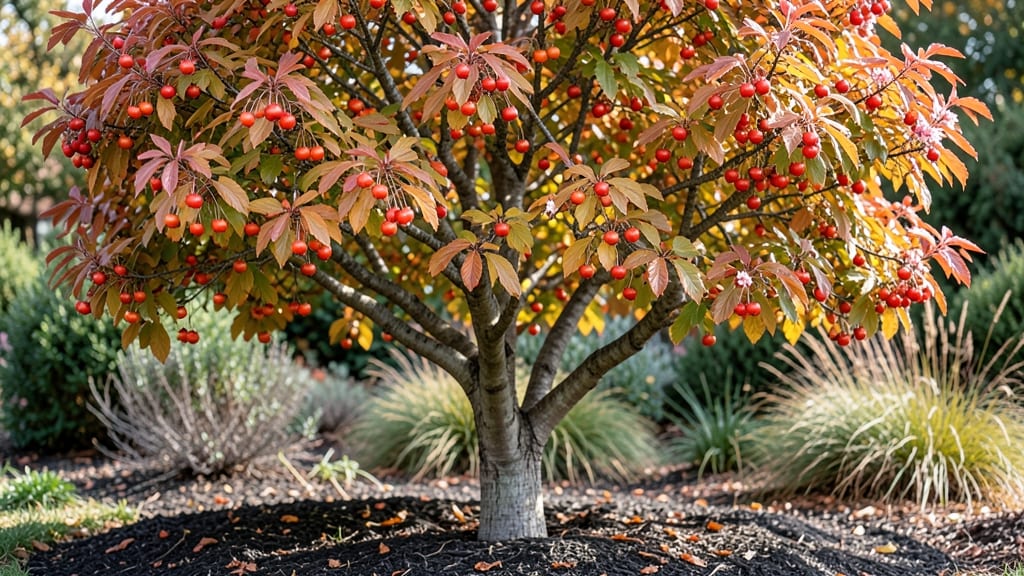
Autumn cherry tree fruit ripens in late summer to early fall, transitioning from green to deep red or yellow hues. Harvest when fully colored and slightly soft to the touch, typically 6-8 weeks after flowering, for optimal sweetness and texture. Avoid overripe fruit, which may be mealy or fermented.
Timing your harvest is everything when it comes to autumn cherries. 🌿 The fruit's color change—from vibrant green to rich red or golden yellow—is your first visual cue, but don't rely on color alone.
The real test is gently pressing the cherry; it should yield slightly under pressure, indicating peak ripeness. Different varieties and regional climates can shift this window by a week or two, so I always check for seed development too.
Fully ripe cherries will have plump, dark seeds visible when cut open, while underripe ones remain hard and pale.
What makes autumn cherries unique is their delicate balance of sweetness and tartness. 🍒 Harvesting too early means you'll miss out on that perfect flavor, while waiting too long risks mealy texture or even fermentation.
I recommend picking on a dry morning after the dew has dried—this helps preserve the fruit's quality longer. Once harvested, store them in a single layer in the fridge for up to a week, or freeze them for longer-term use in jams, pies, or fresh eating.
💡 In This Article
- Identifying Autumn Cherry Tree Ripening Stages
- Best Harvesting Techniques for Autumn Cherries
Identifying autumn cherry tree ripening stages
The ripening process of autumn cherries is a fascinating blend of biology and visual cues. As summer transitions to fall, these cherries undergo a dramatic color transformation triggered by changing daylight hours and cooler temperatures.
The chlorophyll breaks down first, revealing the underlying pigments—anthocyanins for red varieties and carotenoids for yellow types. This shift typically begins in late August but can extend into October depending on your region's climate zone.
Beyond color, pay attention to the fruit's texture and stem attachment. A ripe autumn cherry will feel slightly yielding when gently pressed between your thumb and forefinger—almost like pressing a ripe peach.
The stem should also separate cleanly from the branch with just a slight twist, a sign the fruit has fully matured.
Internally, the seeds will have darkened completely, indicating peak sweetness. 🔥 What most people overlook is that some varieties develop a subtle aroma when fully ripe, similar to a cross between apricot and almond.
Climate plays a crucial role in ripening timing. Trees in cooler northern regions may take up to 10-14 days longer to reach full ripeness compared to those in warmer southern climates. Varieties like 'Stella' ripen earlier (late August), while 'Schneiders' often hold out until mid-October.
The key is monitoring these visual cues rather than relying on calendar dates—this ensures you capture the fruit at its sweetest, most flavorful stage.
Temperature fluctuations can also affect ripening. A sudden cold snap can halt the process temporarily, while consistent warm days accelerate it. This is why I always check cherries in batches—some branches may ripen days before others on the same tree.
The ideal harvest window is when 90% of cherries on a branch show these ripening signs, as the remaining few will follow quickly.
One advanced technique I've learned is the "float test" for determining ripeness. Drop a few cherries in a bowl of water—ripe ones will sink immediately due to their higher sugar content, while underripe ones may float briefly.
This works especially well for yellow varieties where color changes can be more subtle. 💫 For red cherries, look for a deep, even color without any green patches or white streaks near the stem.
What's remarkable about autumn cherries is how their sugar content peaks at exactly this stage. The fruit converts starches to sugars during ripening, with some varieties reaching 12-15% sugar concentration at full maturity.
This is why the flavor profile shifts from tart to sweet—something you can actually taste when you press a ripe cherry against your palate before picking.