
Trees
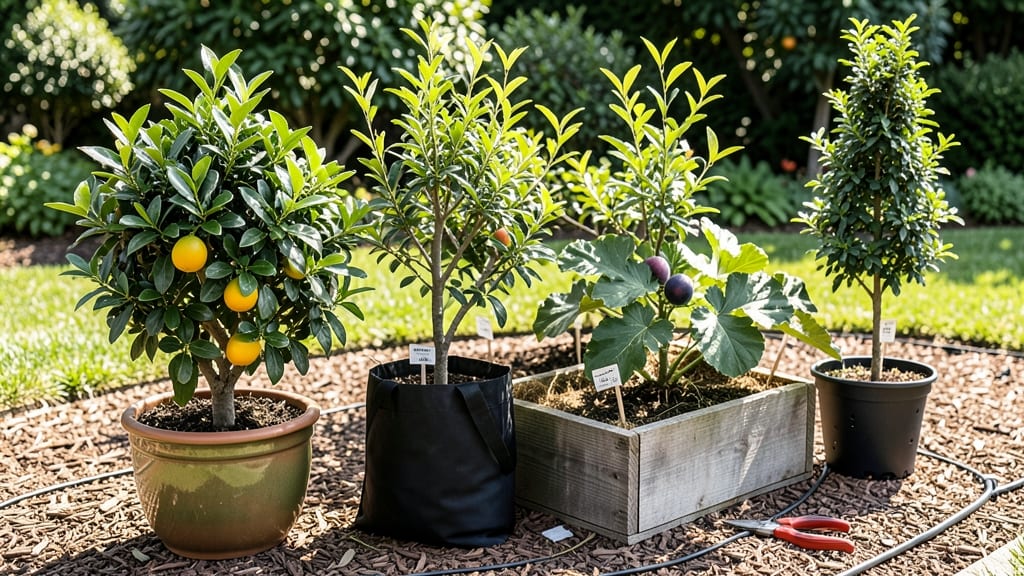
Ultra dwarf fruit trees let you grow sweet apples, peaches, and plums in pots or tight spaces. 🌳 I planted my first one last spring and harvested 12 peaches from a 5-gallon container—proof that small size doesn’t mean small harvests.
These trees mature in just 2-3 years, so you’re eating homegrown fruit sooner than you’d expect with full-size varieties.
The secret to their success is matching the right variety to your climate and container size. Most need full sun (6+ hours daily) and well-draining soil mixed with compost.
Water deeply when the top inch feels dry, but avoid soggy roots—these trees hate wet feet. Prune lightly after harvest to shape them and encourage next year’s fruit.
You’ll end up with fruit that’s often sweeter and more flavorful than store-bought, plus the joy of watching branches bend under ripe produce. My neighbors still ask how I fit a tree in that tiny pot—until they taste the fruit.
The best part? These trees live for decades with proper care, giving you years of harvests in minimal space.
Whether you’re urban gardening on a balcony or just want easier maintenance, ultra dwarf trees deliver big rewards with minimal effort. Here’s how to pick the perfect variety for your space and climate—no yard required.
📚 In This Guide
- What you need
- Instructions
- Tips and common mistakes
- Wrapping up and next steps
What you need
- ● Ultra dwarf fruit tree(s): Choose 1-3 trees (e.g., apple, peach, or citrus) depending on your space and goals.
- ● 5-gallon or larger containers: Minimum 18 inches deep with drainage holes (1-2 per tree).
- ● High-quality potting mix: Well-draining, organic blend (avoid garden soil).
- ● Slow-release fertilizer: Balanced 10-10-10 or citrus-specific (follow package rates).
- ● Watering can or hose with gentle spray: 1-2 gallons per watering (adjust for climate).
- ● Pruning shears: Sharp, sterilized (for shaping and maintenance).
- ○ Support stakes or trellis: Optional but helpful for windy areas.
- ● Gloves: Protect your hands from thorns or sap.
- ○ Mulch (optional): Wood chips or straw to retain moisture.
- ● pH testing kit: Ensure soil pH matches your tree’s needs (e.g., 6.0–7.0 for citrus).
- ○ Drip irrigation system (optional): Automates watering for consistent care.
- ○ Fruit tree spray (optional): Organic or chemical for pest control.
How to plant and care for ultra dwarf fruit trees
Here’s how I’ve successfully grown these compact trees in small spaces—with minimal fuss and maximum harvests.
🌱 Step 1: Choose the Right Variety and Location
Ultra dwarf fruit trees are bred to stay under 4 feet tall, but even they need proper placement. I always pick varieties like ‘Patio’ peaches, ‘Columnar’ apples, or ‘Mini’ citrus—these stay manageable while producing real fruit. Check your USDA hardiness zone to ensure your chosen tree thrives in your climate.
Position your tree in full sun (at least 6-8 hours daily) and protect it from strong winds. If you’re planting in a container, choose a pot 12-18 inches wider than the root ball—this gives roots room to spread without crowding. I use a 5-gallon container for my first year, then upgrade to 15 gallons as the tree matures.
🪴 Step 2: Plant at the Correct Depth and Water Thoroughly
Dig a hole twice as wide as the root ball but no deeper—planting too low can suffocate roots. Gently loosen the roots if they’re circling the pot, then place the tree so the graft union (the bump where the tree was grafted) sits 1-2 inches above soil level. This prevents rot and ensures strong regrowth.
Backfill with native soil mixed with compost (I use about 1 part compost to 3 parts soil). Water deeply until the soil is saturated 6 inches down—you’ll know it’s right when water pools on the surface but doesn’t run off. Mulch with 2-3 inches of organic mulch (like wood chips) to retain moisture and keep roots cool.
☀️ Step 3: Provide Consistent Care for First-Year Growth
Ultra dwarf trees need regular watering—about 1 gallon per week in warm weather, more if your area is dry. Let the top 2 inches of soil dry out between waterings to prevent root rot. I water in the early morning so leaves dry quickly, reducing fungal risks.
Fertilize lightly in spring and early summer with a balanced fruit-tree fertilizer (10-10-10 or similar). Over-fertilizing causes weak growth, so follow package rates—usually ½ teaspoon per gallon of soil. Prune only to remove dead branches or crossing limbs in the first year; avoid heavy pruning until the tree is established.
✂️ Step 4: Prune for Shape and Fruit Production
Start pruning in late winter or early spring before new growth begins. Remove any dead, diseased, or crossing branches first—these compete with healthy growth. Then, thin out 10-20% of the canopy to improve airflow and sunlight penetration. I aim for an open-center shape, which makes fruit easier to pick.
Watch for suckers (shoots growing below the graft union)—remove these immediately to maintain the dwarf variety. After flowering, thin out some fruit clusters to 6-8 inches apart so remaining fruits grow larger. This step is key for ultra dwarfs, as overloading branches can break them.
🍎 Step 5: Harvest and Overwinter for Next Year
Harvest when fruit is fully colored and slightly soft to touch—this varies by variety. Pick in the morning after dew dries to preserve flavor and texture. Store ripe fruit in the fridge for 1-2 weeks, or process into jams, dried fruit, or preserves while fresh.
Before winter, reduce watering and stop fertilizing. Wrap the trunk and container (if applicable) with burlap or frost cloth to protect from temperature swings. If you’re in a cold zone, move potted trees to a garage or sheltered spot where temps stay above 20°F. In spring, prune again to remove winter damage before new growth starts.
Tips & tricks for growing compact fruit trees
Here’s what I’ve learned from years of growing these space-saving trees—simple tricks that make all the difference between a struggling plant and a thriving harvest.
Variety Selection Matters: When choosing your ultra dwarf variety, consider your climate and fruit preferences. ‘Patio’ peaches thrive in warm zones, while ‘Columnar’ apples handle cooler climates better. I’ve found that citrus varieties like ‘Mini’ Meyer lemons do best in containers with southern exposure. The right variety for your zone means less fuss and more fruit—trust me, I’ve tried the wrong ones!
Container Upgrade Strategy: That 5-gallon container you start with? It’s just temporary. Plan to upgrade to 15 gallons within 2-3 years as roots expand. I use self-watering containers with drainage holes to prevent overwatering—these keep soil moisture consistent without the guesswork. If you’re in a windy area, add weights or anchor the pot to prevent tipping during storms.
Watering Wisdom: The 1-gallon-per-week guideline works for average conditions, but adjust based on your climate. In hot summers, I water twice weekly and check soil moisture daily—stick your finger 2 inches down; if it’s dry, it’s time. For container trees, water until it runs out the drainage holes, then let excess drain completely. Overwatering is the #1 killer of dwarf fruit trees, so don’t skip this step.
Pruning Pro Tips: When you’re thinning those fruit clusters to 6-8 inches apart in Step 4, focus on the largest, healthiest fruits first. I use clean, sharp pruners and make cuts just above a leaf node to encourage new growth. For winter pruning, remove any branches that died back during cold snaps—these won’t produce fruit and just take energy from the tree. A little strategic pruning now means bigger, better fruit next season.
Pro Tips for Ultra Dwarf Fruit Trees
- Here’s what I’ve learned from years of growing these space-saving trees—simple tricks that make all the difference be...
- Variety Selection Matters: When choosing your ultra dwarf variety, consider your climate and fruit preferences. ‘Pati...
- Container Upgrade Strategy: That 5-gallon container you start with? It’s just temporary. Plan to upgrade to 15 gallon...
Frequently asked questions
Got questions about ultra dwarf fruit trees?
You’re not alone! Here are answers to the most common concerns—from planting to harvest—so you can dive in with confidence.
How much space do ultra dwarf fruit trees really need?
These space-savers thrive in containers as small as 15-gallon pots or just 3–5 feet of in-ground space. Perfect for patios, balconies, or small yards! Just ensure they get 6+ hours of sunlight daily and well-draining soil. Pro tip: Use dwarf varieties like Columnar Apple or Patio Pear for even tighter fits.
When is the best time to plant ultra dwarf fruit trees?
Plant in early spring (after last frost) or fall (4–6 weeks before frost). Avoid extreme heat or cold—roots need time to establish. If buying bare-root trees, soak roots for 1–2 hours before planting. Container-grown trees can plant year-round in mild climates!
Do ultra dwarf trees produce as much fruit as standard varieties?
Yes! While yields are smaller (think 10–50 lbs per tree vs. 100+ lbs for full-size trees), they’re highly productive for their size. Choose self-pollinating varieties (like Dwarf Honeycrisp Apple) or plant two compatible trees nearby. Prune regularly to encourage fruit production and airflow.
What’s the biggest mistake beginners make with dwarf fruit trees?
Overwatering or under-pruning! Dwarf trees need consistent moisture but well-draining soil—water deeply 1–2x/week (adjust for climate). Skip heavy pruning in their first year; focus on removing dead wood and shaping in late winter. Mulch around the base to retain moisture and regulate temperature.
Can I grow ultra dwarf fruit trees in pots long-term?
Just upgrade pots every 2–3 years (aim for 1–2 gallons of soil per year of tree age). Use fast-draining mix (50% potting soil, 30% compost, 20% perlite) and fertilize monthly during growing season. Rotate pots yearly for even growth.
How do I protect my dwarf fruit tree from pests?
Dwarf trees are less pest-prone but can attract aphids, mites, or fruit flies. Prevent issues with:
- Neem oil spray (organic, safe for bees)
- Row covers for young trees
- Regular inspections (check undersides of leaves)
Wrapping up and next steps
Ultra dwarf fruit trees are a game-changer for small spaces, offering delicious, homegrown harvests without the bulk. Whether you’re a city dweller with a balcony or a suburban gardener with limited yard space, these compact varieties make fresh fruit easily attainable—and the rewards are sweet! 🍓🍊
Ready to dive in? Start by choosing your favorite variety, gathering your supplies, and planting with confidence. Before you know it, you’ll be enjoying your own homegrown bounty—no orchard required!