
Vegetables
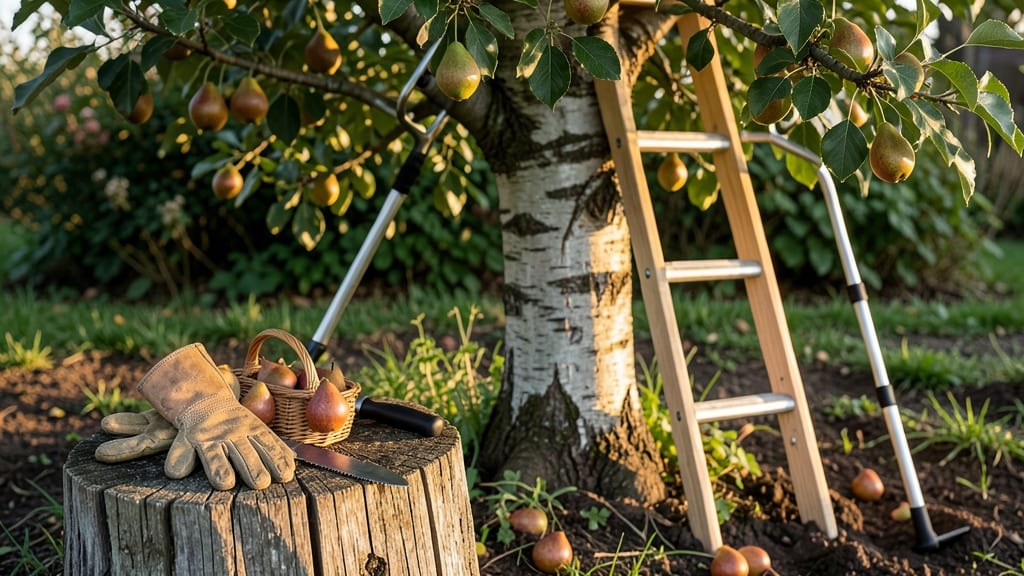
Brown pears fruit develop a rich, caramelized sweetness when fully ripe, with a firm yet tender texture perfect for baking or fresh eating. Check for slight give at the stem and a fragrant aroma to determine peak ripeness.
When brown pears reach their peak ripeness, their sugar content naturally intensifies through a process called starch-to-sugar conversion, triggered by ethylene gas. 🍐 This biochemical transformation creates that signature caramelized flavor, making them ideal for both dessert and savory dishes.
I've noticed that pears ripened at room temperature develop deeper sweetness than those stored in the fridge too soon—temperature plays a surprisingly big role in flavor development.
For the best results, I recommend using ripe brown pears within 3-5 days of reaching peak ripeness. Their texture becomes perfect for baking—think of the tender crumb in a pear galette or the silky texture when poached.
If you've ever struggled with overly firm pears, try placing them in a paper bag with an apple for 24 hours—the ethylene gas will speed up ripening naturally.
💡 In This Article
- Why Do Brown Pears Turn Sweet and How to Test Ripeness
- Top 5 Cooking and Storage Uses for Brown Pears
Why do brown pears turn sweet and how to test ripeness
The sweetness in brown pears comes from a natural biochemical process called starch-to-sugar conversion. As pears ripen, enzymes like amylase break down complex starches into simpler sugars (glucose and fructose), which intensify the fruit's flavor.
This transformation is most active at 68-77°F, the ideal temperature range for ripening. 🌟 Sunlight exposure also plays a role—pears grown in full sun develop higher sugar content than those in shade, thanks to increased photosynthesis.
Ethylene gas is the key regulator of this process. When pears produce ethylene (especially as they near ripeness), it triggers the starch breakdown and softening of the fruit's cell walls. You can harness this naturally by storing pears with ethylene-producing fruits like apples or bananas.
A simple test for ripeness is the stem test: gently press near the stem—if it gives slightly but doesn't feel mushy, the pear is ready to eat or cook.
The aroma is another telltale sign. Ripe brown pears emit a sweet, floral scent at the stem end, similar to ripe apples but with a honey-like undertone. This fragrance comes from volatile compounds released during ripening, which peak when sugar content reaches 12-15% of the fruit's weight.
For comparison, a green pear might have only 8-10% sugar—that's why ripe pears taste dramatically sweeter.
Temperature matters beyond just ripening speed. Pears stored below 32°F can develop chilling injury, where their cells break down unevenly, leading to mealy texture. Keep them at 32-40°F for storage, but bring them to room temperature 24 hours before eating to let their flavors fully develop.
This pre-ripening step enhances the natural caramelization that makes brown pears so beloved in desserts.
What most people don't realize is that pears continue to ripen even after being cut. Once sliced, their cells release more ethylene, accelerating sugar conversion. That's why poached pears taste sweeter after sitting for 30 minutes—the sugars have had time to redistribute.
For the best texture in baking, use pears that are firm but yielding—they'll hold their shape during cooking while developing that signature melt-in-your-mouth quality.
Here's a pro tip: If your pears feel too firm, place them in a paper bag with an apple for 24-48 hours. The apple's ethylene gas will jumpstart the ripening process without over-softening the fruit.
This method works because ethylene triggers the production of more ethylene—a positive feedback loop that speeds up sugar development. 🔥
The perfect ripe brown pear should have a golden-brown skin (not green) and a texture that yields slightly when pressed but doesn't feel mushy. At this stage, their sugar content is at its peak—ideal for both fresh eating and culinary uses where that natural sweetness shines.