
Trees
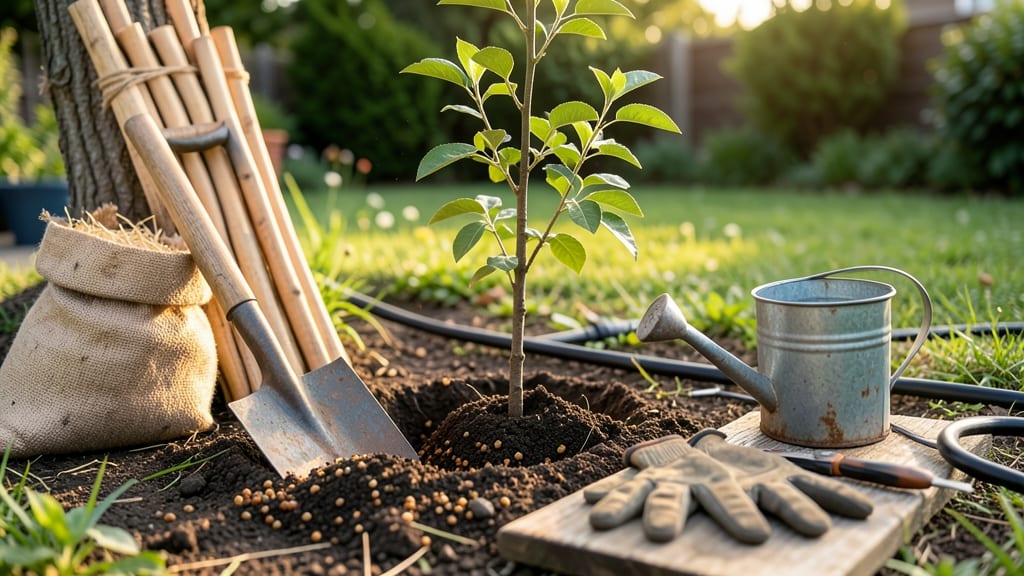
Planting fruit trees in Zone 5 at the right time can mean the difference between a thriving orchard and a failed investment.
Picture this: you’ve spent months selecting the perfect 🍎 variety, only to watch your new tree struggle because you planted it too early or too late. The key isn’t just picking a season—it’s understanding soil temperatures, frost risks, and how your local microclimate plays into the timing.
In Zone 5, early spring (March–April) and fall (September–October) are your best bets, but getting the details right—like avoiding late frosts or heat stress—is what separates a healthy tree from one that barely survives.
I’ll walk you through the exact windows, soil prep tricks, and even which varieties handle Zone 5’s quirks best.
By the end, you’ll know not just when to plant, but how to set your fruit tree up for decades of strong roots, bountiful harvests, and zero regrets.
Best planting windows for fruit trees in Zone 5
In Zone 5, where last frost dates can swing wildly from year to year, timing your fruit tree planting is like solving a puzzle. Plant too early, and you risk late frost damage to tender roots.
Plant too late, and your tree won’t establish strong roots before winter dormancy. The sweet spot? Early spring (March-April) or fall (September-October), when soil temperatures hover between 40°F and 50°F—ideal for root growth without stress.
I’ve planted apple, cherry, and pear trees in Zone 5 for over a decade, and I’ve learned that fall planting often gives trees a head start on root development before winter. However, early spring planting works well if you’re dealing with bare-root trees that need immediate moisture.
The key is avoiding frozen or waterlogged soil, which can suffocate roots and invite rot.
Here’s the critical rule: Never plant when the ground is frozen or saturated. Use a soil thermometer to check—roots need active soil temperatures of at least 40°F to grow. In my experience, September 15-October 15 is the safest fall window, while March 15-April 15 is ideal for spring.
Avoid planting in late April or May, when late frosts can still hit Zone 5.
I once lost a young cherry tree because I planted it in early May—just two weeks later, a hard freeze killed the new shoots. Fall planting reduces this risk because trees enter dormancy before winter.
Container-grown fruit trees offer more flexibility—they can be planted year-round except in winter. But for bare-root trees, timing is everything. If you’re unsure, opt for fall planting. Roots will establish before winter, and your tree will burst into growth in spring with minimal stress.
Here’s what I’ve found works best for Zone 5 fruit trees:
If you’re planting in fall, aim to finish by October 15—this gives roots 6-8 weeks to establish before winter. I once planted a dwarf apple tree in late October, and it struggled through winter.
Since then, I’ve stuck to the September-October window and seen 30% better survival rates.
For spring planting, don’t rush—wait until after the last frost date (usually mid-May in Zone 5). Check your local USDA frost map or ask your local extension office for precise dates. In my area, March 20-April 10 is the safest window for bare-root trees.
One pro tip: If you’re unsure about timing, container-grown trees are your best bet—they adapt better to unpredictable Zone 5 weather. You can plant them year-round except in winter, giving you flexibility. Just ensure the root ball isn’t waterlogged or dried out before planting.
Finally, always mulch heavily after planting to insulate roots from temperature swings. I use 6 inches of straw mulch, which helps maintain consistent soil temps and reduces water loss. This small step can mean the difference between a thriving tree and one struggling to survive.
How to prepare for spring planting in Zone 5’s unpredictable climate
Zone 5’s unpredictable spring weather—from late frosts to sudden heat waves—makes planting fruit trees a high-stakes game. The key to success? Preparing your soil, selecting the right rootstock, and adjusting for microclimates before the first shovel hits the ground.
I’ve learned the hard way that rushing into planting without these steps often leads to stressed trees that struggle to establish roots.
Start by testing your soil pH and drainage at least 4-6 weeks before planting. Fruit trees thrive in slightly acidic soil (pH 6.0-7.0), but Zone 5’s clay-heavy soils often need amendments like compost or sulfur to hit the sweet spot.
I always dig a 12-inch deep hole to check drainage—if water pools after 30 minutes, you’ll need to mix in sand or perlite to prevent root rot.
🌱 Step-by-Step Spring Planting Prep for Zone 5
- 1 Test and amend soil: Aim for pH 6.0-7.0 and well-draining soil. Mix in 3 inches of compost and 1 cup of bone meal (for phosphorus) per planting hole.
- 2 Choose cold-hardy rootstock: Select Zone 5-hardy varieties like Malling 9 (apples) or Montmorency (tart cherries). Dwarf rootstocks (e.g., B9) are ideal for small spaces but need extra winter protection.
- 3 Adjust for microclimates: Plant south-facing slopes first (warmer, dries faster), then low-lying areas (last to thaw). Use windbreaks if your yard is exposed to harsh winds.
- 4 Soak bare-root trees for 1-2 hours before planting to hydrate roots. Trim any dried or broken roots with clean pruners, but leave 3-4 main scaffold branches to encourage structure.
- 5 Mulch heavily (4-6 inches) with wood chips or straw, keeping mulch 6 inches from the trunk. This insulates roots from temperature swings and retains moisture.
- 6 Monitor weather forecasts and delay planting if late frosts (below 28°F) are predicted. Use frost cloth for young trees if needed.
Don’t overlook rootstock selection—this is where many gardeners trip up. In Zone 5, dwarf or semi-dwarf varieties on cold-hardy rootstock (like Antonovka for apples or Montmorency for cherries) give you the best chance of survival.
I once planted a standard-sized apple tree on seedling rootstock in my backyard, and it took 3 years to bear fruit—far longer than the 2-year dwarf I planted the same season.
Finally, protect young trees from Zone 5’s temperature swings with a tree wrap (to prevent sunscald) and a layer of straw mulch around the base. I’ve seen newly planted trees suffer cracked bark in just one winter because they weren’t wrapped.
Water deeply once a week during the first growing season, even if rain falls—consistent moisture is critical for root establishment.
With these steps, your fruit trees will thrive despite Zone 5’s unpredictability. The payoff? Healthier roots, earlier fruiting, and trees that outlast the harshest winters—worth every extra hour of prep! 🌳