
How To
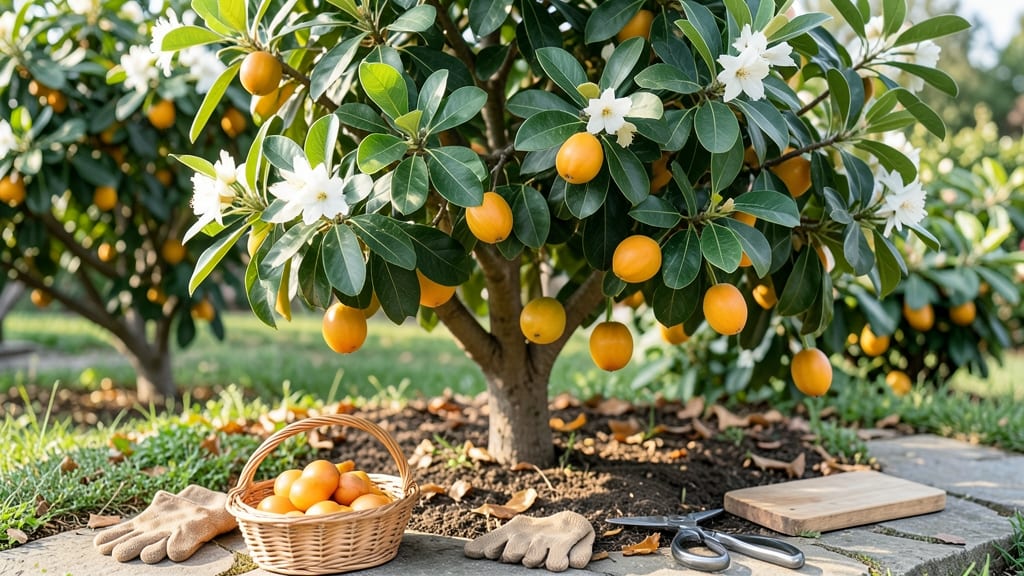
You’ll know when to pick loquat fruit 🍈 when the skin turns from green to a rich yellow-orange and yields slightly under gentle pressure—miss this window, and you’ll end up with mealy, underripe fruit or overly soft, mushy ones.
Loquat trees reward patience with sweet, fragrant fruit—but picking too early or too late ruins the harvest. Timing is everything, and these subtle cues will help you know exactly when to pluck your loquats for peak flavor and texture.
In USDA Zones 8-10, where loquats thrive, harvest typically runs from late winter to early spring (February to April), but climate shifts can push that window earlier or later. Below, I’ll break down the visual, tactile, and scent-based signals that reveal the perfect moment.
You’ll also learn how to store your harvest to keep it fresh longer and avoid common mistakes that turn a bountiful crop into a disappointment. Let’s get started.

How to determine loquat ripeness by color and size
Loquats are tricky to time—unlike many fruits, they don’t ripen well after picking. Your best bet is to watch for color shifts and size benchmarks that signal peak ripeness. Start by comparing your fruit to these visual milestones, which vary slightly by variety and climate.
Most loquats begin as bright green when immature, then gradually transition to yellow, orange, or red hues as they ripen. The exact shade depends on your tree’s variety—some stay golden, while others develop rosy blushes.
In warmer climates like USDA Zone 10, this shift happens as early as February, while cooler areas may see ripening stretch into April.
Size matters too. Mature loquats typically measure 1.5 to 2.5 inches in diameter. If your fruit is smaller than a golf ball but fully colored, it’s likely not ready—wait another 7-10 days for full development. Oversized loquats (beyond 3 inches) may be overripe and mealy.
Sunlight exposure plays a huge role in timing. Trees basking in full sun ripen 2-3 weeks faster than those in partial shade. If your tree is in a sheltered spot, extend your harvest window by monitoring fruit daily for color changes.
Here’s a quick reference to guide your harvest:
| Ripeness Stage | Color Indicator | Size Range | Best Time to Pick |
|---|---|---|---|
| Unripe | Solid green | <1 inch | Wait 2+ weeks |
| Early Ripening | Yellow-green | 1.2–1.8 inches | Pick in 3–5 days |
| Peak Ripeness | Yellow/orange/red | 1.5–2.5 inches | Harvest immediately |
| Overripe | Dull, deep orange | >2.5 inches | Avoid—mealy texture |
Regional differences matter. In Zone 9, loquats often ripen in late February to March, while Zone 10 trees may produce fruit as early as January or as late as May for late varieties.
Keep a harvest journal to track your tree’s pattern—note the first year’s timing to predict future seasons.
Pro tip: Check fruit on the shady side of the tree first—these lag behind sun-exposed loquats by 5-7 days. If you’re unsure, pick a few test fruits and taste them. Underripe loquats are tart and firm, while overripe ones are soft and grainy.
Never wait until loquats fall naturally—they spoil quickly on the ground. Instead, twist gently to detach ripe fruit from the stem. If it resists, it’s not ready yet. Timing your harvest this way ensures sweet, juicy loquats every season.
🍊
Touch and scent tests: the secret to knowing when loquats are ready
Loquats may look ripe by color alone, but true ripeness hides in tactile and olfactory clues. Unlike many fruits that soften dramatically, loquats reach perfection with just a slight give when pressed—think of a ripe peach, not an overripe plum.
This subtle texture change is your first signal that the fruit is ready to harvest and enjoy at its peak.
Don’t rely solely on color, because sun exposure can cause uneven ripening. Some fruits may look golden on one side while staying green on the other. That’s where your fingers and nose become essential tools.
A ripe loquat will also release a sweet, floral aroma near the stem, almost like a cross between apricot and citrus.
⚠️ callout warning ⚠️
🚨 Warning: Overripe Loquats vs. Perfectly Ripe
A mealy texture or fermented smell means your loquat is past its prime. Overripe fruit loses sweetness and develops a sharp, alcoholic tang. If the skin feels mushy or the fruit detaches too easily (like it might fall off with just a tug), it’s time to harvest the remaining ripe ones before they spoil.
💡 Pro Tip: Harvest in the morning when temperatures are cooler. This preserves the fruit’s natural sugars and prevents premature softening.
To test for ripeness, gently press the loquat between your thumb and forefinger. A ripe fruit should yield just slightly, like pressing a ripe avocado. If it feels rock-hard, it needs more time on the tree.
Conversely, if it feels too soft or leaves a dent, it’s overripe and best used immediately.
Pay attention to the stem end of the fruit, where the aroma is most concentrated. A ripe loquat will emit a noticeable sweetness, almost like a blend of honey and citrus.
If you catch a whiff of this scent, that’s your cue to harvest within the next 24-48 hours before the fruit overripens on the tree.
If your loquats feel firm but colored, they may need 1-2 more weeks to ripen fully. Place them in a paper bag with a banana or apple to speed up the process using ethylene gas. Check them daily—once they yield to gentle pressure, they’re ready to pick.
For dwarf varieties, which ripen faster, monitor the fruit every 3-5 days during peak season. Larger trees may take 10-14 days longer to reach the ideal touch and scent. Always harvest with a clean pair of pruners or by twisting gently to avoid damaging the tree.