
Size
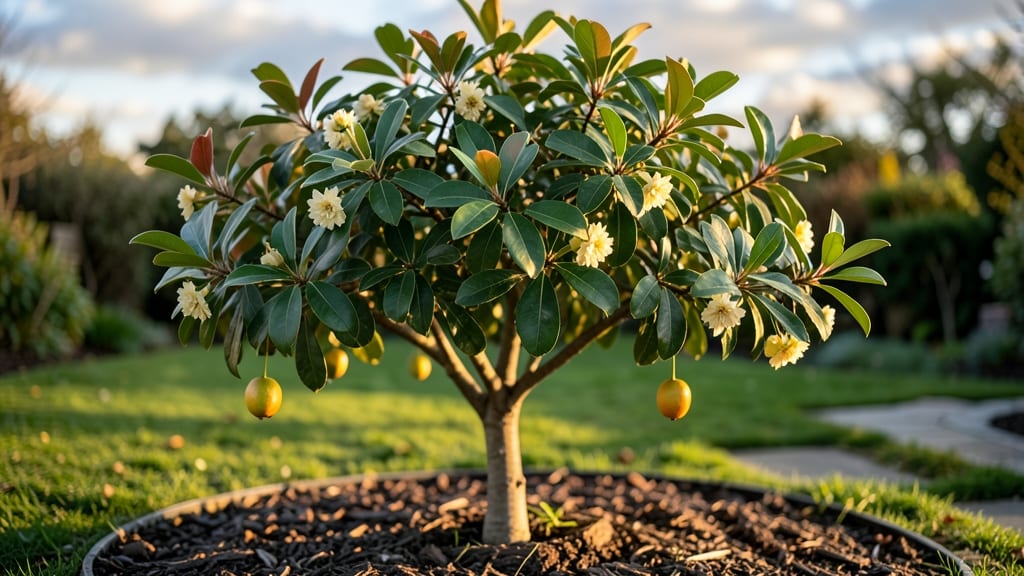
Growing loquat fruit means waking up to fragrant blossoms and harvesting sweet, apricot-like fruits year-round—if you live in the right climate. 🌿 I learned the hard way that these subtropical trees demand patience, but once established, they reward you with easy-care abundance and a tree that looks stunning even when not fruiting.
The secret starts with the right spot: loquats thrive in USDA zones 8-11, where they can handle light freezes but despise prolonged cold. In colder areas, grow them in large containers (15+ gallons) and overwinter indoors near a bright window.
They love well-draining soil—think sandy loam mixed with compost—and hate soggy roots, so raised beds or containers with drainage holes are ideal.
Once planted, keep the soil consistently moist but never waterlogged, especially during fruit development. Feed with a balanced citrus fertilizer (like 6-6-6) in early spring and again after harvest. Pruning isn’t just for shaping—it’s about opening the canopy to sunlight so every branch gets a chance to fruit.
Thin out crowded branches in late winter, and you’ll see more uniform, larger fruits by summer.
Pests are rarely a problem, but watch for scale or spider mites if your tree gets stressed. The real challenge is frost: even a light freeze can blacken fruit, so protect young trees with frost cloth or move containers indoors.
With the right care, you’ll harvest sweet, fragrant loquats from late winter through spring—long before most stone fruits even think about ripening.
📚 In This Guide
- What you need
- Instructions
- Tips and common mistakes
- Wrapping up and next steps
What you need
- ● Loquat Tree: Choose a healthy sapling (2-3 years old) or grafted tree from a nursery. Varieties like ‘Big Jim,’ ‘Champagne,’ or ‘Walsh’ are great picks!
- ● Well-draining soil: Loquats thrive in slightly acidic to neutral soil (pH 5.5–7.0). Mix in compost or organic matter (5–10 gallons) for nutrient-rich soil.
- ● Fertilizer: Use a balanced, slow-release fertilizer (e.g., 10-10-10 or citrus-specific blend) or organic options like fish emulsion or worm castings.
- ● Mulch: Wood chips or straw (2–3 inches thick) to retain moisture and regulate soil temperature.
- ● Shovel or trowel: For planting and soil amendments.
- ● Garden gloves: To protect your hands while handling soil and tools.
- ● Watering can or hose with a gentle spray nozzle: Loquats need consistent moisture, especially when young.
- ● Pruning shears: For shaping the tree and removing dead branches.
- ○ Spray bottle or hose attachment: For misting leaves (optional but helpful in dry climates).
- ● Drip irrigation system: Automates watering for busy gardeners.
- ● Tree support stake: Useful for young trees in windy areas.
- ● Fruit thinning shears: Helps manage fruit load for larger, healthier loquats.
- ● Pest control (neem oil or insecticidal soap): For organic pest management.
Step-by-step instructions for growing loquat fruit
Here's how to cultivate this subtropical treasure—with secrets to maximize fruit production.
🌱 Step 1: Select and Prepare the Right Planting Site
Loquats thrive in USDA zones 8-11 where winters stay above 20°F. Choose a location with full sun (at least 6-8 hours daily) and well-draining soil—they hate soggy roots. I always test soil pH first; loquats prefer slightly acidic to neutral (6.0-7.0). Amend heavy clay with 2-3 inches of compost and a handful of sand to improve drainage.
If planting in containers (ideal for colder climates), use a 5-gallon pot minimum with drainage holes. Fill with a mix of 60% potting soil, 30% perlite, and 10% coconut coir. The key is replication—mimic the loose, airy texture of their native subtropical soils. Water thoroughly after planting to settle the soil around roots.
☀️ Step 2: Plant and Establish Young Trees
Plant bare-root saplings in early spring when soil warms to 60°F. Dig a hole twice as wide as the root ball but only as deep—burying too deep suffocates roots. Gently spread roots outward before backfilling with native soil mixed with 1 cup of bone meal for phosphorus. Water deeply to remove air pockets.
For container-grown trees, transplant carefully to avoid root damage. Prune any broken branches immediately, then apply 2-3 inches of mulch (wood chips or straw) around the base—keep mulch 3 inches away from the trunk to prevent rot. Water twice weekly for the first month, then taper to once weekly once established. Watch for new leaf growth as your signal the tree is rooting.
💧 Step 3: Water and Fertilize for Optimal Fruit Production
Loquats need consistent moisture but hate wet feet. Water deeply once weekly (1-2 inches per week) during dry spells, more in summer heat. You'll know it's right when the top 2 inches of soil feel dry to touch. Overwatering causes root rot, which kills trees quickly—this is the #1 mistake I see in new growers.
Fertilize twice yearly: once in early spring with 10-10-10 and again in late summer with citrus-specific fertilizer. Use ½ cup per year of tree age (max 1 cup for mature trees). Avoid high-nitrogen fertilizers—they promote leafy growth at the expense of fruit. Prune lightly in winter to remove dead wood and open the canopy for better air circulation.
⏰ Step 4: Manage Pollination and Pest Control
Loquats are self-pollinating but produce more fruit with hand pollination on cloudy days. Use a small paintbrush to transfer pollen between flowers. Birds and bees help too—plant nearby pollinator-friendly flowers like hibiscus or bougainvillea to attract them. Watch for fruit drop—this is normal in early spring but excessive drop signals thinning is needed. Remove small, misshapen fruits to encourage larger ones.
Pests like aphids and scale are common. I spray neem oil solution (1 tsp per quart of water) weekly during outbreaks. For fungal issues (like anthracnose), apply copper fungicide at first sign of dark spots on leaves. Preventative care is key—mulch properly and avoid overhead watering to keep foliage dry.
Tips & tricks for growing loquat fruit
A few key insights will help you avoid common pitfalls and maximize your tropical harvest.
Site Selection Wisdom: The 6-8 hours of full sun requirement is non-negotiable—loquats need intense light to produce fruit. I've seen trees in partial shade develop sparse fruit sets, even with perfect care. If your yard has afternoon shade, consider a container setup where you can move the tree to catch more sunlight during peak hours. Also, test that soil drainage thoroughly—stick a shovel in the ground and fill a hole with water. If it drains in under 30 minutes, you're good; if not, amend with more sand or perlite.
Planting Technique That Changed Everything: When planting bare-root saplings, I learned the hard way that spreading roots outward creates a stronger root system. Many beginners plant them vertically, which restricts growth. For container-grown trees, transplant during cooler morning hours to reduce transplant shock. The key is keeping the root ball intact—never let it dry out before planting. After backfilling, press the soil firmly to eliminate air pockets, then water deeply until you see runoff from the drainage holes.
Watering Strategy: The once-weekly watering guideline assumes average conditions—adjust based on your climate. In summer heat, you might need to water every 3-4 days, while winter watering can drop to every 2-3 weeks. My trick is to use a moisture meter: aim for 2-3 inches of dry soil before watering. Overwatering is the silent killer—loquats show stress through yellowing leaves or leaf drop, which often means root rot has already started.
Pollination Boost: While loquats are self-pollinating, hand pollination on cloudy days can increase fruit set by 30-40%. I use a soft makeup brush (not too stiff) to gently transfer pollen between flowers. For container growers, place your tree near pollinator-friendly plants like hibiscus or lavender. Time your thinning carefully—remove small fruits when they're about the size of a dime to encourage larger, healthier fruit development. This is where most home growers miss out on maximum yields.
Pro Tips for Grow Loquat Fruit
- A few key insights will help you avoid common pitfalls and maximize your tropical harvest.
- Site Selection Wisdom: The 6-8 hours of full sun requirement is non-negotiable—loquats need intense light to produce ...
- Planting Technique That Changed Everything: When planting bare-root saplings, I learned the hard way that spreading r...
Frequently asked questions
Got questions about growing loquat fruit?
You’re not alone! Here are answers to the most common queries to help you cultivate this tropical gem like a pro.
How cold can loquat trees tolerate?
Loquats are tropical but surprisingly resilient! Most varieties handle light freezes down to 20–25°F (-6 to -4°C). However, prolonged cold (<15°F/-9°C) can damage leaves or fruit. In colder climates, grow them in containers or near a sunny wall for extra protection. Young trees are more vulnerable—consider mulching heavily in winter.
How long does it take for a loquat tree to bear fruit?
Patience is key! Dwarf varieties may fruit in 3–5 years, while standard trees can take 5–7 years to produce. For faster results, choose grafted trees (they bear fruit sooner) or opt for a dwarf rootstock. Pro tip: Fertilize regularly with citrus-specific nutrients to encourage blooming and fruiting.
Why aren’t my loquat flowers turning into fruit?
Several factors can prevent fruiting: poor pollination (hand-pollinate with a brush if bees are scarce), temperature stress (loquats need warm days and cool nights to set fruit), or nutrient deficiencies (lack of zinc or phosphorus). Also, young trees may focus on growth over fruiting—be patient or prune lightly to redirect energy.
Can I grow loquats in containers? Yes—but how?
Use a 15–20 gallon pot with drainage holes, well-draining soil (mix potting soil with perlite), and a dwarf or semi-dwarf variety like ‘Big Jim’ or ‘Champagne.’ Place in full sun (6+ hours/day) and water deeply when the top inch of soil dries. Warning: Container-grown trees need winter protection (move indoors or wrap the pot in burlap).
What pests should I watch for on loquat trees?
Common culprits include aphids (sap-sucking pests), scale insects (sticky residue), and fruit flies (they attack ripening fruit). For mild infestations, spray with neem oil or insecticidal soap. Citrus leaf miners (tiny white worms) can also be an issue—remove heavily infested leaves promptly. Regularly inspect undersides of leaves for early signs.
Are loquats self-pollinating? Do I need more than one tree?
Most loquat varieties are self-pollinating, but planting two trees improves fruit set and variety. If you only have one tree, hand-pollinate by gently brushing flowers with a soft paintbrush in the morning when pollen is fresh. Bonus: Cross-pollination can even enhance flavor and fruit size!
Wrapping up and next steps
Growing loquat fruit is a rewarding journey that combines patience, care, and a touch of tropical magic. 🌱 By choosing the right variety, providing the ideal climate, and following proper planting and maintenance techniques, you can enjoy year-round harvests of sweet, fragrant fruit.
Whether you're a beginner or an experienced gardener, every step—from soil prep to pruning—brings you closer to a bountiful tree.
Ready to take the next step? Start by selecting a healthy loquat tree or sapling, then plant it with confidence! With time and dedication, your garden will soon be filled with the delicious rewards of your hard work. Happy growing! 🌿