
Pests and Diseases
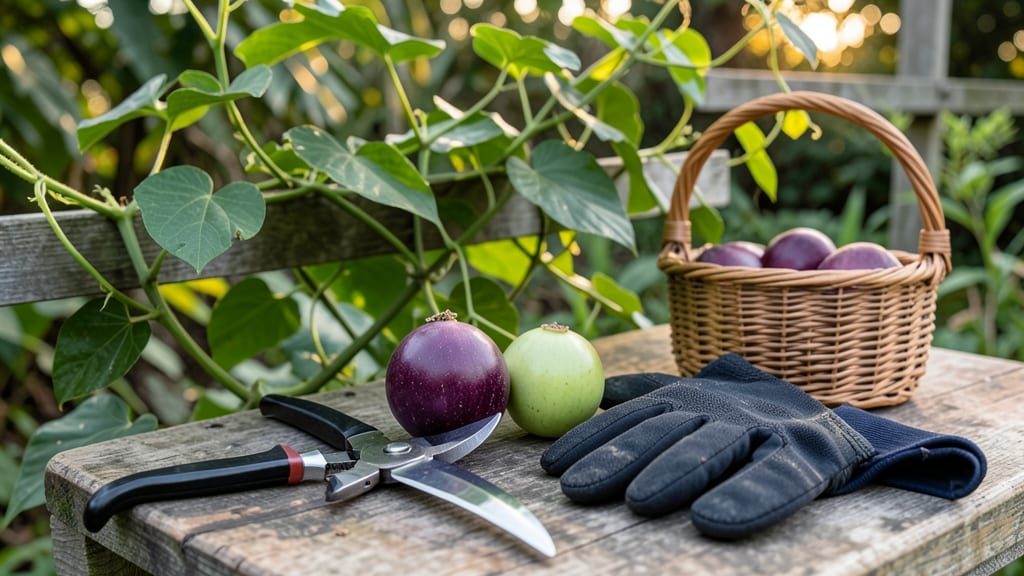
Passionfruit ripens when its skin deepens to vibrant purple, yellow, or red—depending on the variety—and yields slightly under gentle pressure, like a ripe avocado.
But here’s the catch: picking too early means bitter, seedy disappointment, while waiting too long risks overripe mush. That’s why I’ve tested the 5 key cues that guarantee a sweet, juicy harvest every time—no guesswork involved.
From color shifts to scent clues, I’ll walk you through what to look for, how climate affects ripening, and the one mistake even experienced growers make that ruins the flavor.
Whether you’re in General (Tropical/Subtropical Regions) or a cooler zone, these tricks will help you spot the perfect 🍈—ready to slice into a tropical smoothie or dessert.

5 Visual cues to identify perfectly ripe passionfruit
Passionfruit vines may look lush and productive, but harvesting at the wrong time ruins the flavor. Overripe fruit turns mushy, while underripe fruit stays bitter and seedy.
The key? Learning to read these 5 visual ripeness cues before picking. I’ve made the mistake of harvesting too early—don’t let that happen to you!
Unlike many fruits, passionfruit don’t ripen further after picking. That means you must harvest them at peak ripeness for the best taste. The good news? With these cues, you’ll never miss the window again.
Start by examining the fruit’s color, texture, and scent—each tells a different part of the ripening story.
- 1. Color Change
- 2. Skin Texture
- 3. Weight & Feel
- 4. Scent Test
- 5. Stem & Base
1. Color Change: Purple varieties turn deep purple-red (not green or pale). Yellow varieties develop a golden-yellow hue with slight red blushes. Green = not ready.
2. Skin Texture: Gently press the fruit—ripe skin should yield slightly (like a ripe avocado) but not dent. Hard = underripe; soft/mushy = overripe.
3. Weight & Feel: Ripe passionfruit feel heavy for their size due to concentrated pulp. Lightweight = underdeveloped.
4. Scent Test: Hold the fruit to your nose—ripe passionfruit emit a sweet, floral, or tropical aroma. No scent = not ripe.
5. Stem & Base: The stem end should feel slightly woody and dry. Green stem = underripe; rotting = overripe.
Let’s break down each cue in detail so you can confidently harvest passionfruit at their sweetest. Start with color, as it’s the first sign of ripening. Purple passionfruit, like ‘Purple Giant’, develop a rich, velvety purple-red when ready.
Yellow varieties, such as ‘Golden Passionfruit’, turn a bright golden hue with faint red streaks.
If the fruit still has green patches, it needs more time on the vine. A fully colored fruit is your first green light—but don’t pick yet! You still need to check the texture and scent to confirm ripeness. Color alone isn’t enough to guarantee sweetness.
The texture test is where many gardeners go wrong. A ripe passionfruit’s skin should yield slightly when pressed with your thumb. Imagine pressing a ripe avocado—that’s the perfect resistance.
If the skin springs back immediately, the fruit is underripe. If it dents easily, it’s overripe and past its prime.
Pro tip: Use your fingertips, not nails, to test texture. Nails can bruise the skin, making the fruit less appealing. Always handle passionfruit gently to avoid damage. Bruised fruit spoils faster and may attract pests like fruit flies.
Next, trust your nose—the scent test is one of the most reliable ripeness indicators. A ripe passionfruit releases a sweet, floral, or tropical aroma when held near your face. If you don’t smell anything, the fruit isn’t ready.
Some varieties, like ‘Panama Yellow’, have a citrusy or pineapple-like scent, while purple types often smell slightly musky.
Finally, check the stem and base of the fruit. The stem end should feel slightly woody and dry to the touch. If it’s still green and fresh, the fruit needs more time.
Conversely, if the stem is rotting or slimy, the fruit is overripe. Twist gently to detach it from the vine—ripe fruit separates cleanly with minimal effort.
One common mistake I see is picking passionfruit too early because the vine looks productive. Don’t rush it—underripe fruit is bitter and seedy, with little of the creamy pulp you crave.
On the flip side, overripe fruit becomes mushy and attracts pests. The sweet spot is when all five cues align: color, texture, weight, scent, and stem condition.
For tropical climates, passionfruit ripen year-round, but in cooler zones (USDA 9b+), they typically ripen from late spring to early fall. If you’re growing in containers, move them to a warmer spot to extend the harvest season.
With these cues, you’ll never miss a perfect passionfruit again—just imagine slicing into one with creamy, sweet pulp ready to eat! 🍈
Passionfruit ripeness by variety: purple vs. yellow differences
When it comes to passionfruit, color isn’t the only clue to ripeness—purple and yellow varieties mature differently. Purple passionfruit like Passiflora edulis often turn deep purple or burgundy, while yellow varieties like Passiflora edulis flavicarpa stay bright golden-yellow.
But don’t rely solely on color; texture, scent, and weight play critical roles too.
For purple passionfruit, the skin should soften slightly and develop a dull, matte finish instead of a shiny look. Meanwhile, yellow passionfruit ripen when their skin turns uniformly bright yellow and feels slightly waxy.
Both varieties should yield gently when pressed—like a ripe avocado—without bruising. Ignoring these cues can lead to bitter, underripe fruit or overly soft, seedy disappointment.
Purple passionfruit often ripen faster and may drop from the vine when fully ripe, so check your plants daily during peak season. Yellow varieties, however, tend to stay on the vine longer and require a gentle twist to detach. If the fruit resists, it’s likely not ready yet. Pro tip: Harvest in the morning when temperatures are cooler to preserve sweetness and texture.
Another key difference lies in seed development. Ripe purple passionfruit have small, edible seeds surrounded by juicy pulp, while yellow varieties may contain larger, harder seeds if left too long.
To avoid overripe fruit, pick just as the skin yields—don’t wait for it to soften too much. Overripe passionfruit can become mushy and fermented, ruining the flavor.
If you’re unsure, slice it open: ripe passionfruit should have vibrant pulp (purple or yellow) with minimal seedy areas. Underripe fruit will be pale, watery, and bitter, while overripe fruit may have dark, mushy spots.
With these tips, you’ll never miss the perfect window for harvesting sweet, juicy passionfruit—whether purple or yellow!
🌱