
Picking
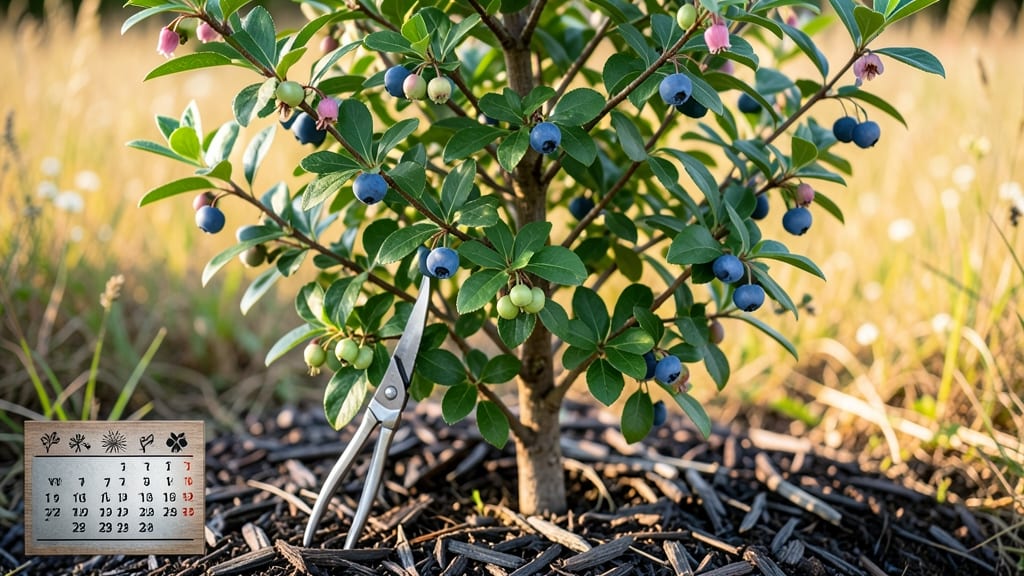
Blueberries fruit between late spring and early summer 🫐, with timing depending on your variety and climate zone.
Timing your blueberry harvest wrong can mean the difference between sweet, juicy berries and tart, underripe fruit—so knowing when blueberries fruit is critical for gardeners. Whether you're growing early-season Duke or late-season Jersey, the right window ensures peak flavor and yield.
In USDA Zone 6a, most varieties ripen between May and July, but warmer climates push that window earlier. A single week of misjudgment can turn plump berries into mealy ones, so learning the visual cues—like color shifts and stem detachment—is key.
Below, I break down the ripening schedule by variety, how to spot perfectly ripe fruit, and simple care tips to maximize your harvest. No more guessing—just delicious, homegrown blueberries every season.
Blueberry fruit timing: when do different varieties ripen?
Blueberries are a gardener's reward for patience, but knowing when blueberries fruit varies dramatically between varieties and climates. Early-season types burst with flavor in May, while late-season varieties hold out until July.
Even within the same region, a 3-week difference can separate your first ripe berry from your last. Understanding these timelines helps you plan harvests, extend storage, or even mix varieties for a prolonged season.
Your USDA hardiness zone plays a starring role in blueberry timing. In Zone 5, early varieties may fruit 2 weeks later than in Zone 7 due to cooler springs. Meanwhile, southern gardeners in Zone 9 often enjoy harvests starting in April—a full month ahead of northern growers.
Climate also shifts ripening: wet springs delay flowering, while dry summers can accelerate ripening and reduce yields.
The key to successful harvest planning lies in selecting the right mix of early, mid, and late-season varieties for your zone. A well-balanced blueberry patch can produce fruit from May through July, giving you a continuous supply.
For example, pairing Duke (early) with Bluecrop (mid) and Jersey (late) ensures berries for pies, jams, and fresh eating all summer.
| Variety | Season | Ripening Months | USDA Zones | Notes |
|---|---|---|---|---|
| Duke | Early | May | 4-8 | Large, firm berries; needs cross-pollination |
| Jersey | Late | July | 5-9 | Sweet, elongated berries; thrives in heat |
| Bluecrop | Mid | June | 4-7 | Most popular; high yield; self-fertile |
| Patriot | Early | Late May | 4-8 | Disease-resistant; great for containers |
| Chandler | Mid-Late | June-July | 6-9 | Large, firm berries; needs warm climates |
If you're in a warmer climate like Zone 9 or 10, you might see Duke berries ripen in April—a full month earlier than in Zone 5. This shift means gardeners in southern states can enjoy harvests as early as March in coastal areas where winters are mild.
Meanwhile, northern gardeners should expect their first ripe berries in late June if planting late-season varieties like Bluegold.
Climate also affects ripening consistency. Humid summers can lead to split berries or uneven ripening, while dry conditions may cause berries to ripen too quickly and lose flavor.
To combat this, I always mulch heavily in spring to retain moisture and water deeply in the morning to reduce fungal risks. In Zone 4 or colder, late frosts can delay ripening by 2-3 weeks, so I plant early varieties near heat sources like south-facing fences.
For container growers, dwarf varieties like Top Hat or Sunshine Blue ripen slightly earlier than standard bushes because they warm up faster in pots. These varieties typically fruit in late May to June, making them ideal for small spaces or urban gardens.
However, they still need 6-8 hours of sun daily to produce quality fruit, so placement matters.
One common mistake is assuming all blueberries ripen at once. In reality, each variety ripens over 2-3 weeks, with later berries on the same bush maturing days after the first ones.
To maximize your harvest, I recommend picking every 3-4 days once ripening begins. This prevents overripe berries from attracting birds and ensures you capture
How to tell when blueberries are perfectly ripe (and ready to pick)
Picking blueberries at the wrong stage ruins their flavor—overripe berries turn mealy, while underripe ones stay tart and bitter. The key is knowing the visual and tactile cues that signal peak ripeness.
Unlike many fruits, blueberries don’t continue ripening after picking, so timing is everything. I’ve learned the hard way that waiting too long means wasted harvests, while picking too soon means bland berries.
Blueberries ripen from the inside out, which is why color alone isn’t enough to judge readiness. You’ll need to combine three key indicators: color, firmness, and how easily they detach from the stem. Missing even one of these can lead to disappointment.
For example, a deep blue berry that’s still hard isn’t ready, but a slightly soft one that detaches easily might be perfect. Let me break down exactly what to look for.
- 1 Color Change: Fully blue (or red/purple) with no green patches. Early-season varieties may stay red, but they’ll still be deep in color.
- 2 Glossy Appearance: Ripe berries have a slight sheen from their natural waxy coating. Dull berries are underripe.
- 3 Firm but Yielding: Gently squeeze—ripe berries feel soft but not mushy. Think of a ripe peach’s texture, not a hard ball.
- 4 Easy Detachment: The berry should pop off the stem with light pressure. If it resists, it’s not ready. Overripe berries may fall off on their own.
- 5 Avoid These Mistakes: Picking when berries are still green (they won’t ripen off the bush) or waiting until they’re shriveled or moldy.
One common mistake I see is assuming all blueberries ripen at once. In reality, they ripen in clusters, with some branches producing fruit weeks before others. This is why I always check multiple branches—what’s ripe on one might still be green on another.
Pro tip: Use a small harvesting container with a lid to avoid crushing the delicate berries as you work.
Temperature also plays a role. In hot climates, blueberries may ripen faster and become overripe quicker, while cooler regions can stretch the harvest window. If you’re in a hot zone, check your bushes daily during peak season (May-July in most areas).
I’ve had to harvest in the early morning to catch the sweetest berries before the heat sets in.
Finally, don’t rely on calendar dates alone—blueberry ripening depends on your specific variety and local climate. For example, early-season varieties like ‘Duke’ ripen in late May, while late-season types like ‘Jersey’ hold until July. Always cross-reference the visual cues with your plant’s typical fruiting schedule to avoid mistakes.
Now that you know the signs, grab a bowl and enjoy the sweetest, juiciest blueberries your garden has to offer—just in time for summer snacks, smoothies, or fresh eating! 🫐