
Picking
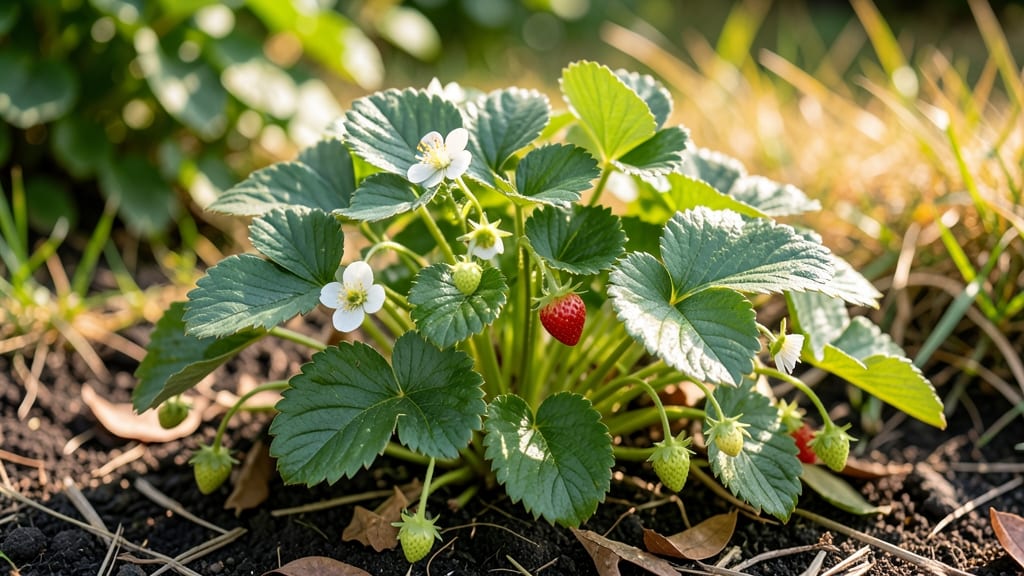
Strawberries fruit in late spring to early summer—but the exact timing depends on your variety and climate zone, not just the calendar.
Picture this: you’ve planted your 🍓 beds in March, watered faithfully, and now you’re waiting for those first ripe berries. Will they arrive in June, or will you be staring at empty vines by July?
The answer lies in whether you’re growing June-bearing, everbearing, or day-neutral varieties—and how your local frost dates play into the equation.
In USDA Zone 6a, most June-bearing strawberries fruit between June and July, while everbearing types might give you two smaller harvests: one in early summer and another in fall.
But if you’re in a warmer zone, like 8 or 9, your timing shifts earlier, sometimes as soon as April.
Below, I’ll break down the exact fruiting windows for your region, plus pro tips to extend your harvest—so you can go from “waiting” to “picking” faster than you think.
Strawberry fruit timing by USDA climate zones: when to expect harvests
Strawberries are one of the fastest fruits to bear fruit after planting, but their harvest timing varies dramatically by USDA zone and variety type. Whether you grow June-bearing, everbearing, or day-neutral strawberries, understanding your zone’s frost patterns is key to planning.
In warmer zones like Zone 8-10, you might enjoy year-round harvests, while colder Zone 3-5 gardeners rely on short summer windows or fall plantings for next year’s crop.
The secret to maximizing your strawberry yield lies in matching your planting window to your zone’s last frost date. For example, in Zone 6, planting in early spring (March-April) ensures June harvests, while fall plantings (August-September) set up a June harvest the following year.
Meanwhile, gardeners in Zone 10 can plant almost year-round and expect continuous fruiting with the right varieties.
Here’s how cold hardiness impacts fruiting: June-bearing varieties need chilling hours (typically 300-1,000 hours below 45°F) to fruit, while everbearing and day-neutral types are more flexible. In Zone 4, for instance, only cold-hardy varieties like ‘Chandler’ or ‘Jewel’ thrive, producing fruit in late June-July after surviving winter dormancy.
In Zone 3-4, where winters are harsh, focus on June-bearing varieties planted in early spring for a single, reliable harvest. These zones benefit from fall-planted bare-root plants, which establish roots before winter and fruit the following summer.
For example, planting ‘Honeoye’ in September ensures a June harvest the next year.
Gardeners in Zone 5-6 can experiment with everbearing varieties like ‘Seascape’ for two harvests per year: one in early summer and another in fall. To extend the season, use row covers in early spring to protect blossoms from late frosts.
In my Zone 6 garden, I’ve successfully added 4-6 weeks to the harvest window by covering plants until May 15.
Warmer Zone 7-8 climates offer flexibility with day-neutral varieties like ‘Tristar’, which produce fruit every 2-3 weeks from spring to frost. Here, fall planting (September-October) sets up a spring harvest, while spring plantings yield summer fruit.
Mulching with straw or pine needles helps regulate soil temperature and keeps berries clean.
For Zone 9-10 gardeners, the key is succession planting every 6-8 weeks to avoid overlapping harvests and ensure a steady supply. Varieties like ‘Camarosa’ thrive in these climates, producing fruit year-round with minimal chilling requirements. Shade cloth (30-50%) during peak summer helps prevent sunburn on berries.
No matter your zone, soil temperature plays a critical role. Strawberries need soil temps above 45°F to fruit, so in northern zones, wait until after last frost to plant. In southern
How to adjust strawberry planting for early or late harvests in your region
Your climate zone determines whether strawberries fruit in spring, summer, or even fall. In warm climates like Florida or California, June-bearing varieties may fruit year-round, while cold zones like Minnesota need cold-hardy varieties to produce at all.
The key is adjusting planting times and using protective techniques to shift harvests by 2-4 weeks—whether you want berries in May or September.
For early harvests, plant everbearing varieties like ‘Seascape’ in late summer (August-September) to fruit the following spring. In cold regions, use row covers to protect plants from late frosts, allowing berries to ripen 2 weeks earlier.
Meanwhile, in hot climates, shade cloth can delay ripening until cooler months, extending your harvest into late summer.
🌱 When Do Strawberries Fruit?
- 🌿 June-bearing: Single harvest in late spring/early summer (60 days after planting).
- 🌿 Everbearing: Two harvests—early summer and fall (30-45 days after each flush).
- 🌿 Day-neutral: Continuous harvest from summer to frost (45-60 days after planting).
📍 Climate Impact: Cold zones (USDA 3-5) need June-bearing varieties; warm zones (USDA 8-10) thrive with day-neutral types.
In hot climates, choose heat-tolerant varieties like ‘Albion’ or ‘Camarosa’ and plant in fall for spring harvests. Use drip irrigation and mulch heavily to retain moisture and prevent stress.
For cold regions, opt for ‘Chandler’ or ‘Honeoye’, which handle frost better. Plant in late spring after the last frost date to avoid winterkill.
To extend harvests, try succession planting: Install new plants every 2-3 weeks in spring for staggered ripening. In warm zones, use shade cloth (30-50%) during peak summer to slow ripening and prevent sunburn.
In cool zones, black plastic mulch warms the soil, encouraging earlier fruiting by 10-14 days.
Remember, soil temperature is critical—strawberries fruit best when roots hit 55-75°F. In Alaska or Minnesota, raise beds with compost to warm the soil faster. Meanwhile, in Florida or Arizona, plant in partial shade to avoid heat stress.
With these tweaks, you can enjoy strawberries for 2-3 months longer than your neighbors!
Pro tip: Keep a planting journal to track which varieties and methods work best in your microclimate. Adjust each year based on weather patterns—your future harvests will thank you! 🌱