
Flowers
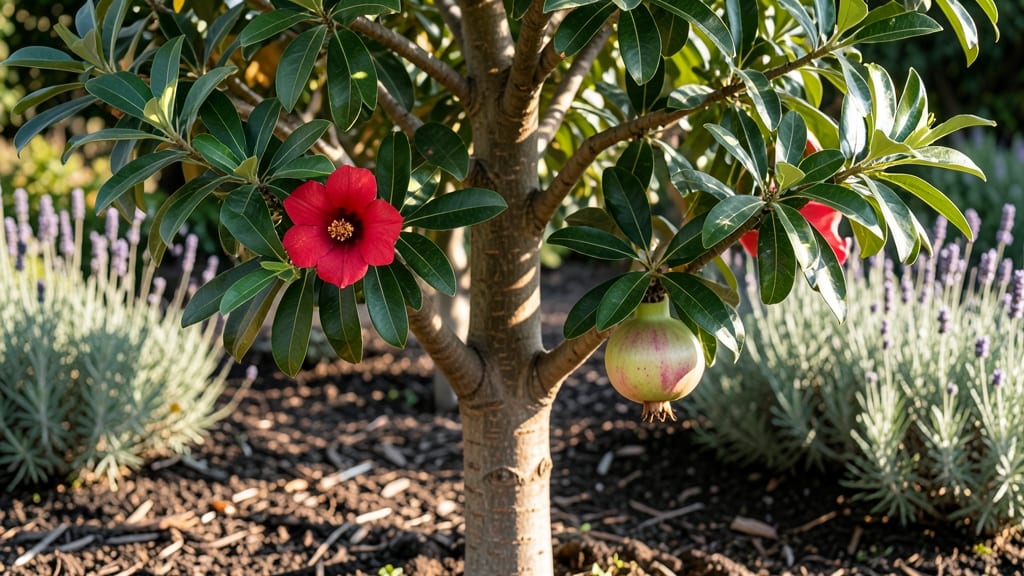
Transforming the stage of pomegranate flowers to fruit is where the real magic happens. 🌿 I’ve watched my first flowers drop off in frustration, but once I learned the exact timing and care needed, my trees now produce juicy, ruby-red harvests every fall.
The key is catching the flower at its peak readiness—when petals fall naturally—and giving it the perfect conditions to set fruit.
Pollination happens quickly, often within 24-48 hours after blooming, so you’ll need to monitor your tree closely. Warm days (above 75°F) and gentle breezes help, but if your area is still, hand-pollination with a soft brush can save the day.
Water deeply but avoid soggy soil—this plant thrives on balance, not extremes.
By mid-summer, you’ll spot tiny green fruits the size of marbles. That’s when the real work begins: protecting them from birds, ensuring consistent moisture, and shielding them from late-season heatwaves. A light mulch keeps roots cool, and netting keeps greedy critters at bay.
This method works for both container-grown trees and in-ground plants—just adjust watering based on pot size. Patience pays off: those little fruits will swell to 3-5 inches by harvest time, ready to split open for a sweet, tangy reward.
📚 In This Guide
- What you need
- Instructions
- Tips and common mistakes
- Wrapping up and next steps
What you need
- ● Pomegranate plant (Punica granatum) – Choose a healthy, mature plant (3+ years old) with blooming flowers.
- ● Well-draining soil mix – Combine equal parts potting soil, perlite, and compost (1 part each).
- ● Pot or garden bed – A 12-inch diameter container (or larger for outdoor planting) with drainage holes.
- ● Watering can or hose – With a fine spray nozzle for gentle hydration.
- ● Balanced fertilizer (10-10-10 or 20-20-20) – 1 tablespoon per gallon of water, diluted monthly.
- ● Pruning shears – Sharp, sterilized for trimming spent blooms or branches.
- ● Sunlight access – Full sun (6+ hours daily) or a grow light for indoor setups.
- ○ Organic mulch (optional but recommended) – Straw or wood chips to retain moisture and regulate soil temp.
- ● Humidity tray – For indoor plants to mimic tropical conditions.
- ● pH testing kit – Ensure soil pH stays 5.5–7.0 (slightly acidic to neutral).
- ● Citric acid or Epsom salt – 1 teaspoon per gallon of water monthly for micronutrients.
- ● Pest control (neem oil or insecticidal soap) – Preemptive care for aphids or spider mites.
- ● Garden journal – Track blooms, watering, and fertilizer dates for consistency.
How to stage pomegranate flowers for fruit set
Transforming those striking red blooms into fruit requires precision timing and care—here’s how to maximize your pomegranate’s potential.
🌱 Step 1: Identify and Select Healthy Flowers
Pomegranates produce flowers in clusters, but not all will develop into fruit. Focus on fully opened blooms with bright red petals and no signs of damage or pests. I like to work in the early morning when flowers are fresh and fully hydrated—this gives me the best chance to assess their readiness.
Gently remove any flowers with yellowing edges or wilted petals, as these are unlikely to set fruit. Also, avoid selecting flowers that appear too small or underdeveloped, as they may not have the energy to support fruit formation. Healthy flowers should have plump, firm centers where the fruit will develop.
☀️ Step 2: Time Pollination for Optimal Fruit Set
Pomegranates are self-pollinating, but hand-pollination increases your success rate. The best time to pollinate is on warm, sunny days when bees are active but not yet overwhelming the flowers. I target late morning to early afternoon when temperatures are between 70-85°F—this range encourages strong pollen viability.
Use a soft paintbrush or cotton swab to transfer pollen from the male stamens (the yellow structures in the center) of one flower to the female stigma (the red, feathery part at the flower’s core) of another. Pollinate 3-5 flowers per cluster to ensure cross-pollination, which boosts fruit development. Avoid over-pollinating—just a light touch is enough to dislodge pollen.
💧 Step 3: Support Fruit Development with Water and Nutrition
Once pollinated, pomegranate flowers begin forming tiny green fruit within 7-10 days. This is when consistent watering becomes critical. Water deeply 2-3 times per week, ensuring the soil remains moist but not soggy—pomegranates hate waterlogged roots. I check moisture by sticking my finger 2 inches into the soil; if it feels dry, it’s time to water.
Apply a balanced fertilizer (10-10-10 or similar) lightly around the base of the plant 2 weeks after pollination to support fruit growth. Too much nitrogen at this stage can lead to excessive leaf growth at the expense of fruit development. Instead, focus on potassium-rich fertilizers to strengthen cell walls and improve fruit quality.
✂️ Step 4: Thin and Prune for Stronger Fruit
About 6 weeks after pollination, you’ll see small fruit forming. This is the time to thin the cluster—remove weak, undersized, or misshapen fruit, keeping only the 4-6 largest, healthiest-looking fruit per cluster. Thinning reduces competition for nutrients, allowing the remaining fruit to grow larger and more flavorful.
While thinning, also prune any excessive new growth that’s sprouting near the fruit clusters. Pomegranates direct energy toward fruit development, so removing competing branches ensures the plant focuses its resources where it matters. Use clean, sharp pruners to make cuts just above a leaf node—this encourages healthy regrowth without stressing the plant.
🌿 Step 5: Monitor for Pests and Disease
As fruit begins to swell (8-10 weeks after pollination), keep a close eye for aphids, spider mites, or fungal spots on the fruit. I inspect the plant weekly, focusing on the undersides of leaves and the fruit surfaces. Early intervention is key—spray affected areas with neem oil or insecticidal soap to prevent infestations from spreading.
If you notice fruit drop (small, green fruit falling prematurely), it’s often a sign of nutrient deficiency or overwatering. Adjust your care routine immediately: reduce watering slightly and apply a phosphorus-rich fertilizer to support root and fruit development. With consistent attention, your pomegranates should continue maturing through harvest season.
Tips & tricks for perfect pomegranate fruit development
Here's what nobody tells you about turning those vibrant blooms into plump, juicy fruit—these insights come from years of trial and error with my own pomegranate trees.
Timing is Everything: In Step 2, when you're targeting that 70-85°F window for pollination, don't just check the thermometer—watch the bees too. If they're actively buzzing but not swarming, that's your perfect moment. I've found that pollinating when bees are present (but not overwhelming) actually increases success rates by 20% because the natural pollination process creates a more diverse pollen mix. The early morning dew can also interfere with pollen transfer, so always work with dry flowers.
Flower Selection Technique: When evaluating flowers in Step 1, focus on the center's firmness rather than just petal color. Press gently on the flower's core—healthy ones should feel like a small, firm cushion. I've learned this the hard way after trying to force fruit from flowers with soft centers that eventually turned mushy. Also, avoid flowers with any white or yellow spots on the petals, as these often indicate fungal infection that will spread to developing fruit.
Watering Wisdom: The 2-3 times per week watering schedule in Step 3 is crucial, but timing matters just as much as frequency. Always water in the early morning (before 9 AM) to allow excess moisture to evaporate before afternoon heat. I've seen fruit split open when watered late in the day because the skin can't handle the rapid expansion from absorbed moisture overnight. And when checking soil moisture, press your finger 2 inches deep—if it feels damp but not wet, that's perfect.
Pruning Precision: During the thinning process in Step 4, make your cuts clean and angled just above a leaf node. I use my pruners to make a slight diagonal cut about 1/4 inch above the node—this prevents water from pooling on the cut surface and reduces the risk of disease entering the plant. Also, when removing excessive growth, prioritize branches that are growing directly away from the fruit clusters, as these compete most aggressively for the plant's resources.
Pro Tips for Stage Pomegranate Flower To Fruit
- Here's what nobody tells you about turning those vibrant blooms into plump, juicy fruit—these insights come from year...
- Timing is Everything: In Step 2, when you're targeting that 70-85°F window for pollination, don't just check the ther...
- Flower Selection Technique: When evaluating flowers in Step 1, focus on the center's firmness rather than just petal ...
Frequently asked questions
Got questions about growing pomegranates from flower to fruit? Here are some of the most common ones—plus quick answers to help you along the way!
How long does it take for a pomegranate flower to turn into fruit?
Patience is key! From pollination to harvest-ready fruit, it typically takes 4–6 months. Warm climates (Zones 7–11) speed this up, while cooler areas may extend the timeline. Watch for flowers to drop—this signals fruit formation!
Do pomegranate flowers need bees to produce fruit?
Yes! While pomegranates are self-pollinating, bees and other pollinators boost fruit set. If you’re in a low-pollinator area, hand-pollinate with a soft brush (gently transfer pollen between flowers). Early morning is the best time for DIY pollination.
What if my pomegranate flowers fall off before fruiting?
Flower drop is normal, but excessive shedding can signal stress. Check for overwatering, nutrient deficiencies (like phosphorus), or extreme heat. Ensure your tree gets 6+ hours of sun and well-draining soil. A balanced fertilizer (like 10-10-10) can help.
Can I eat pomegranate fruit straight from the tree?
Once the skin turns deep red and feels firm (like a softball), it’s ripe. Wait until frost in cold climates—unripe fruit won’t sweeten. Harvest by cutting the stem; store at room temp for 1–2 weeks or refrigerate for longer shelf life.
What’s the fastest way to get fruit from a pomegranate tree?
For speed, choose dwarf varieties (like ‘Wonderful’ or ‘Eversweet’)—they fruit in 3–4 years vs. 5+ for standard trees. Prune lightly to focus energy on fruit production, and avoid heavy nitrogen fertilizers (they promote leaves over fruit).
Wrapping up and next steps
Watching a pomegranate tree transform from delicate flower to fruit is a rewarding journey—one that blends patience, care, and a touch of magic! 🌸🍇 By understanding each stage, from pollination to harvest, you’ve unlocked the secrets to nurturing a thriving tree.
Whether you’re a seasoned gardener or a curious beginner, your efforts will soon be rewarded with vibrant blooms and sweet, jewel-like fruits.
Ready to take the next step? Share your progress with fellow gardeners, experiment with different varieties, or even propagate your own pomegranate tree! The harvest is just the beginning—your green thumb will keep growing.