
Vegetables
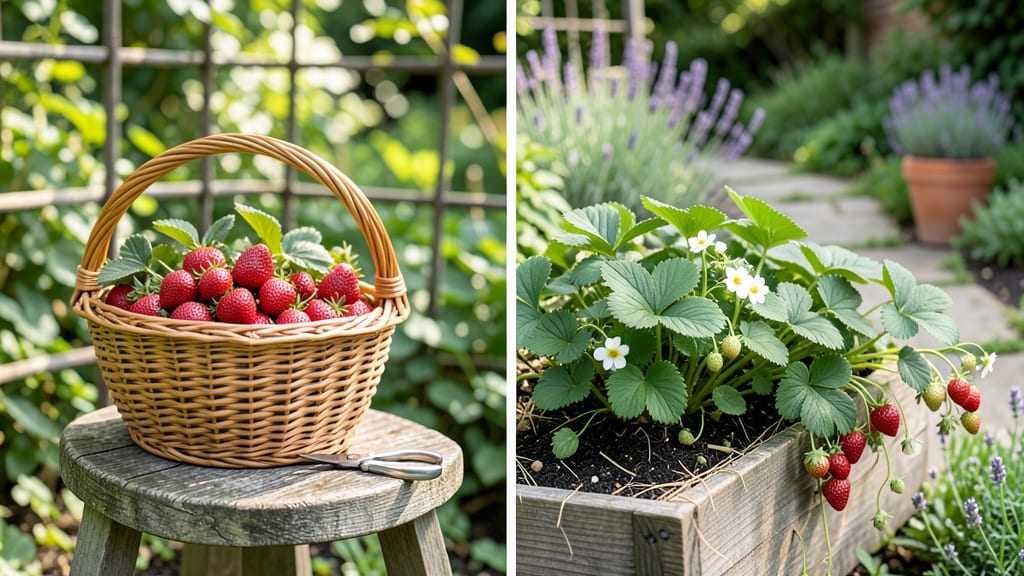
Everbearing strawberries produce fruit twice a year—once in early summer and again in fall—thanks to their unique response to day length and temperature shifts.
Picture this: you’ve just planted your 🍓 everbearing strawberries in spring, eager for a harvest, only to wonder why the fruit isn’t appearing when you expected. The truth? Their fruiting windows depend on your climate zone, variety, and even how you’ve cared for them.
Get the timing wrong, and you’ll miss out on juicy berries—or worse, end up with tiny, underdeveloped fruit.
In Zone 6a (like much of the Midwest), most everbearing varieties kick off their first flush in June or July, followed by a second wave in September or October. But in warmer zones, the fall crop might arrive earlier, or the spring harvest could stretch later.
The key? Understanding how temperature and daylight trigger fruiting—and how to adjust your expectations (and garden prep) accordingly.
Below, I’ll break down the exact seasonal timeline for your region, plus pro tips to coax the biggest, sweetest berries from your plants—no guesswork required. Ready to turn your patch into a year-round fruit factory?
Everbearing strawberry fruit production timeline by season & variety
Understanding everbearing strawberry fruiting cycles is key to maximizing your harvest. Unlike June-bearing varieties, everbearing types produce fruit in two main flushes—spring and fall—triggered by day length changes.
The exact timing depends on your climate zone and the specific variety you grow, but most follow this predictable pattern.
True everbearing strawberries (like 'Albion' or 'Ozark Beauty') produce smaller berries in continuous cycles throughout the growing season, while day-neutral varieties (like 'Seascape') fruit almost year-round in warm climates. The spring flush typically occurs when days lengthen, and the fall flush happens as daylight shortens again.
📅 Key Timing Factors: Your USDA hardiness zone, last frost date, and variety all influence when fruit appears. In Zone 5-7, expect spring fruit in May-June and fall fruit in September-October. Warmer zones (Zone 8+) may see year-round production with proper care.
| Variety Type | Spring Flush | Fall Flush | Notes |
|---|---|---|---|
| June-Bearing | May-June (one-time) | None | Single harvest; not true everbearing |
| True Everbearing | May-June (small crop) | September-October (larger crop) | Best for cooler climates; needs winter dormancy |
| Day-Neutral | April-October (continuous) | April-October (continuous) | Ideal for warm zones; no winter dormancy needed |
| Early Varieties | April-May (earlier than standard) | August-September | Examples: 'Tristar', 'Mara des Bois' |
| Late Varieties | June-July (delayed) | October-November | Examples: 'Honeoye', 'Jewel' |
The spring flush for everbearing strawberries typically begins when soil temperatures reach 40°F (4°C) and days lengthen past 14 hours of light. In Zone 5-6, this usually happens in late April to May, while warmer zones (Zone 7+) may see fruit as early as March.
The berries from this flush are often smaller but sweeter due to cooler temperatures.
After the spring harvest, everbearing plants focus on foliage growth to store energy for the fall flush. This second cycle is usually more productive, with larger berries appearing as daylight shortens in late summer to early fall.
In Zone 5-7, expect peak fall production from September through October, just before frost.
If you're growing day-neutral varieties in Zone 8+, you may see continuous fruiting from spring through fall, with minimal breaks. These varieties thrive in warm climates where frost isn’t a concern, producing berries in 3-4 week cycles throughout the season. 'Seascape' and 'Fort L
How climate zones affect everbearing strawberry harvest times
Your climate zone dictates when everbearing strawberries produce fruit, with dramatic differences between cold Zone 3-5 regions and warm Zone 7-10 areas. In colder zones, plants enter dormancy and require winter protection, while warmer zones may experience heat stress that delays fruiting.
Understanding these regional patterns helps you time your harvests perfectly.
In Zones 3-5, everbearing varieties typically produce a small spring crop in late May to June, followed by a larger fall harvest from August to October. The spring flush often suffers from late frosts, while the fall crop benefits from cooler temperatures.
Gardeners in these zones must use mulch or row covers to protect plants during winter months.
| Climate Zone | Spring Harvest Window | Fall Harvest Window | Key Considerations |
|---|---|---|---|
| Zones 3-5 | Late May - June | August - October | Use mulch for winter protection; spring crop may be light due to frost risk |
| Zones 6-7 | June - Early July | September - November | Balanced production; monitor for powdery mildew in humid summers |
| Zones 8-10 | April - May | October - December | Fall crop may extend into winter; provide shade cloth during heatwaves |
Urban gardeners in containers can adjust harvest timing by choosing heat-tolerant varieties like 'Seascape' or 'Albion'. Containers warm up faster in spring, potentially advancing the spring harvest by 2-3 weeks compared to in-ground plantings. However, containers also dry out quickly, so consistent watering is critical to prevent fruit splitting.
Microclimates play a huge role in extending harvest seasons. A south-facing wall or raised bed can add 1-2 weeks to your growing season in cooler zones.
Conversely, low-lying areas may experience frost pockets that delay spring planting. Always scout your garden for these microclimate variations before committing to a planting schedule.
Heat stress in Zones 8-10 often causes everbearing strawberries to skip the spring crop entirely, focusing energy on fall production. To combat this, provide afternoon shade during peak summer months and mulch heavily to keep roots cool.
In these warm zones, the fall harvest may last until December if temperatures stay mild.
For urban gardeners, container-growing everbearing strawberries offers flexibility. Choose dwarf varieties like 'Tristar' or 'Ozark Beauty' for smaller spaces. Move containers to shadier spots during heatwaves and bring them indoors during freezing nights in Zone 7-8 areas.
With proper care, container-grown strawberries can produce fruit year-round in mild climates.