
Picking
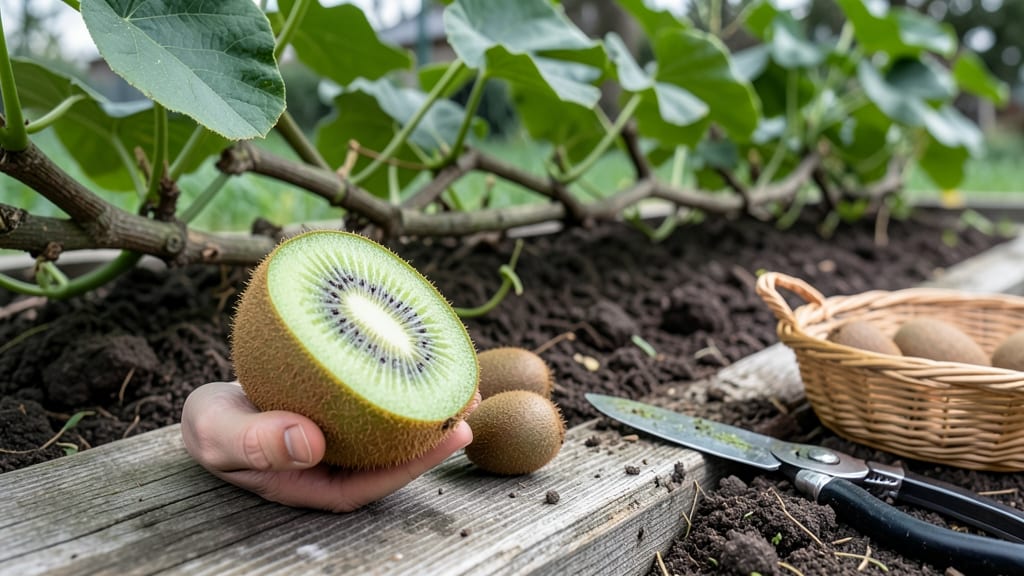
When are kiwi fruit ripe? They ripen when they turn soft, fragrant, and deep brown (or golden for smooth varieties) 🍈—but timing this perfectly keeps them from going mushy or staying hard.
Picture this: you’ve been waiting months for your homegrown kiwis to ripen, only to pick them too early and end up with bland, mealy flesh. Or worse, you wait too long, and they turn to mush before you even get a chance to enjoy them.
Knowing the right cues—like texture, color, and scent—makes all the difference. Whether you’re harvesting from your own vine or buying from the store, these simple ripeness tests will help you pick kiwis at their peak.
Below, I’ll break down the science-backed methods to check ripeness, how to ripen kiwis at home, and even how different varieties (like Hayward or Zespri) behave. No more guesswork—just perfectly ripe kiwis every time.

5 Reliable kiwi ripeness tests to check before eating
Kiwi fruit ripeness is a delicate balance—too soon and the flavor is underwhelming; too late and the texture turns mushy. As someone who’s grown kiwi vines for years, I’ve learned these science-backed tests to nail the perfect moment.
Whether you’re harvesting from your garden or selecting store-bought fruit, these methods guarantee peak flavor and texture every time.
Kiwis don’t ripen like bananas on the counter—they rely on vine cues and subtle changes in appearance. The key is combining multiple tests for accuracy. For example, a fuzzy kiwi (like Hayward) might feel soft but still need a few days to develop its signature sweet-tart punch.
Meanwhile, gold kiwis (smooth-skinned) ripen faster and require gentler handling.
- 1 Touch Test: Gently squeeze—ripe kiwis yield slightly like a soft tennis ball. Overripe ones feel mushy, while unripe ones are rock-hard.
- 2 Smell Test: Sniff near the stem—ripe kiwis emit a sweet, floral aroma. No scent? Not ready yet. A strong, fermented smell means it’s past its prime.
- 3 Sight Test: Check the stem—it should detach easily with a slight twist. For fuzzy kiwis, the skin turns deep brown; gold kiwis develop a golden hue.
- 4 Sound Test: Tap the fruit—ripe kiwis make a dull thud. A high-pitched sound means it’s underripe; a hollow echo signals overripeness.
- 5 Vine Cues: On the plant, look for plump, heavy fruit that’s 80% colored. If birds are pecking at them, they’re ripe—kiwis are a favorite snack!
Pro tip: Combine the touch and smell tests for the most accurate results. I once picked a batch of kiwis that felt ripe but smelled bland—turns out, they needed another week on the vine. Always cross-reference at least two methods to avoid mistakes.
For store-bought kiwis, prioritize the smell and touch tests since you can’t see the vine. A kiwi that’s slightly firm but fragrant will ripen perfectly on your countertop in 2-3 days.
If you’re impatient, place it in a paper bag with a banana to speed up ripening using ethylene gas.
Regional variations matter too. In cooler climates (Zones 6-7), kiwis ripen later—aim for late September to October. Warmer zones (8-9) can harvest as early as August. Always check your local frost dates to avoid losing your crop to early cold snaps.
One common mistake? Assuming all kiwis ripen the same way. Gold kiwis (like Zespri) ripen faster and are best eaten within 3-5 days of picking, while fuzzy Hayward kiwis can last up to a week. Store them in the fridge to slow ripening if you’re not ready to eat them.
Remember, kiwis continue ripening slightly after harvest, but only up to a point. If you’re growing your own, harvest just before full ripeness—this gives you the most control over texture and flavor. Overripe kiwis lose their vibrant green flesh and turn brown, so timing is everything.
🌱
How to ripen kiwis at home: speed up the process safely
Kiwis picked too early won’t ripen properly, leaving you with a mealy texture and lackluster flavor. The good news? You can safely ripen kiwis at home using simple techniques that mimic natural conditions.
Whether you’ve harvested your own kiwi fruit or bought unripe ones, these methods will deliver perfectly sweet results without spoiling your fruit.
Ripening kiwis relies on two key factors: ethylene gas (a natural plant hormone) and controlled temperature. Unlike bananas, kiwis need a cooler environment (around 65-70°F) to avoid overripening.
Below, I’ll walk you through the safest, fastest ways to ripen kiwis at home—plus common mistakes to avoid that turn your fruit into mush.
Step-by-Step Kiwi Ripening Guide
-
Step 1: Select Firm but Plump Kiwis
Choose kiwis that yield slightly to gentle pressure (like a ripe avocado) but aren’t mushy. Avoid bruised or overly soft fruit.
-
Step 2: Use Ethylene Gas (The Ripening Trick)
Place kiwis in a paper bag with an apple or banana (both release ethylene). Seal the bag loosely and store at room temperature for 2-4 days.
-
Step 3: Control Temperature for Safety
Keep kiwis in a cool, dark place (like a pantry) at 65-70°F. Avoid refrigeration until fully ripe—cold slows ripening and can cause mealiness.
-
Step 4: Check Daily for Ripeness
Test ripeness by gently pressing the kiwi. It should feel soft but not mushy. A slight give near the stem means it’s ready to eat!
-
Step 5: Store Ripe Kiwis Properly
Once ripe, move kiwis to the fridge to slow further ripening. They’ll last 3-5 days in the fridge, but eat them as soon as possible for peak flavor.
If your kiwis still feel hard after 4 days, they might need more time. Overripe kiwis turn mushy and ferment, so always check daily. Pro tip: Golden kiwis ripen faster than fuzzy varieties—monitor them closely!
Avoid these common mistakes that ruin kiwis: storing them in the fridge too early, using a sealed plastic bag (traps moisture), or leaving them in direct sunlight (speeds spoilage). With these steps, you’ll enjoy juicy, sweet kiwis in just a few days—no guesswork required!
🌱