
Fertilization
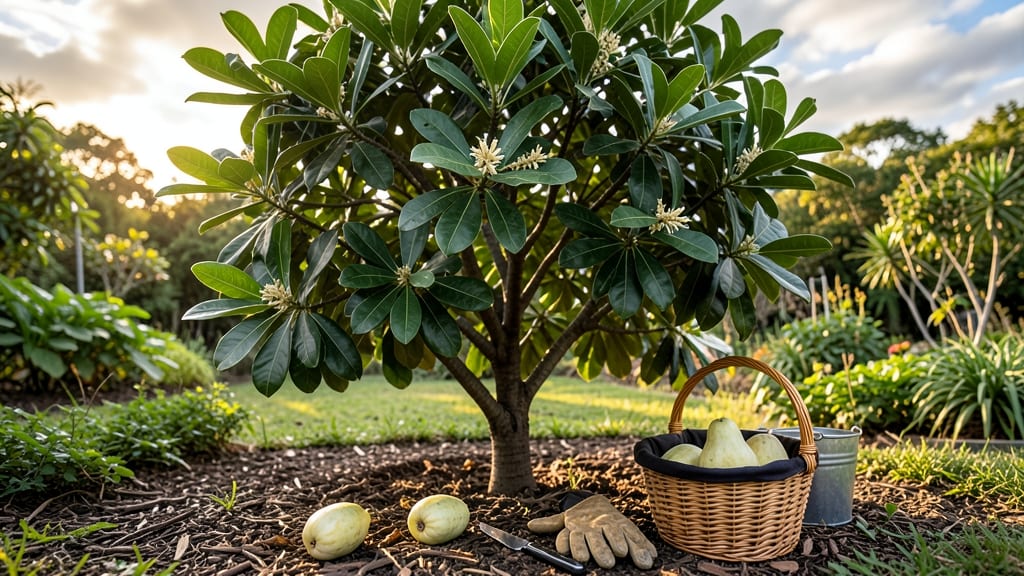
Ripe noni fruit 🍈 turns from green to a pale yellow or white, but that’s just the start of what makes it perfect to pick.
Picking the wrong one means a bitter, mushy mess—no one wants that. Whether you’re harvesting from your own tree or grabbing from the market, these 5 simple tests will help you spot the sweetest, most flavorful noni every time.
You’ll learn how to check for the right color, the perfect give when touched, and even the scent that signals peak ripeness. No guesswork, just foolproof results.
Once you master these tricks, you’ll never waste another noni—and you’ll know exactly when to harvest for the best taste and uses, from smoothies to traditional remedies.

5 Visual & touch tests to identify perfectly ripe noni fruit
Noni fruit (Morinda citrifolia) is a tropical treasure, but picking it at the right stage can be challenging. When harvested too early, it's bitter and astringent—when left too long, it becomes mushy and overripe.
The key lies in mastering these 5 simple tests that combine visual cues and tactile feedback to guarantee the sweetest, most flavorful noni every time.
Whether you're harvesting from your own tropical garden or selecting fruit at a market, these methods work universally. I've used them for years to ensure my noni harvests are always peak ripeness, with minimal waste. The best part? You don't need any special tools—just your eyes and hands.
-
1Color Transition: Ripe noni turns from bright green to creamy white or pale yellow. Avoid fruits with green patches—they're underripe and bitter.
-
2Texture Test: Gently press the fruit—ripe noni should yield slightly (like a ripe avocado) but not feel mushy. Overripe fruit will leave deep fingerprints.
-
3Size Matters: Fully ripe noni reaches 3-6 inches long and feels heavy for its size. Small, lightweight fruit is underdeveloped.
-
4Aroma Check: Sniff near the stem—ripe noni emits a fermented, sweet scent (like yogurt or mild vinegar). No smell? It's not ready.
-
5Skin Condition: The peel should be thin and slightly wrinkled, not thick or glossy. Thick skin indicates unripe fruit.
Start with the color test—it's the most obvious sign of ripeness. A fully white or pale yellow noni is your best bet for sweetness, but always combine it with the texture test to avoid overripe fruit.
I've found that noni ripens fastest in warm, humid conditions, so morning harvests often yield the best results.
For gardeners, timing is everything. Noni fruit typically takes 6-12 months to ripen after flowering, but environmental factors like temperature and humidity can accelerate this process. In my USDA Zone 11 garden, fruits often ripen in 90-120 days during peak summer months.
Pro tip: If you're unsure, cut one open. The flesh should be pale yellow with minimal fiber. Dark, fibrous centers mean the fruit needs more time. I always keep a small harvest for testing—it's the only way to truly know what's perfect for your palate.
One common mistake is assuming all noni tastes the same. Ripeness directly impacts flavor—underripe fruit is bitter, while overripe fruit loses its natural sweetness. The sweet spot? A fruit that passes all five tests above will have a mildly sweet, almost tangy flavor with minimal bitterness.
Remember, noni continues to ripen after harvest, so don't worry if you can't find perfectly ripe fruit. Place it in a paper bag with a banana (the ethylene gas speeds ripening) and check daily. Within 24-48 hours, it should reach peak ripeness.
Once you master these tests, you'll never struggle with noni ripeness again. The first few harvests might require some trial and error, but your taste buds will become your best guide. Happy harvesting—your taste buds (and your garden) will thank you! 🌿
Common mistakes that make noni fruit taste bitter or spoiled
Even with perfect growing conditions, your noni fruit can still turn out bitter or spoiled if you miss key ripening cues. The most common mistakes happen during harvesting and storage, often because gardeners confuse underripe fruit with overripe fruit.
Let’s break down what’s really happening—and how to avoid these flavor-killers.
First, the color confusion is a major culprit. Many assume bright yellow noni is always ripe, but that’s not the case. The fruit actually ripens from green to white first, then turns yellow as it overripenes.
Harvesting too late in this process leads to that infamous bitter, fermented taste many people dislike.
Underripe: Hard, green skin 🟢 | No give when pressed ❄️ | Tiny size 📏
Overripe: Mushy texture 🤏 | Strong fermented smell 👃 | Skin cracks or splits ✂️
Ideal Ripeness: Soft but firm 🟡 | White/yellow skin | Sweet, tangy aroma
Another frequent mistake is harvesting at the wrong time of day. Noni fruit contains natural sugars that convert to starches when exposed to heat. Picking in the midday sun (10 AM–4 PM) can make the fruit taste starchy or bitter.
Always harvest in the early morning when sugars are at their peak.
Storage mistakes are just as damaging. Many gardeners assume noni fruit can sit at room temperature indefinitely, but it actually ferments quickly in warm air. Within 24–48 hours of ripening, store your fruit in the refrigerator to slow fermentation.
If you’re not using it within a week, consider freezing or fermenting it intentionally for probiotic-rich noni juice.
Finally, physical damage during handling accelerates spoilage. Noni fruit has a thin, delicate skin that bruises easily. Avoid dropping or roughly handling the fruit, as oxidation from broken cells turns it brown and bitter within hours.
Always use both hands when picking and transport in a soft cloth or mesh bag.
By avoiding these common pitfalls—color confusion, wrong harvest times, poor storage, and physical damage—you’ll unlock the sweet, tangy flavor noni is famous for.
The key is patience: wait for that perfect white-to-yellow transition and handle with care. Your taste buds (and your guests!) will thank you. 🍈