
How To
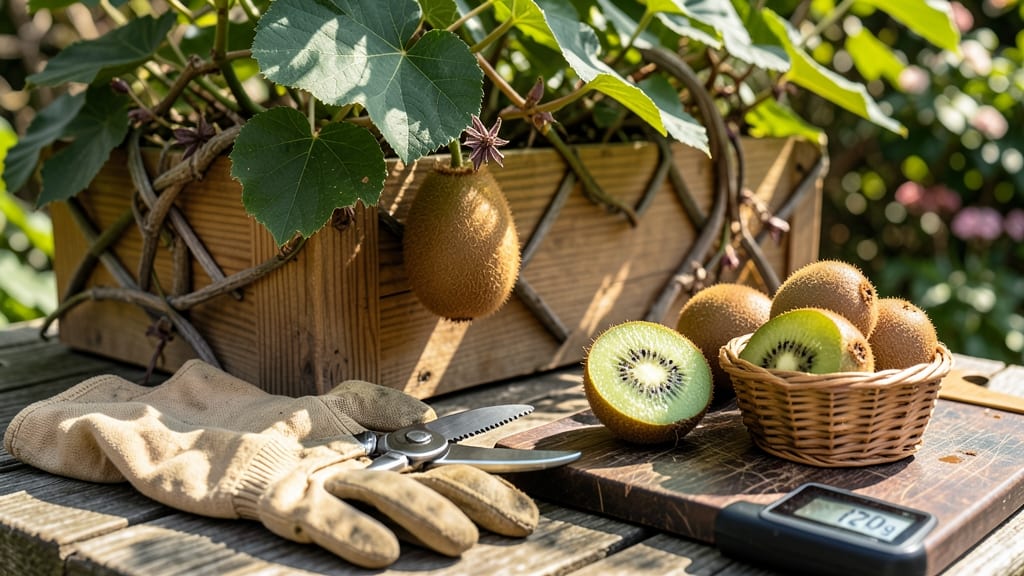
Knowing when kiwi fruit 🍈 is ripe means the difference between sweet, juicy slices and a mealy mess.
Picking a perfectly ripe kiwi can be tricky—overripe means mushy, underripe means bland—but these simple tricks will help you select the sweetest, juiciest fruit every time.
Look for skin that softens slightly when pressed, a subtle shift from bright green to brownish-gold, and a faintly sweet aroma near the stem. These cues work together to tell you the fruit is ready.
Below, I’ll walk you through 4 foolproof tests—no guesswork, just results—plus how to store them once you’ve picked the perfect ones.

4 Visual and touch tests to determine kiwi ripeness
Kiwi fruit ripens off the vine, making it tricky to judge when they're perfect for eating. Unlike many fruits, kiwis don't ripen further once picked, so timing is everything. These four foolproof tests combine sight and touch to help you pick the sweetest, juiciest kiwis every time.
First, check the skin color—green kiwis should develop a dull brownish hue when ripe, while gold kiwis turn a soft yellowish-green. This color shift signals natural sugars are developing inside. Don't rely solely on color, though, as some kiwis may stay green even when ripe.
The stem test is another reliable indicator. Gently twist the stem—if it detaches easily with a slight pull, the kiwi is ripe. A stubborn stem means it's still firm and underripe, while a mushy stem signals overripeness. This test works best when combined with the others for accuracy.
Skin texture is your third clue. Press your thumb gently into the kiwi's skin—ripe fruit should yield slightly (like a ripe avocado) but still feel firm. If the skin dents deeply, the kiwi is overripe. Underripe kiwis will feel rock-hard and spring back immediately.
| Test | Ripe Kiwi | Underripe | Overripe |
|---|---|---|---|
| Color | Dull brown (green) or soft yellow-green (gold) | Bright green (green) or pale yellow (gold) | Dark brown with spots |
| Stem | Twists off easily | Resists pulling | Detaches with no resistance |
| Texture | Yields slightly to thumb pressure | Rock-hard, no give | Mushy, dents deeply |
| Scent | Sweet, floral aroma | No scent or slight tang | Fermented or sour smell |
Finally, use your nose—a ripe kiwi should have a sweet, floral scent near the stem. If it smells tangy or fermented, it's past its prime. Sniffing is especially useful for gold kiwis, which often ripen before their color changes dramatically.
Combine all four tests for the most accurate results. For example, a kiwi with dull brown skin, a stem that twists off, slight give when pressed, and a sweet aroma is perfectly ripe.
If you're still unsure, place the kiwi in a paper bag with a banana for 24 hours—the banana's ethylene gas will speed up ripening.
Remember, kiwis won't ripen further once picked, so timing is critical. Store unripe kiwis at room temperature to ripen faster, or refrigerate ripe ones to slow down spoilage. With these tests, you'll never guess again—just pick and enjoy!
Pro tip: Buy kiwis that are slightly underripe if you need them to last longer. They'll ripen perfectly at home while still maintaining their peak flavor and texture.
Why kiwis ripen differently: varieties and storage tips
Not all kiwis ripen the same way—gold kiwis and green kiwis follow different timelines and cues. The gold kiwi variety (like Zespri Gold) softens faster and develops a sweeter, tropical flavor, while green kiwis (like Hayward) take longer to ripen and stay firmer.
Understanding these differences helps you pick the perfect fruit for your needs.
Storage conditions also play a huge role in ripening speed. Room temperature speeds up the process, while fridge storage slows it down. For example, a green kiwi left at 70°F may ripen in 3-5 days, but the same fruit in the fridge could take 2-3 weeks.
Learning how to control these factors ensures you enjoy kiwis at their peak.
🍈 Gold Kiwi vs. Green Kiwi Ripening
- Ripe faster (3-5 days at room temp)
- Softer texture when ripe
- Sweeter, tropical flavor
- Overripens quickly (becomes mushy)
- Less shelf-stable than green
- Stays firmer longer (5-7 days at room temp)
- More tart, classic flavor
- Better for storage
- Takes longer to ripen
- Can feel mealy if overripe
If you're storing kiwis to ripen slowly, place them in the crispier drawer of your fridge at 32-40°F. This mimics the cool, humid conditions kiwis thrive in when growing on the vine.
For faster ripening, store them in a paper bag with a banana or apple—these fruits release ethylene gas, which speeds up the process naturally.
Pro tip: Never refrigerate kiwis until they're fully ripe. The cold can turn their starches to sugar too quickly, making them overly sweet or even mealy. Instead, let them soften at room temperature first, then move them to the fridge to extend freshness for up to 2 weeks.
For gardeners growing kiwi vines, timing is everything. Harvest green kiwis when they're fully colored but still firm, then let them ripen off the vine. Gold kiwis, however, should be picked slightly earlier—they continue ripening faster once harvested. This balance ensures you avoid both underripe and overripe fruit.
Experiment with small batches to find your ideal ripening window. Store a few kiwis at room temperature and others in the fridge, then compare the results.
Over time, you'll develop a feel for when each variety is ready to eat—whether that's the tangy crunch of a green kiwi or the creamy sweetness of a gold.