
Fertilization
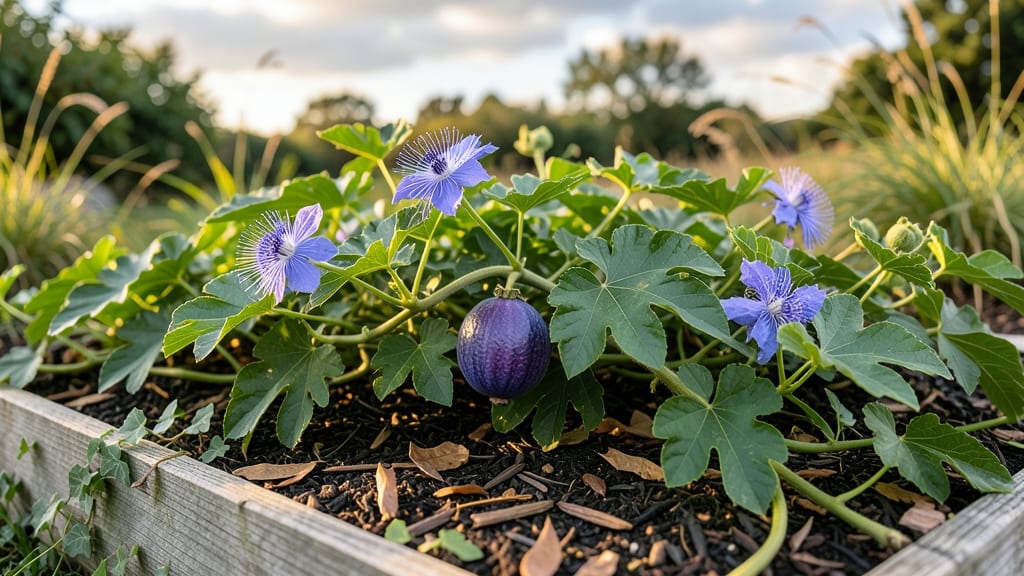
Passion fruit's color reveals its ripeness: ripe fruit shows a vibrant yellow-green, with some varieties deepening to golden tones, while unripe fruit remains pale green and overripe fruit may appear dull with brownish spots.
Passion fruit's distinctive yellow-green color comes from a mix of chlorophyll and carotenoids, which develop as the fruit matures. 🌿 The deeper golden hues in some varieties signal extra sweetness, while pale green or brownish tones mean it's either unripe or past its prime.
I always check for a slightly wrinkled skin and a sweet, tangy aroma before cutting into one—it's the best way to confirm ripeness without guessing.
What's fascinating is how sunlight affects the color transformation. More exposure speeds up the chlorophyll breakdown, intensifying those golden tones. That's why passion fruit grown in sunnier climates often have richer colors. For gardeners, this means positioning vines in full sun can improve both flavor and appearance.
If you're buying at a market, avoid fruit with uneven coloring or soft spots—these could indicate sunburn or overripeness. Instead, look for that bright, even yellow-green with just a touch of wrinkling.
The color isn't just about looks; it's your first clue to the perfect balance of tart and sweet flavors inside.
💡 In This Article
- Passion Fruit Color Science: Why Ripe Fruit Turns Yellow-Green
- How to Pick the Perfect Passion Fruit by Color
Passion fruit color science: why ripe fruit turns yellow-green
The vibrant yellow-green hue of ripe passion fruit results from a fascinating biochemical process. Chlorophyll, the green pigment responsible for photosynthesis, gradually breaks down as the fruit matures, while carotenoids—orange-yellow pigments like beta-carotene—become more prominent.
This shift creates that signature yellow-green color, which is actually a mix of both pigments working together. 💫 The exact shade can vary based on the variety, with some like the 'Golden Passion Fruit' developing deeper golden tones due to higher carotenoid concentrations.
Sunlight exposure plays a crucial role in accelerating this color transformation. When passion fruit vines receive ample sunlight, the chlorophyll degrades faster, allowing the carotenoids to shine through more intensely.
This is why passion fruit grown in tropical regions with strong sunlight often develop richer, more vibrant colors compared to those grown in cooler climates. The process also involves ethylene gas, a natural plant hormone that triggers ripening and further enhances the color shift from green to yellow-green.
Interestingly, some passion fruit varieties contain trace amounts of anthocyanins, the pigments responsible for red and purple hues in other fruits. While these don't typically produce a red passion fruit, they can contribute subtle tint variations in certain hybrid varieties.
The presence of these pigments is what gives some passion fruit a slightly deeper or more complex coloration when fully ripe. This biochemical interplay explains why passion fruit color isn't just about aesthetics—it's a direct indicator of the fruit's ripeness and flavor development.
Temperature also affects the color transformation. Passion fruit ripens best at temperatures between 68-86°F. Cooler temperatures slow down the chlorophyll breakdown, which can result in fruit that stays green longer or develops less vibrant yellow tones.
This is why passion fruit grown in high-altitude tropical regions might have slightly different color profiles compared to those grown at sea level. The ideal balance of sunlight and temperature creates that perfect yellow-green hue we associate with ripe passion fruit.
What's particularly fascinating is how the color change correlates with the fruit's internal development. As the chlorophyll breaks down, the fruit's sugar content increases, making it sweeter. This is why that vibrant yellow-green color is your visual cue that the passion fruit is at its peak flavor profile.
The science behind this color transformation makes passion fruit a perfect example of how nature uses visible cues to signal ripeness and optimal eating quality. 🌿