
Pruning
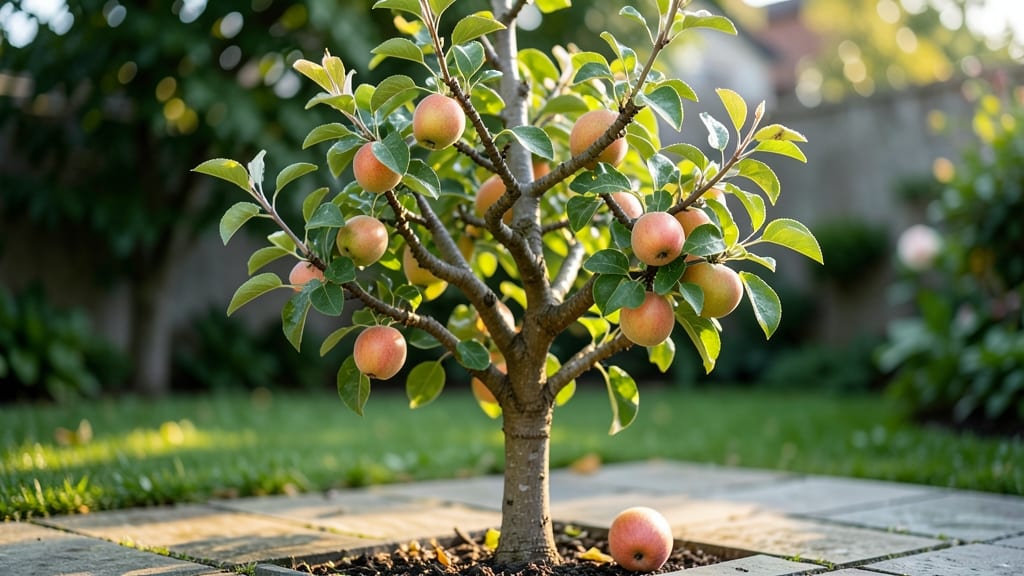
Cold climates shouldn’t mean giving up peach-like fruit. These 10 cold-hardy trees produce delicious, small peach-like fruits while thriving in northern gardens—perfect for expanding your orchard without compromising flavor or resilience.
Nanking Cherry Produces Tiny Peach-Like Fruits
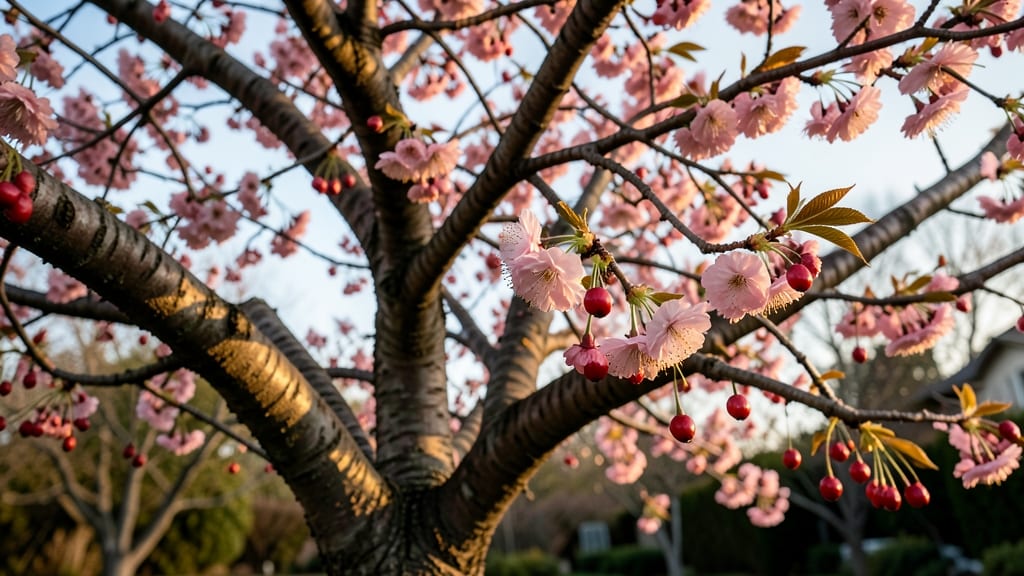
The Nanking cherry (Prunus tomentosa) might look like an ornamental showstopper with its pink spring blooms and vibrant red berries, but those berries are actually edible, tart-sweet fruits that taste like tiny peaches. This tree is a game-changer for urban gardeners and wildlife enthusiasts alike.
Thriving in USDA Zones 3-8, the Nanking cherry tolerates both cold winters and hot summers, making it one of the most adaptable small-fruit trees. Its low-maintenance care includes well-draining soil and full sun, while its compact size (15-20 feet tall) fits perfectly in small yards or containers. The fruits ripen in late summer, attracting birds and pollinators while offering you a unique harvest.
Perfect for beginners or eco-conscious gardeners, this tree delivers beauty, food, and wildlife support—all without the fuss of traditional orchards. 🌻
Hardy Peach Tree Variety 'Reliance'
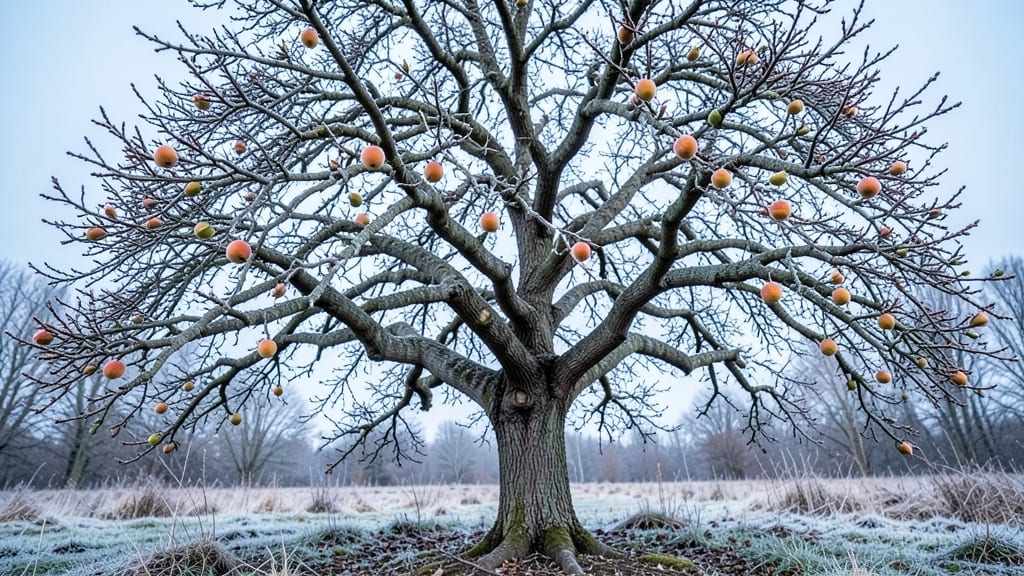
If you love peaches but live in USDA Zone 5, the 'Reliance' peach tree is your answer—this cold-hardy cultivar delivers small, sweet fruits without the fuss of traditional peach varieties.
Developed specifically for northern climates, 'Reliance' tolerates temperatures as low as -20°F, making it ideal for backyard orchards where other peaches would fail. Its low-maintenance nature means fewer pruning needs and resistance to common peach diseases, while still producing flavorful, juicy fruits about 1.5 inches in diameter. Plant it in full sun with well-draining soil, and you’ll enjoy harvests in late summer with minimal effort.
Perfect for small-space gardeners or those new to fruit trees, 'Reliance' proves you don’t need a warm climate to enjoy homegrown peaches. 🌱
Japanese Apricot Tree for Cold Climates
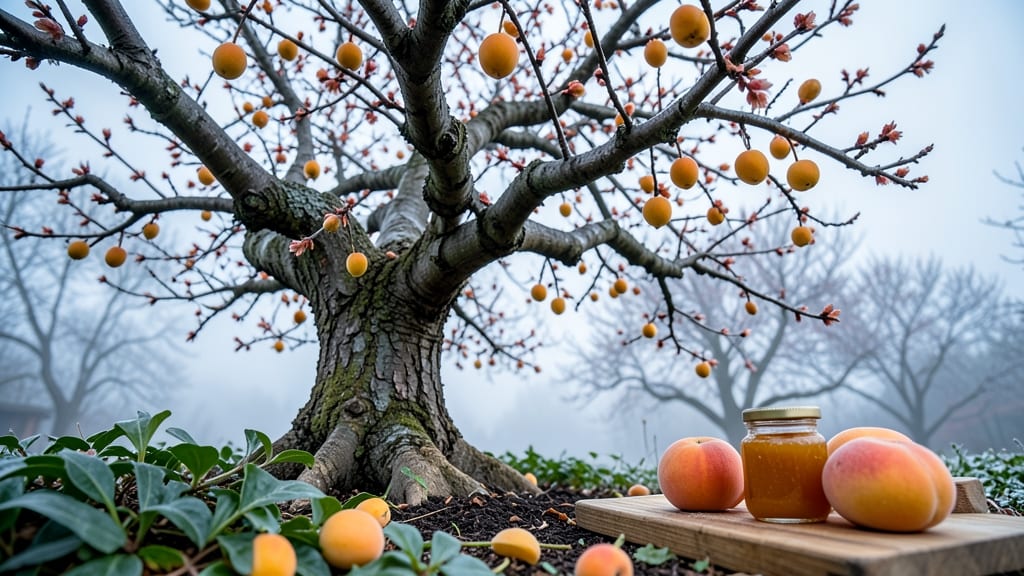
If you love peach-like flavors but live in a cold climate, the Japanese apricot (Prunus mume) is your secret weapon. Unlike traditional apricots, this frost-resistant tree thrives in USDA Zones 5-8, producing small, sweet fruits with a peach-like texture—perfect for jams, fresh eating, or sharing with pollinators.
Plant in full sun with well-draining soil, and expect blooms in early spring followed by harvests in late summer. The tree’s delicate white flowers also attract bees, making it a dual-purpose addition. Prune lightly in winter to maintain shape and encourage airflow, which reduces disease risk. 🌟
This tree is ideal for gardeners in cooler regions who want early harvests without sacrificing flavor or resilience. Its adaptability and pollinator benefits make it a standout choice for both orchards and small yards. 🌻
Plumcot Tree Produces Hybrid Peach-Plum Fruit
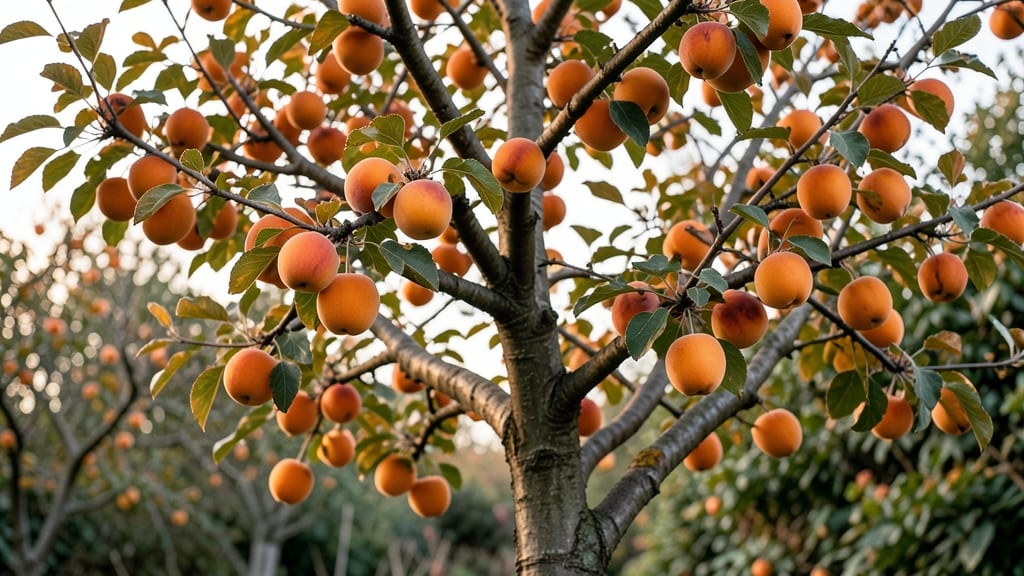
Looking for a fruit tree that combines the best of peaches and plums without the fuss? The plumcot delivers a sweet, juicy hybrid fruit that’s easier to grow than traditional peaches—especially in colder climates where frost-sensitive varieties struggle.
This cold-hardy hybrid thrives in USDA Zones 5-9, producing fruits that ripen earlier than peaches but with plum-like durability during harvest. Its minimal pest issues (compared to peaches) mean fewer sprays and more fruit for you. Plant in full sun with well-draining soil, and prune lightly in late winter to maintain an open canopy for airflow.
Perfect for small orchards or backyard gardens, plumcots reward patient growers with year-round interest—from fragrant spring blooms to vibrant fall foliage. 🌟
Dwarf Peach Tree 'Bonanza' for Containers
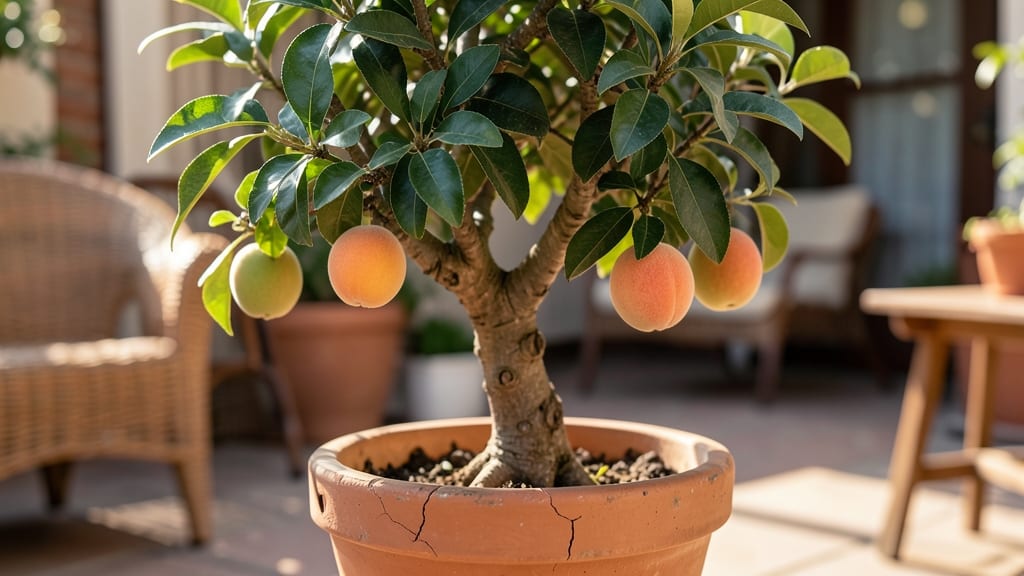
If you’ve ever dreamed of growing peaches but lack the space for a full-sized tree, the dwarf peach tree 'Bonanza' is your game-changer. This compact variety thrives in containers, making it perfect for patios, balconies, or small urban gardens where traditional trees won’t fit.
Reaching just 6-8 feet tall, 'Bonanza' produces abundant small, sweet peaches with minimal care—ideal for beginners or busy gardeners. Plant it in a 15-20 gallon pot with well-draining soil and place it in full sun (6+ hours daily). Prune lightly after harvest to encourage bushier growth and better fruiting next season.
Urban gardeners and apartment dwellers will love this low-maintenance option, as it delivers year-round interest with spring blooms, summer fruit, and autumn color. 🌻
Nectarine Tree Variety 'Redhaven' Cold-Hardy
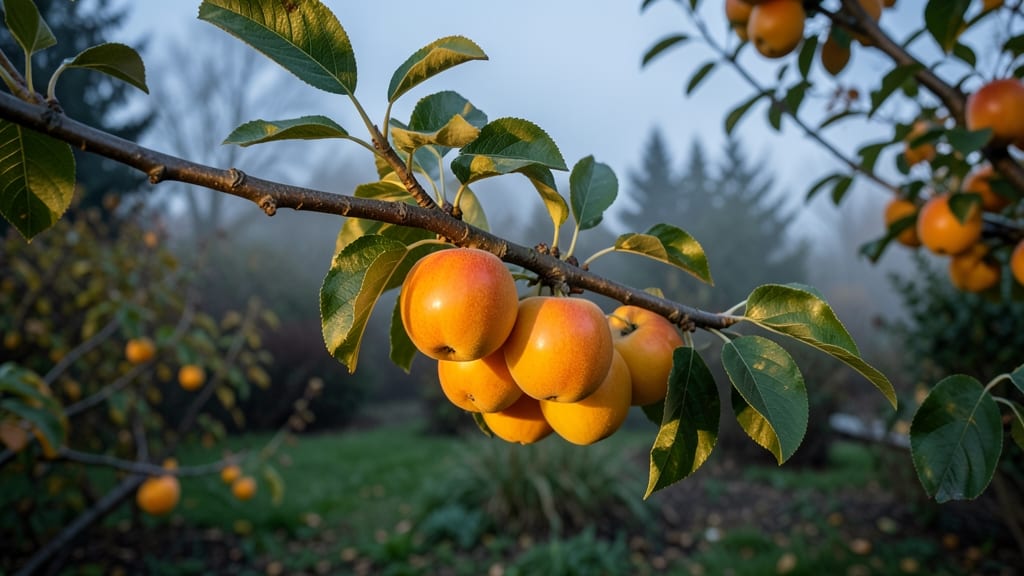
If you love peaches but live in a cooler climate, the Redhaven nectarine might be your new favorite. Unlike traditional peaches, this cold-hardy variety thrives in USDA Zones 5-9, making it ideal for northern gardeners who crave peach-like flavor without the fuss.
This smooth-skinned nectarine delivers a sweet, juicy taste similar to peaches but with fewer fuzz issues. Plant it in full sun with well-draining soil, and expect fruits to ripen in late summer. Its cold tolerance means fewer risks of frost damage compared to standard peaches, and it’s less prone to cracking.
Perfect for home orchards or small farms, the Redhaven rewards patience with abundant harvests—ideal for those who want a peach experience without the climate limitations. 🌟
Loquat Tree for Mild Northern Climates
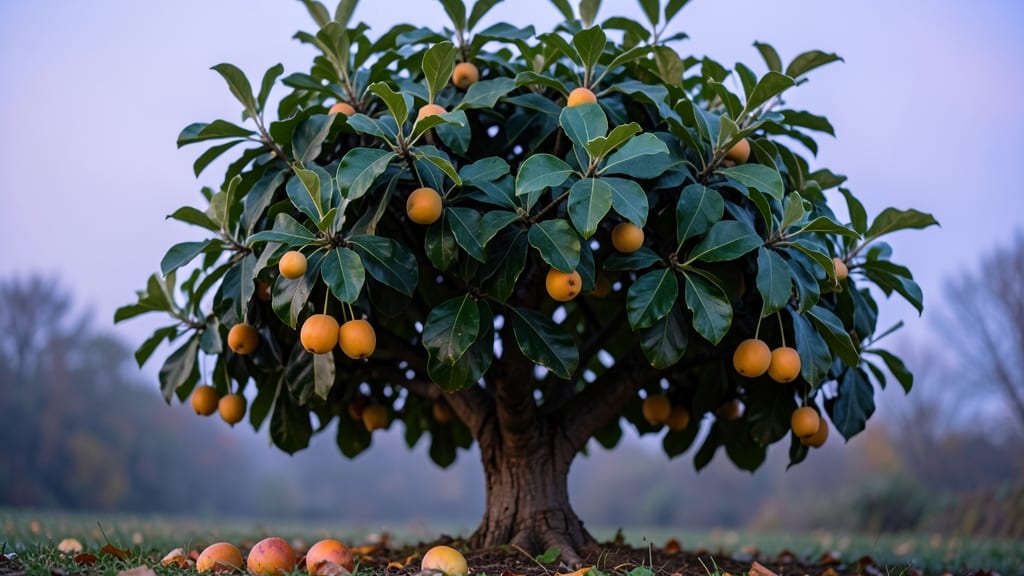
If you love peach-like flavors but live in USDA Zone 7-9, the loquat tree (Eriobotrya japonica) is your tropical-meets-temperate dream. Unlike most peach trees, it thrives in milder climates and produces small, sweet, apricot-like fruits that ripen in late fall—just when other stone fruits fade.
Loquats are surprisingly adaptable: while they prefer full sun to partial shade, they tolerate urban pollution and even coastal winds better than many fruit trees. For cooler areas, wrap the trunk in burlap or use a tree wrap in winter to protect against frost. Prune lightly in late winter to encourage an open canopy, and expect harvests in 3-5 years—though some trees fruit as early as year two!
This tree is perfect for gardeners who want year-round interest: fragrant white blossoms in winter, glossy evergreen leaves, and edible fruit that stores well for weeks. Even in cooler zones, with a little winter care, you’ll enjoy peach-like treats long after summer’s harvest ends. 🌿
Cold-Tolerant Peach Tree 'Contender'
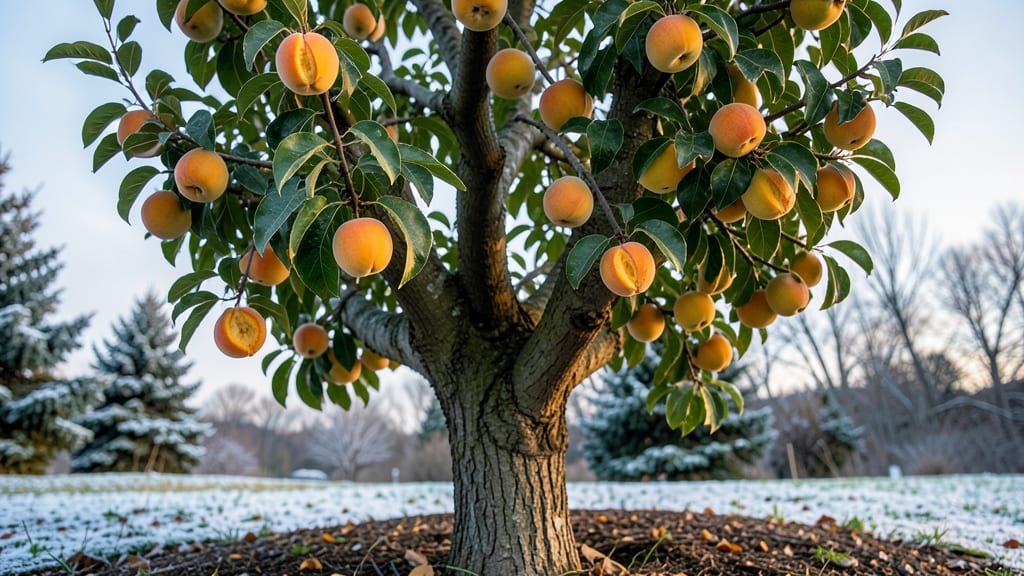
If you live in a northern climate where traditional peach trees struggle, the 'Contender' peach tree is your game-changer. Unlike delicate southern varieties, this cold-hardy cultivar was bred specifically to survive late frosts and still deliver small but intensely flavorful peaches—without the fuss of constant care.
Planting is straightforward: choose a sunny spot with well-draining soil and space it 15-20 feet apart for proper airflow. The tree thrives in USDA Zones 4-8, making it ideal for gardeners in colder regions who want peach-like fruit. Prune lightly in late winter to encourage strong growth, and watch as it resists common peach diseases like brown rot better than standard varieties.
This low-maintenance tree is perfect for first-time orchardists or those with limited space—just give it time (3-4 years) to mature before expecting a harvest. With its frost resistance and minimal care needs, you’ll enjoy homegrown peaches even in chilly climates. 🌟
Apricot-Plum Hybrid 'Flavor Grenade'
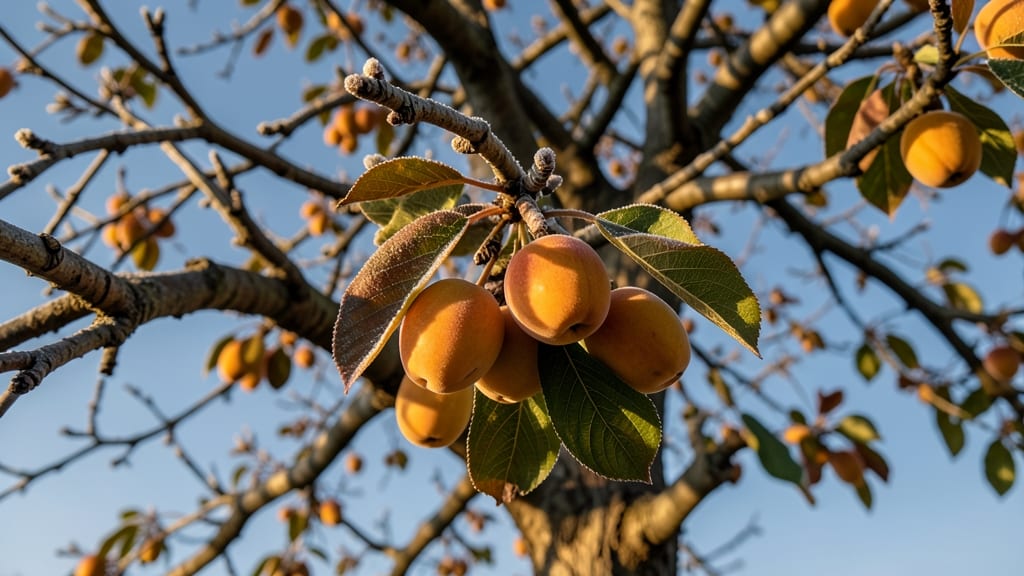
If you love the taste of peaches but struggle with cold winters, the Apricot-Plum Hybrid 'Flavor Grenade' might be your new favorite fruit tree. This unique hybrid combines the best of both worlds—peach-like sweetness with the dense texture of plums—while thriving in cooler climates where traditional peaches fail.
This cold-hardy variety handles temperatures down to USDA Zone 5, making it ideal for northern gardens. Its small, vibrant fruits ripen in late summer, offering a burst of flavor that's perfect for fresh eating or preserves. The tree itself stays compact, making it great for small orchards or mixed fruit gardens where space is limited.
Gardeners in cooler regions will appreciate its low-maintenance nature and resistance to common fruit tree pests. Whether you're a backyard grower or a small-scale orchard enthusiast, this hybrid delivers big flavor with minimal fuss. 🌻
Dwarf Asian Pear Tree 'Kieffer' for Small Spaces

If you crave peach-like flavor but lack space for a traditional orchard, the 'Kieffer' dwarf Asian pear tree is your game-changer. This compact tree produces small, round fruits with a peach-like sweetness and crisp texture, perfect for snacking or salads—all while staying under 10 feet tall.
Unlike its larger cousins, 'Kieffer' thrives in 15-gallon containers or raised beds, making it ideal for balconies, rooftops, or urban courtyards. It requires full sun (6-8 hours daily) and well-draining soil, but its shallow root system means less competition with nearby plants. Prune lightly after harvest to maintain shape and encourage next year’s fruit.
Urban gardeners and small-space growers will love this low-maintenance tree—it’s the only pear variety that truly delivers peach-like flavor without the space commitment. 🌱