
Pruning
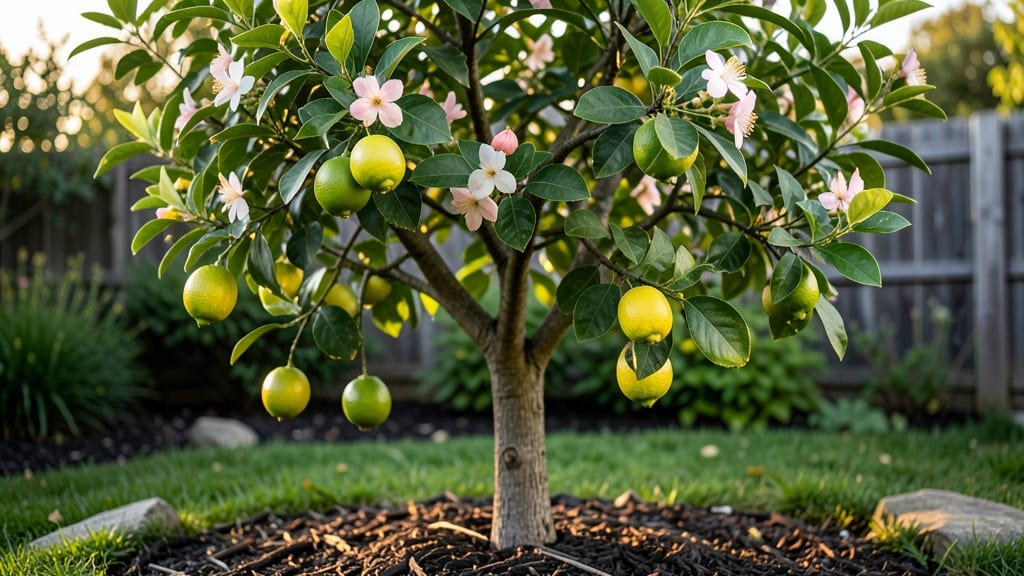
Growing Asian fruit trees like lychee or mangosteen means year-round harvests that taste like a tropical vacation. 🌿 I’ve watched my own lychee tree go from a bare sapling to a lush producer—all thanks to the right pruning timing and technique.
The key isn’t just cutting branches; it’s shaping the tree to maximize sunlight, airflow, and fruit production while keeping it healthy through seasons. You’ll need warm climates (zones 10-11) for best results, but container growing works in cooler areas if you bring them indoors during frost.
Start with well-draining soil, full sun, and space them 15-20 feet apart. Prune in late winter to remove dead wood and shape the tree, then again after harvest to encourage new growth. The payoff? Sweet, fragrant fruit for months—not just a single seasonal flush.
Once established, these trees thrive with minimal fuss. Feed them citrus-specific fertilizer in spring, water deeply but infrequently, and watch for pests like aphids. With the right care, you’ll harvest fruit year-round, even in small spaces. Let’s get that tree producing!
Popular varieties like lychee, mangosteen, and citrus hybrids each have their own quirks. Lychees need high humidity and regular pruning to prevent overcrowding, while mangosteens grow slower but reward patience with thick, juicy fruit.
Citrus hybrids (like kumquats) adapt better to cooler climates and smaller containers, making them perfect for urban gardeners. The real magic happens in pruning—it’s not just about cutting back. You’re training the tree to focus energy on fruit production.
Thin out crowded branches in late winter, then prune lightly after harvest to keep the shape open. This simple step boosts airflow, reducing disease and making fruit easier to pick.
And yes, you can grow these in containers—just use a large pot with drainage and move it indoors when temperatures dip below 40°F.
Common challenges like frost sensitivity or poor drainage are easy to fix with the right prep. Mulch heavily in winter to protect roots, and always plant in well-draining soil to avoid root rot. Pests?
A strong spray of water usually knocks off aphids, and neem oil works as a last resort. With these adjustments, your Asian fruit tree will thrive—no tropical climate required. Start small, focus on pruning, and soon you’ll be enjoying homegrown lychees, mangosteens, or citrus straight from your backyard.
The journey starts with a single cut—literally!
📚 In This Guide
- What you need
- Instructions
- Tips and common mistakes
- Wrapping up and next steps
What you need
- ● Pruning shears: Sharp, bypass-style shears (for small branches, 4–6 inches long).
- ● Loppers: For thicker branches (1–2 inches in diameter), with a longer handle for reach.
- ● Pruning saw: A curved-tooth saw for branches over 2 inches thick.
- ● Disinfectant (70% isopropyl alcohol or bleach solution): To sterilize tools and prevent disease.
- ○ Pruning sealant (optional): For large cuts (over ½ inch) to prevent sap loss.
- ● Gloves: Heavy-duty gardening gloves to protect against thorns or sap.
- ● Tree bag or tarp: To collect pruned branches for composting or disposal.
- ● Knowledge of tree anatomy: Identify water sprouts, dead wood, and crossing branches.
- ● Pruning guide: A reference (like this article!) for season-specific cuts.
- ● Ladder or step stool: For taller trees (ensure stability!).
- ● Weather check: Prune on a dry, overcast day to reduce stress on the tree.
Step-by-step instructions for pruning Asian fruit trees
Here's the method I rely on to keep Asian fruit trees productive and healthy through every season.
✂️ Step 1: Identify the Right Time to Prune
Timing matters most. For most Asian fruit trees like loquat, lychee, or longan, prune during late winter to early spring—just before new growth begins. This is when the tree is dormant but about to wake up. You'll see buds swelling along the branches as your signal it's time to start.
Never prune in fall or during fruit production. Pruning then stresses the tree and can reduce next year's harvest. If you must prune during the growing season, limit yourself to light shaping cuts—nothing major. Watch for new leaf flushes after pruning; if they appear weak or sparse, you pruned too late.
✂️ Step 2: Remove Dead, Diseased, and Crossing Branches
Start with sanitation cuts—remove any branches that are dead, diseased, or broken. These are easy to spot: they won’t have leaves, bark may be cracked or darkened, or they might have fungal growth. Cut these back to the main trunk or a healthy lateral branch. Sterilize your pruners between cuts with rubbing alcohol to prevent spreading disease.
Next, look for crossing branches—where two limbs rub against each other. These create wounds that invite pests and disease. Remove the smaller of the two branches at its base. You’ll know you’ve got this right when the tree’s canopy opens up and air circulates freely between branches.
✂️ Step 3: Thin the Canopy for Light Penetration
Step back and look at your tree’s shape. Asian fruit trees need open, airy canopies to produce fruit well. Aim to remove 20-30% of the tree’s total foliage by selectively thinning branches. Focus on overcrowded areas where branches grow too close together. Cut back to outer growth or a side shoot to encourage outward growth.
Use your hand as a guide: if you can’t see light through the canopy when standing 10 feet away, you need to thin more. Avoid "lion’s tailing"—cutting back to a stub—unless you’re pruning for size control. Instead, make cuts just above a bud or lateral branch to promote new growth in the right direction.
✂️ Step 4: Shape the Tree for Balance and Fruit Production
Now it’s time to shape the tree into a balanced, open-center form. This encourages fruit production by allowing sunlight and air to reach the center. Start by identifying the main scaffold branches—these are the largest limbs growing from the trunk. Prune any branches that grow too upright (they’ll compete with the leader) or too low (they’ll block airflow).
Make your cuts at a 45-degree angle, about ¼ inch above an outward-facing bud. This ensures new growth emerges in the right direction. If your tree is young, you can prune more aggressively to establish a strong structure. For mature trees, take your time—you’re shaping, not hacking.
⏰ Step 5: Clean Up and Monitor for Recovery
After pruning, remove all debris from the ground beneath the tree. This prevents pests and diseases from taking hold. Apply a layer of mulch (if using) around the base, keeping it 2-3 inches deep and 6 inches away from the trunk. This helps retain moisture and regulates soil temperature.
Watch the tree closely over the next 2-4 weeks. You should see new leaf buds forming within that time. If the tree looks stressed—leaves yellowing, wilting, or no new growth—you may have pruned too aggressively. Adjust next year’s pruning to be lighter. With the right cuts, your Asian fruit tree will reward you with year-round harvests and a healthier structure.
Tips & tricks for perfect Asian fruit tree pruning
These simple strategies will help you prune like a pro and keep your Asian fruit trees thriving for years to come.
Timing is Everything: The late winter to early spring window is critical because that's when your tree is transitioning from dormancy to active growth. Look for those swollen buds as your green light—this means the tree has stored enough energy to recover quickly. I’ve learned the hard way that pruning too early can leave the tree vulnerable to cold damage, while pruning too late stresses it during fruit production. If you miss this window, limit yourself to just light shaping cuts during the growing season.
Sanitation First: Always sterilize your pruners between cuts with rubbing alcohol. I’ve seen too many gardeners skip this step and end up with fungal infections spreading through their trees. For stubborn branches, make your cuts at a 45-degree angle about ¼ inch above an outward-facing bud. This simple technique ensures new growth emerges in the right direction and prevents water from pooling in the wound. Remember, clean tools mean healthier trees.
Canopy Vision Test: Step back 10 feet from your tree and look at the canopy. If you can’t see light filtering through, you need to thin more branches. Asian fruit trees thrive with open canopies that allow sunlight and air circulation. Focus on removing 20-30% of the total foliage, especially in overcrowded areas. This might sound aggressive, but trust me—your tree will thank you with better fruit production and fewer pest problems.
Pro Tips for Asian Fruit Tree
- These simple strategies will help you prune like a pro and keep your Asian fruit trees thriving for years to come.
- Timing is Everything: The late winter to early spring window is critical because that's when your tree is transitioning from dormancy to active growth.
- Sanitation First: Always sterilize your pruners between cuts with rubbing alcohol.
Frequently asked questions
Got questions about growing and pruning Asian fruit trees? You’re not alone!
Here are some of the most common queries—plus straightforward answers to help you nurture a thriving orchard.
How often should I prune my Asian fruit tree?
Prune twice a year: late winter/early spring (before buds swell) to shape the tree and remove dead wood, and summer (after fruiting) to encourage new growth. Young trees may need lighter pruning, while mature trees benefit from more aggressive shaping every 2–3 years.
Can I prune an Asian fruit tree at any time of year?
While light maintenance (like removing broken branches) can happen anytime, avoid heavy pruning in fall or winter (except in mild climates). Heavy cuts can stress the tree or invite pests. Best timing: Dormant season (late winter) and post-harvest (late summer).
Will pruning reduce my fruit yield?
Not if done right! Pruning improves fruit quality and yield by redirecting energy to stronger branches and larger fruits. Over-pruning may cut production short-term, but proper techniques (like thinning dense growth) boost long-term harvests. Focus on 30–40% reduction of weak or crossing branches.
What if my Asian fruit tree isn’t fruiting after pruning?
Check these fixes:
- Age: Some trees (like lychee or longan) take 3–5 years to bear fruit.
- Pollination: Hand-pollinate if bees are scarce (use a soft brush).
- Fertilizer: Test soil—nutrient deficiencies (like zinc or boron) can stunt fruiting.
- Pruning errors: Avoid cutting too aggressively; leave enough leaves for photosynthesis.
Are there low-maintenance Asian fruit trees for beginners?
Start with these hardy, forgiving options:
- Loquat: Thrives in warm climates, minimal pruning needed.
- Mango (dwarf varieties): Fast-growing with sweet fruit; prune to shape.
- Citrus (like calamondin): Compact, cold-tolerant, and productive.
All three tolerate occasional neglect and reward patience with delicious harvests!
Wrapping up and next steps
Growing an Asian fruit tree is a rewarding journey that combines patience, care, and a little know-how—especially when it comes to pruning! 🌿 With the right techniques, you’ll enjoy a year-long harvest of delicious, homegrown fruits like lychee, mango, or longan.
Remember, consistent pruning keeps your tree healthy, productive, and full of potential.
Ready to take the next step? Start small: observe your tree’s growth, experiment with pruning tools, and don’t hesitate to ask fellow gardeners for tips. Before you know it, your backyard will be bursting with fragrant, sun-ripened treasures! 🍑✨