
Trees
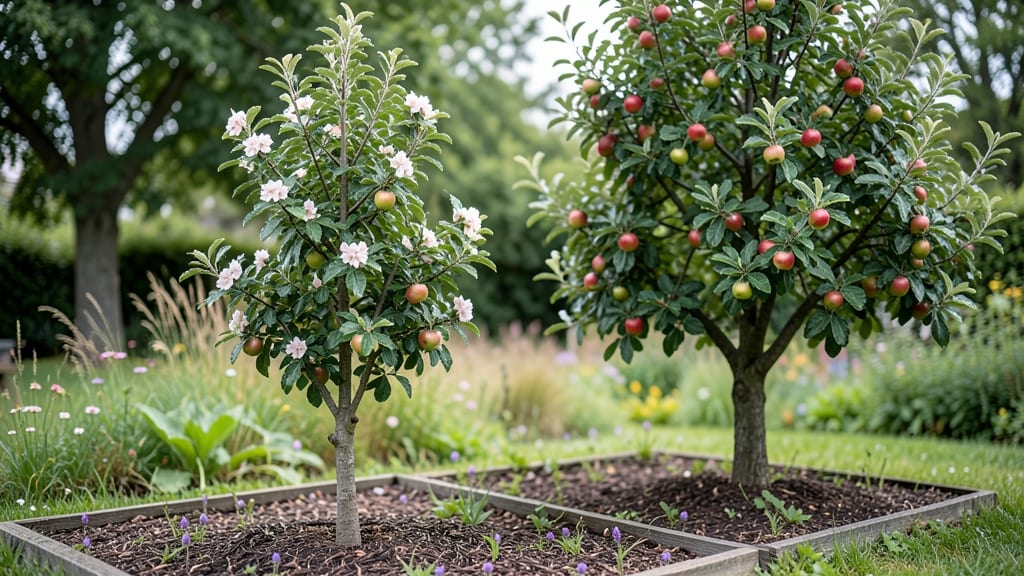
Growing small fruit trees lets you enjoy fresh apples, peaches, and cherries without needing a backyard orchard. 🌳 These compact varieties produce abundant harvests in just a few years, making them perfect for urban gardens, patios, or small yards.
I’ve grown several over the past decade, and the right selection—like dwarf apple ‘Liberty’ or columnar peach ‘Bonanza’—can yield 100+ pounds of fruit annually in a space no bigger than a parking spot.
The key to success starts with soil: these trees thrive in well-draining, slightly acidic soil with a pH between 6.0 and 7.0. Amend heavy clay or sandy soil with compost before planting, and choose a location with at least 6-8 hours of sunlight daily.
Most small fruit trees need minimal space—some even grow well in 5-gallon containers—but they still require proper airflow to prevent disease. Pruning in late winter or early spring keeps them manageable and encourages strong growth.
With consistent care, you’ll harvest fruit as early as 2-3 years after planting, and the trees will continue producing for decades. The first year focuses on establishing roots, so water deeply once a week during dry spells and mulch to retain moisture.
By year two, you’ll see blossoms—and with a little patience, you’ll be picking fruit that rivals anything from a grocery store. The best part? These trees attract pollinators and add year-round interest with their spring blooms and autumn foliage.
For beginners, start with self-pollinating varieties like ‘Patio Princess’ peach or ‘Anna’ apple, which require no cross-pollination. If space is extremely limited, consider espaliering—training trees flat against a fence or wall to save even more room.
Just remember: small trees still need regular pruning and pest monitoring, but the payoff of fresh, homegrown fruit makes it worth every effort.
📚 In This Guide
- What you need
- Instructions
- Tips and common mistakes
- Wrapping up and next steps
What you need
- ● Small Fruit Tree Varieties: Choose dwarf or semi-dwarf varieties like Apple (e.g., 'Liberty,' 'Honeycrisp'), Peach (e.g., 'Bonanza'), Cherry (e.g., 'Stella'), or Fig (e.g., 'Celeste'). Purchase 1-3 trees, depending on space and pollination needs.
- ● High-Quality Soil: 5+ gallons of well-draining potting mix or garden soil amended with compost (aim for a pH of 6.0–7.0 for most fruit trees).
- ● Containers or Planting Hole: Containers: 5-gallon pots or larger (minimum 18" diameter for mature trees). Ensure pots have drainage holes.
- ● In-Ground: Dig a hole 2–3 times wider than the root ball and just as deep.
- ● Fertilizer: Slow-release granular fertilizer (e.g., 10-10-10) or organic options like composted manure. Use 1–2 cups per tree at planting.
- ● Mulch: 2–3 inches of organic mulch (e.g., wood chips or straw) to retain moisture and suppress weeds.
- ● Watering Can or Hose: With a gentle spray nozzle for even watering.
- ● Pruning Shears: Sharp, clean shears for shaping and maintaining your tree.
- ● Tree supports (stakes or cages) for young or top-heavy varieties.
- ● Drip irrigation system for consistent watering.
- ● Fruit tree spray (organic or chemical) to prevent pests/diseases.
- ● Sunlight meter to ensure your planting spot gets 6–8 hours of sun daily.
- ● Grafting tools if you plan to propagate your own trees.
Step-by-step instructions for planting compact fruit trees
Here’s how to grow four dwarf fruit trees that deliver year-round harvests in minimal space.
🌱 Step 1: Choose the Right Varieties and Planting Sites
Select four dwarf fruit trees suited to your climate—think columnar apples, semi-dwarf peaches, or patio-friendly figs. These compact varieties stay under 6 feet tall and thrive in containers or small yards. I always pick self-pollinating types to simplify planting; no need for multiple trees of the same kind.
Find a spot with 6+ hours of direct sun daily. If your yard is shady, opt for figs or dwarf citrus—they tolerate partial shade better than apples or peaches. Dig a hole twice as wide as the root ball but only as deep as the container’s height. Loosen the sides of the hole with a shovel to encourage root spread.
🪴 Step 2: Prepare Soil and Plant Each Tree
Mix 2 inches of compost into the bottom of the hole—this boosts drainage and nutrients. For container planting, use a high-quality potting mix with added perlite to prevent waterlogging. Place the tree so the root flare (where roots meet the trunk) sits 1 inch above soil level. This prevents rot and ensures proper airflow.
Backfill with native soil or potting mix, pressing gently to remove air pockets. Water deeply until the soil settles—you’ll see the ground level drop about ½ inch. Avoid overwatering now; soggy soil smothers roots. Mulch with 2-3 inches of wood chips around the base, keeping it 6 inches away from the trunk to prevent rot.
☀️ Step 3: Water and Prune for Strong Growth
Water once a week for the first 4 weeks, then taper to every 10-14 days once established. Dwarf trees need 1-2 gallons per watering—soak the soil until it drains freely from the bottom of containers. You’ll know it’s right when the top 2 inches of soil feel dry to the touch.
Prune immediately after planting to remove any broken branches or those growing inward. Use clean, sharp pruners to make cuts at a 45-degree angle just above an outward-facing bud. This encourages an open canopy, which improves airflow and fruit production. Avoid heavy pruning in the first year—just shape lightly to avoid stress.
⏰ Step 4: Fertilize and Monitor for Year-Round Care
Apply a balanced, slow-release fertilizer (10-10-10) in early spring and again after harvest. Follow the package rate—over-fertilizing burns roots and attracts pests. For container trees, use a water-soluble fertilizer diluted to half-strength every 6 weeks during growing season. You’ll see new leaves emerge within 2-3 weeks of feeding.
Watch for aphids or spider mites on new growth. Spray with neem oil at the first sign of infestation—it’s organic and safe for fruit trees. Thin fruit when it’s ½ inch in diameter to improve size and quality. Remove every other fruit to reduce competition for nutrients. Harvest when fully ripe for the best flavor.
🌿 Step 5: Winterize and Plan for Next Year’s Harvest
Before the first frost, wrap the trunks of tender varieties (like peaches) with burlap to protect against cold damage. Water deeply 2 weeks before winter to help roots establish before dormancy. Prune again in late winter to remove dead wood and shape the tree for the coming season.
Here’s the thing—dwarf fruit trees reward patience. It takes 2-3 years for them to bear fruit, but once they do, you’ll get abundant harvests with minimal effort. Mark your calendar for next spring’s pruning and fertilizing—consistency is key to keeping these compact trees productive for decades.
Tips & tricks for perfect small fruit trees
Common pitfalls—and how to sidestep every one when growing compact fruit trees.
Variety Selection Matters: When choosing your four dwarf trees, prioritize self-pollinating varieties like columnar apples or patio figs. These eliminate the need for multiple trees of the same kind, saving you space and simplifying care. I’ve found that figs and citrus tolerate partial shade better than apples or peaches, making them ideal for shadier spots. This flexibility lets you customize your planting plan based on your yard’s sunlight patterns.
Soil Preparation Secret: The 2 inches of compost you mix into the planting hole isn’t just about nutrients—it’s about creating the perfect drainage system. For container planting, that high-quality potting mix with perlite is non-negotiable. I’ve seen roots rot when people skip this step, especially in heavy clay soils. Pro tip: Test your soil’s drainage by filling a container with water—if it drains in under 30 minutes, you’re good to go.
Watering Wisdom: Those first 4 weeks of weekly watering are crucial, but don’t just eyeball it. Use the 1-2 gallons per watering guideline and keep going until water drains freely from container bottoms. The top 2 inches of soil should feel dry before your next watering—this prevents both underwatering and root suffocation. I’ve learned this the hard way after watching roots suffocate in soggy soil.
Pruning Precision: When you’re pruning those broken branches in Step 3, always make cuts at a 45-degree angle just above an outward-facing bud. This encourages new growth in the right direction. I’ve seen people make flat cuts that leave stubs—these wounds invite disease. And remember, your first-year pruning should be light. Think shaping, not heavy cutting.
Pro Tips for Small Fruit Trees
- Common pitfalls—and how to sidestep every one when growing compact fruit trees.
- Variety Selection Matters: When choosing your four dwarf trees, prioritize self-pollinating varieties like columnar a...
- Soil Preparation Secret: The 2 inches of compost you mix into the planting hole isn’t just about nutrients—it’s about...
Frequently asked questions
Got questions about growing and enjoying small fruit trees? You’re not alone! Here are answers to the most common queries to help you get started with confidence.
What are the best small fruit trees for beginners?
Start with easy-to-grow varieties like dwarf apple (e.g., 'Liberty' or 'Golden Delicious'), patio peach (like 'Bonanza'), or columnar pear (e.g., 'Old Home'). These require minimal space and are forgiving for new gardeners. Look for "dwarf," "semi-dwarf," or "columnar" labels in nurseries!
How long does it take for small fruit trees to bear fruit?
Most small fruit trees produce fruit within 2–5 years, depending on the variety and care. Dwarf apples and peaches often fruit sooner (2–3 years), while some cherries or plums may take a little longer. Patience pays off—healthy trees reward you with harvests for decades!
Can small fruit trees grow in containers or cold climates?
Yes! Many small fruit trees thrive in large containers (at least 15–20 gallons) with proper drainage. For cold climates, choose hardy varieties like dwarf apple ('Enterprise') or columnar cherry ('Stella'). Use mulch, windbreaks, and move pots indoors during extreme freezes if needed.
How do I protect small fruit trees from pests and diseases?
Prevent issues with regular pruning (remove dead branches), organic sprays (neem oil for pests), and proper spacing (to improve airflow). Watch for common pests like aphids or borers—early action keeps trees healthy. Dwarf varieties are generally resilient but still need vigilance!
Can I grow multiple small fruit trees together in one yard?
Planting compatible pollinators (e.g., two apple trees of different varieties) ensures better fruit set. Space them 6–10 feet apart (closer for columnar types). Just avoid overcrowding—small trees still need room to grow and access to sunlight. Mixing varieties adds diversity to your harvest!
Wrapping up and next steps
Small fruit trees are a game-changer for home gardeners—packing big flavor into tiny spaces while offering year-round harvests with minimal fuss! 🌱 Whether you’re drawn to dwarf citrus, peach trees, or berry bushes, these compact varieties prove that great yields don’t require a sprawling yard.
With the right care, you’ll enjoy fresh, homegrown fruit for snacks, jams, or even homemade desserts.
Ready to transform your balcony or backyard? Start by picking a variety that thrives in your climate, then grab your tools and get planting! 🌟 Next up: Share your harvest on social media or experiment with a new recipe—because nothing beats the taste of fruit you grew yourself.