
Vegetables
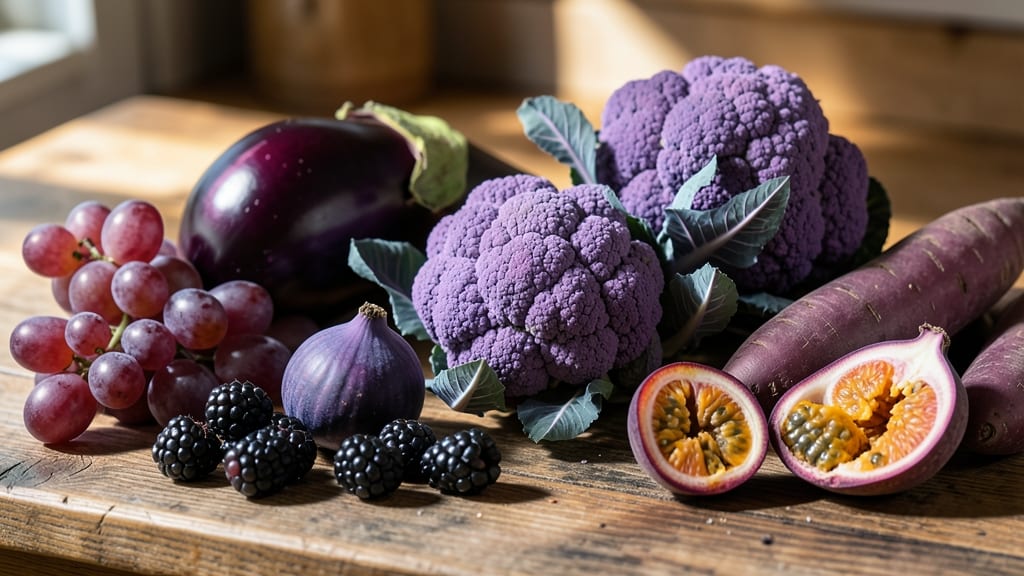
Your garden deserves a vibrant purple splash—these 15 edible and ornamental purple fruits and vegetables names bring drama to plates and landscapes alike. 🌿 From deep purple cabbage to striking eggplants, these plants thrive with minimal fuss and reward you with bold colors and rich flavors.
Most purple produce loves full sun (6+ hours daily) and well-draining soil, though some like red cabbage tolerate partial shade. Spacing varies: eggplants need 2-3 feet apart, while purple carrots can crowd 1-2 inches between plants.
The key is consistent moisture—purple varieties often have thinner skins that dry out faster. You’ll harvest everything from sweet purple potatoes (great roasted) to purple cauliflower (nutrient-packed) and even blackberries with deep purple hues. These plants also make stunning cut flowers—try purple basil or ornamental peppers in arrangements.
Perfect for beginner-friendly gardens or experienced growers looking to expand their palette. Each variety links to full care guides, so you can dive deeper into the ones that catch your eye!
📚 In This Guide
- What you need
- Instructions
- Tips and common mistakes
- Wrapping up and next steps
What you need
- ● Purple fruits & veggie seeds or seedlings: 15+ varieties (e.g., eggplant, purple sweet potatoes, blackberries, red cabbage, or purple tomatoes). Check seed packets for specific quantities.
- ● Well-draining potting soil: 10-20 lbs (or enough to fill containers/garden beds). Opt for organic soil with compost for nutrient-rich growth.
- ● Containers or garden beds: For seedlings: 4-6" pots (1 per plant) or seed trays.
- ● For mature plants: 5-gallon containers or in-ground beds (12"+ spacing between plants).
- ● Fertilizer: Balanced organic fertilizer (10-10-10 or compost tea) to boost growth. Follow label instructions for application rates.
- ● Watering can or hose: With a gentle spray nozzle for seedlings.
- ● Gardening tools: Trowel (for planting)
- ● Pruners (for trimming)
- ● Gloves (to protect your hands)
- ● Mulch: Straw or wood chips to retain moisture and suppress weeds.
- ● Grow lights: LED lights for indoor seedlings (12-16 hours/day).
- ● Trellis or stakes: For vining plants like purple beans or eggplants.
- ● pH test kit: To ensure soil pH is ideal (most purple veggies prefer 6.0-7.0).
- ● Pest control: Neem oil or companion plants (e.g., marigolds) to deter pests.
How to incorporate purple fruits and vegetables into your garden design
These bold, deep-hued plants aren't just visually striking—they pack nutritional punch too.
🌱 Step 1: Select Varieties That Thrive in Your Climate
Start with purple cabbage, red-purple kale, and black carrots—these handle cooler temperatures beautifully. For warm climates, prioritize purple sweet potatoes, eggplant varieties like 'Rosa Bianca', and purple tomatoes like 'Indigo Rose'. Check your USDA hardiness zone to match plants with your growing season.
I always cross-reference seed packets with my local frost dates. Purple varieties often have slightly different heat tolerances than their green counterparts. For example, purple okra thrives in zones 7-11, while regular okra extends to zone 5.
☀️ Step 2: Plan for Sunlight and Soil Requirements
Most purple vegetables need 6-8 hours of direct sun daily, though some like purple basil tolerate partial shade. Amend your soil with compost to ensure pH 6.0-7.0—purple cabbage and kale especially appreciate slightly acidic conditions. I mix in 2-3 inches of compost before planting to boost anthocyanin production, which intensifies those rich colors.
For container growing, choose 1-gallon pots minimum for root crops like purple sweet potatoes. The deeper the pot, the better the drainage—which prevents root rot that can dull those vibrant hues.
🌿 Step 3: Plant for Visual Impact and Harvest Timing
Arrange purple plants with green or yellow neighbors to make colors pop. Try pairing purple bush beans with yellow squash or black carrots with white cauliflower. Space plants 12-18 inches apart to allow airflow and prevent fungal issues that can discolor leaves.
Harvest purple vegetables at peak color for maximum flavor and visual appeal. Purple cabbage reaches its deepest hue when heads are firm but still tender, usually 70-80 days after planting. For black carrots, pull when tops are 4-5 inches tall—waiting too long makes them bitter.
✂️ Step 4: Maintain Color Through Proper Care
Water consistently to prevent stress that can fade anthocyanins. Drip irrigation works best—it delivers moisture directly to roots without wetting foliage, which reduces disease risk. I water early morning to give leaves time to dry before evening humidity sets in.
Fertilize lightly with balanced organic fertilizer (10-10-10) every 4-6 weeks. Too much nitrogen promotes leafy growth at the expense of those stunning purple pigments. For extra vibrancy, add a handful of wood ash (sparingly!) to raise soil pH slightly—this enhances anthocyanin production in many varieties.
💧 Step 5: Extend the Season with Succession Planting
Stagger plantings every 2-3 weeks to enjoy purple produce from early summer through fall. Purple basil and red-purple lettuce grow quickly—sow fresh seeds every 3 weeks for continuous harvests. In cooler climates, use row covers to protect tender plants like purple tomatoes until nighttime temperatures stay above 55°F.
Save seeds from your best purple varieties to maintain color intensity year after year. Purple tomatoes and eggplants produce seeds easily—just allow a few fruits to fully ripen before harvesting seeds. Store them in a cool, dry place until next season's planting.
Tips & tricks for stunning purple garden varieties
Want your garden to pop with color and nutrition? These pro tips will help you grow the most vibrant purple plants possible while avoiding common pitfalls.
Color Intensity Secret: The key to those deep, rich purples lies in the soil pH. For varieties like purple cabbage and red-purple kale, aim for a slightly acidic soil (pH 6.0-7.0). I test my soil every spring and add a handful of wood ash (sparingly!) to boost that pH just enough to intensify anthocyanin production. This is what makes those purple hues truly stand out—especially when paired with white cauliflower or yellow squash in your garden layout.
Light Management: While most purple vegetables thrive in 6-8 hours of direct sun daily, some like purple basil can handle partial shade. If you notice leaves fading or turning green, they might need more sun. For container plants like purple sweet potatoes, ensure your pots are at least 1-gallon minimum with excellent drainage—root rot can dull those vibrant colors faster than you'd think. I always use terracotta pots for these because they wick away excess moisture better than plastic.
Harvest Timing: Timing your harvest is everything for peak color and flavor. For black carrots, pull them when the tops reach 4-5 inches tall—waiting too long makes them bitter and dulls the purple. With purple cabbage, harvest when heads are firm but still tender, usually 70-80 days after planting. I mark my calendar with these dates so I don't miss the window. The difference between a vibrant purple and a washed-out green is literally days in the ground.
Season Extension: Don't let cooler weather limit your purple garden. Use row covers to protect tender plants like purple tomatoes until nighttime temperatures stay above 55°F. I've extended my growing season by weeks this way, especially for varieties that take longer to mature. For quick harvests like purple basil and red-purple lettuce, succession planting every 3 weeks ensures you always have fresh, colorful greens ready to pick.
Pro Tips for Purple Fruits And Vegetables Names
- Want your garden to pop with color and nutrition?
- Color Intensity Secret: The key to those deep, rich purples lies in the soil pH.
- Light Management: While most purple vegetables thrive in 6-8 hours of direct sun daily, some like purple basil can handle partial shade.
Frequently asked questions
Got questions about purple fruits and vegetables? You’re not alone! Here are some of the most common queries—plus quick, easy answers to help you grow (or enjoy) these stunning plants with confidence.
What are the easiest purple fruits and vegetables to grow for beginners?
Start with eggplants, red cabbage, or blackberries—they’re hardy, fast-growing, and forgiving. Swiss chard (like Ruby Red) is another great pick because it thrives in partial shade and produces edible stems and leaves. For fruits, elderberries and blueberries (some varieties have purple hues) are low-maintenance and delicious!
How can I use purple fruits and vegetables in meals?
Get creative! Roast eggplant or purple sweet potatoes for a smoky side dish, blend blackberries into smoothies, or toss red cabbage into stir-fries for a crunchy, colorful twist. Purple carrots add vibrancy to salads, and blue corn can be ground into flour for tortillas or used as a snack. Pro tip: Pair purple veggies with greens to make dishes pop!
When is the best time to harvest purple fruits and vegetables?
Harvest leafy greens (like purple kale) when young for tender leaves, but let them mature for deeper color. Eggplants and tomatoes (like Indigo Rose) are ready when firm and fully colored. Berries (e.g., blackberries, elderberries) should be plump and easy to pick—wait until they’re fully purple/black and slightly soft to the touch. Morning harvests prevent wilting!
Why do some purple fruits and vegetables turn green or brown after cutting?
This is usually oxidation—exposure to air triggers enzymes that change colors. To prevent it, rinse and dry produce immediately after cutting, then store in airtight containers with a splash of water or lemon juice. For eggplants or purple cabbage, soaking in cold water for 10 minutes before cooking can help preserve their hue. Freezing also works for long-term storage!
Can I grow purple fruits and vegetables in containers or small spaces?
Dwarf eggplants, bush beans (like Purple Teepee), and compact blueberry bushes thrive in pots. Even herbs like purple basil or microgreens (e.g., purple radish sprouts) grow well in shallow containers. Just ensure containers have drainage holes and use lightweight potting soil. Vertical gardening with trellises works for vining plants like purple pole beans!
Wrapping up and next steps
From eggplants to blackberries, purple fruits and vegetables aren’t just a feast for the eyes—they’re packed with nutrients and flavor! 🌈 These vibrant varieties can transform your garden into a colorful masterpiece while boosting your health.
Whether you’re a seasoned gardener or just starting out, adding these gems to your plot is a game-changer.
Ready to dive in? Start small—pick 1-2 varieties to try this season! Grab your gardening gloves, sketch a layout, and let your creativity (and taste buds) run wild. Happy planting! 🌱