
Companion Plants
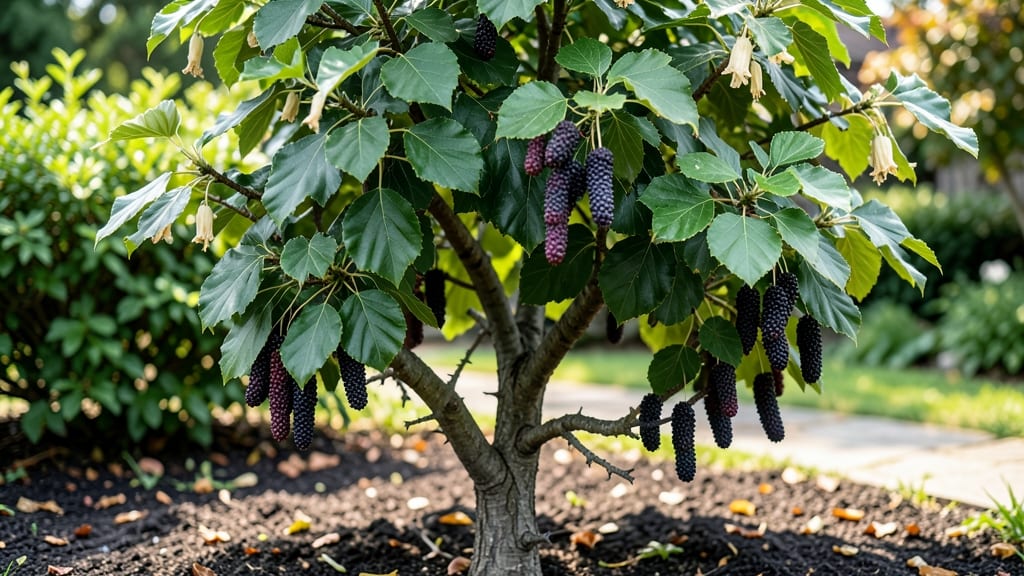
Growing black-fruited plants transforms your yard into a dark berry paradise with minimal fuss. 🌿 Blackberries, elderberries, and currants thrive in partial shade—ideal for fences, trellises, or even containers—producing rich, antioxidant-packed fruit that stores beautifully.
My first harvest of black raspberries last summer yielded enough jam to fill six jars, proving how rewarding these shade-loving vines can be.
The secret lies in their adaptability: these plants tolerate morning sun and afternoon shade, making them perfect for urban gardens or spots where full sun isn’t an option.
Well-draining soil rich in organic matter keeps roots happy, while regular pruning (just 10 minutes a month) ensures strong growth and abundant fruit production. Varieties like 'Black Diamond' blackberries or 'Concorde' grapes handle humidity and cooler climates better than most.
By late summer, you’ll be picking clusters of deep, glossy berries that burst with flavor—far superior to store-bought. The vines also attract pollinators and beneficial insects, creating a mini ecosystem in your garden.
With the right care, these plants reward you for years, producing fruit even in partial shade conditions where other crops might struggle.
Whether you’re a beginner or a seasoned grower, these shade-tolerant vines deliver low-maintenance, high-reward results. Let’s get your black fruit harvest started—your taste buds (and freezer) will thank you.
Understanding Dark Fruit Discoloration
When your shade-tolerant vines produce black fruit instead of their usual rich, vibrant hues, it’s often a sign that something’s off—whether it’s environmental stress, nutrient imbalances, or even pest pressure.
While black fruit isn’t always harmful (some varieties naturally darken as they ripen), sudden or uncharacteristic darkening can indicate deeper issues. Let’s break down the most common culprits and why they turn your harvest into an inky mystery.
Fruit discoloration is often tied to how your plant handles its environment. Extreme heat or cold can disrupt enzymatic activity, leading to oxidation (the chemical reaction that causes browning). Here’s how it plays out:
- Cold Stress: Temperatures below 50°F (10°C) can slow down ripening enzymes, causing premature darkening. If your vine is in a frost-prone area, blackening may occur before the fruit is fully mature.
- Heatwave Damage: Sudden spikes above 90°F (32°C) can scorch fruit, triggering a defensive response that turns pigments black. Thin-skinned varieties (like some Solanum species) are especially vulnerable.
- Humidity Fluctuations: High humidity without airflow promotes fungal growth (e.g., Alternaria or Botrytis), which can cause blackened, mushy spots. Low humidity, meanwhile, dries out fruit, making it prone to cracking and oxidation.
Actionable Fix: Monitor your microclimate with a hygrometer and soil thermometer. Use shade cloth (30-50% coverage) to moderate heat, and ensure 6-8 hours of indirect light daily to balance ripening.
Water is the lifeblood of fruit development, but imbalances can turn your harvest into a science experiment gone wrong. Here’s how hydration affects color:
| Issue | Why It Causes Black Fruit | Solution |
|---|---|---|
| Overwatering | Excess moisture dilutes soil nutrients, starving the plant of magnesium and calcium. This leads to blossom-end rot (black, leathery patches) and fungal infections like Phytophthora. | Let the top 2 inches of soil dry between waterings. Improve drainage with perlite or compost. |
| Underwatering | Stress from drought triggers ethylene production, a hormone that accelerates ripening—and sometimes darkening—before the fruit is ready. Cells also collapse, exposing flesh to air and oxidation. | Water deeply 2-3 times per week (adjust for clay vs. sandy soil). Use mulch to retain moisture. |
| Inconsistent Watering | Fluctuating moisture levels cause cellular stress, leading to uneven pigment distribution. Fruit may develop black streaks or patches. | Stick to a consistent schedule and use drip irrigation for steady delivery. |
Pro Tip: 💡 If your plant’s leaves curl upward (a sign of underwatering) or yellow at the edges (overwatering), adjust immediately. Black fruit from water stress often appears 3-5 days after the problem starts.
Pathogens love shade-tolerant vines—especially when conditions are perfect for them (warm, humid, and damp). These invaders don’t just discolor fruit; they can ruin entire harvests. Here’s what to watch for:
- Anthracnose (Colletotrichum): Causes sunken, black lesions with a pink or orange halo. Thrives in wet foliage and is common on passionfruit and blackcurrants.
- Botrytis Blight (Botrytis cinerea): Produces fuzzy, black mold on overripe or damaged fruit. Spreads rapidly in high-humidity greenhouses.
- Bacterial Spot (Xanthomonas): Creates oily, black scabs that ooze when pressed. Worsens in warm, rainy conditions.
Prevention & Treatment:
- ✨ Copper fungicide (e.g., Bordeaux mix) applied every 2 weeks during humid seasons.
- 🌡️ Improve airflow by pruning dense foliage and spacing plants 3-4 feet apart.
- 🔪 Remove infected fruit immediately and sterilize pruners with rubbing alcohol.
Black fruit can sometimes be a cry for help from your plant’s roots. While most deficiencies cause yellowing or spotting, some lead to darkening—especially when secondary nutrients are missing. Here’s the breakdown:
| Nutrient Issue | Symptoms on Fruit | How to Fix |
|---|---|---|
| Magnesium Deficiency | Black or brown blossom-end rot (common in tomatoes and eggplants). | Apply Epsom salt (1 tbsp/gallon of water) every 4 weeks. |
| Calcium Deficiency | Black, leathery patches that crack easily. | Use calcium nitrate (1 tsp/gallon) or crushed eggshells in soil. |
| Potassium Toxicity | Dark, rubbery fruit with stunted growth (too much potassium blocks calcium uptake). | Flush soil with water to leach excess salts. Avoid high-potassium fertilizers. |
| Manganese Toxicity | Black or brown speckling on fruit (common in acidic soils). | Raise soil pH to 6.0-6.8 with lime. |
Soil Test First: 🌱 Before guessing, test your soil’s pH and nutrient levels with a home kit or lab analysis. Shade-loving plants like blackberries or kiwiberries thrive in slightly acidic soil (pH 5.5-6.5)
Fixing Common Black Fruit Plant Issues
Black fruit-bearing vines like blackberries, elderberries, or mulberries are a gardener’s dream—but they’re not without their challenges. Whether your plants are struggling with poor fruit production, pests, or environmental stress, these practical solutions will help you revive your vines and ensure a bountiful harvest.
Below, we’ve mapped common problems to step-by-step fixes, along with prevention tips to keep your plants thriving year-round.
Cause: Insufficient sunlight, improper pollination, or nutrient deficiencies.
How to Fix It:
- Boost Sunlight Exposure 🌞
- If your vine is in deep shade, gradually move it to a sunnier spot (6+ hours of light daily). Use a reflective surface (like white sheets) to redirect light if needed.
- Prune nearby trees or structures blocking sunlight.
- Hand-Pollinate (If Needed) 🐝
- Some black fruit plants (like elderberries) benefit from gentle shaking of branches during bloom to encourage cross-pollination. Use a small brush to transfer pollen between flowers if bees are scarce.
- Fertilize for Fruit Development 🌱
- Apply a balanced fertilizer (10-10-10) in early spring, then switch to a low-nitrogen, high-phosphorus formula (like 5-10-10) when flowers appear.
- Organic option: Mix compost, banana peels (potassium-rich), and crushed eggshells (calcium) into the soil.
Prevention Tips: ✔ Choose the right location—most black fruit vines thrive in partial shade to full sun. ✔ Plant companion flowers (like lavender or marigolds) to attract pollinators. ✔ Test soil pH—aim for 6.0–6.5 (use sulfur to lower or lime to raise if needed).
Cause: Overcrowded plants, weak vines, or lack of natural predators.
How to Fix It:
- Manual Removal (Best for Small Infestations) 🪰
- Aphids: Spray with a strong stream of water to dislodge them, then wipe leaves with soapy water (1 tsp mild soap per quart of water).
- Japanese beetles: Handpick and drop into soapy water (they’re easiest to spot in the morning).
- Natural Repellents 🌿
- Neem oil spray (1 tbsp neem oil + 1 tsp dish soap + 1 quart water) applied every 5–7 days deters pests and prevents reinfestation.
- Diatomaceous earth (food-grade) around the base of the plant dries out mites and beetles (reapply after rain).
- Introduce Beneficial Insects 🐞
- Ladybugs (for aphids) or praying mantises (for beetles) can be purchased online or attracted with dill or fennel plants.
Prevention Tips: ✔ Prune for airflow—remove dense, tangled growth to reduce hiding spots. ✔ Mulch with crushed garlic or chili peppers as a deterrent. ✔ Encourage birds (like robins) by adding a birdbath—they love snacking on beetles!
Cause: Frosts, improper pruning, or insufficient insulation.
How to Fix It:
- Protect Young Vines 🛡️
- Mound soil or mulch (6–12 inches) around the base before the first frost to insulate roots.
- Wrap canes with burlap or frost cloth and secure with twine.
- Prune Strategically in Late Winter ⏰
- Wait until after the last frost to prune dead wood. Cut back 1/3 of the oldest canes to encourage new growth.
- Never prune in fall—this invites disease.
- Choose Cold-Hardy Varieties ❄️
- If your climate is harsh, opt for elderberries (Zone 3–8) or mulberries (Zone 5–9) over heat-sensitive blackberries.
Prevention Tips: ✔ Plant in a sheltered spot (near a south-facing wall or fence). ✔ Use row covers in early spring if late frosts are common. ✔ Water deeply before winter to help roots withstand freezing.
Cause: Poor drainage, soggy soil, or overzealous watering.
How to Fix It:
- Improve Drainage 🚿
- Amend heavy clay soil with compost and perlite (50/50 mix).
- Raise beds if your yard floods—plant in mound-shaped hills for better runoff.
- Adjust Watering Habits 💦
- Water deeply 1–2 times per week (instead of daily shallow watering) to encourage deep roots.
- Stop watering 2 weeks before harvest—wet fruit attracts mold.
- Fungal Treatment (If Needed) 🍄
- If roots smell rotten, treat with hydrogen peroxide (3%) (1 part peroxide to 10 parts water) to kill pathogens.
Prevention Tips: ✔ Test soil moisture—stick your finger 2 inches deep; water only if dry. ✔ Avoid overhead sprinklers—use drip irrigation to keep leaves dry. ✔ Plant in well-draining soil—black fruit vines hate soggy feet!
Cause: Nutrient deficiency, compacted soil, or root-bound plants.
How to Fix It:
- Feed with Organic Matter 🍂
- Spread 2–3 inches of compost around the base in spring and fall.
- Epsom salt (1 tbsp per gallon of water) can fix magnesium deficiency (yellow leaves with green veins).
- Loosen Compacted Soil 🪓
- Use a broadfork to aerate soil without disturbing roots. Add sand or coconut coir if soil is too dense.
- Transplant if Root-Bound 🌿
- If your vine is in a pot, repot every 2–3 years into a larger container with fresh potting mix.
Prevention Tips: ✔ Mulch with straw or wood chips to retain moisture and nutrients. ✔ Rotate crops if growing in the same spot yearly (though vines benefit from permanence). ✔ Monitor for nutrient deficiencies—yellow leaves? Check for iron (chlorosis) or nitrogen (pale green).
💡 Prune in Stages – Don’t cut back all canes at once; spread it over 2–3 years to avoid shocking the plant. 🔥 Harvest at Peak Ripeness – Black fruits should be deep purple/black and slightly soft—pick in the morning for best flavor. 🌡️ Monitor Soil Temp – Roots prefer 60–70°F; use mulch in summer to keep them cool. ✨ Save Seeds for Next Year – Dry and store seeds from your best fruits for variety-specific propagation.
With these fixes, your black fruit vines should bounce back stronger than ever—ready to reward you with juicy, shade-tolerant harvests all season long! 🍇🌿
Frequently asked questions about black fruit plants
Which black fruit plants thrive in containers?
Dwarf varieties like 'Arapawa' blackcurrants or 'Oregon Evergreen' blackberries grow beautifully in 15-gallon containers with well-draining potting mix. Just ensure the pot has drainage holes and you provide 6-8 hours of sunlight daily. Mulberries (like 'Illinois Everbearing') also adapt well to containers.
How do I tell when black fruit is truly ripe?
Look for deep, glossy color (not just dark) and slight softness when gently squeezed. For berries, they should detach easily from the stem. Elderberries and currants should be fully black with no green patches. Harvest in the morning when flavors peak.
Can I grow black fruit plants from store-bought berries?
Most store-bought berries are hybridized for shelf life, not propagation. Your best bet is to buy certified organic seeds or bare-root plants from nurseries. If you want to try, save seeds from homegrown berries (like elderberries) and cold-stratify them for 60-90 days before planting.
Why are my black fruit plants not producing fruit?
Common causes include insufficient sunlight (<6 hours/day), poor pollination (try hand-pollinating with a brush), or over-fertilizing with nitrogen. Prune back overgrowth to improve airflow, and switch to a low-nitrogen, high-phosphorus fertilizer (like 5-10-10) during flowering season.
Are black fruit plants toxic to pets?
Most are safe, but elderberries contain cyanogenic glycosides (toxic in large amounts) and black nightshade berries are highly poisonous. Stick to pet-safe varieties like blackberries, mulberries, or currants. Always supervise pets around new plants until you're certain of their safety.