
Orchid Care
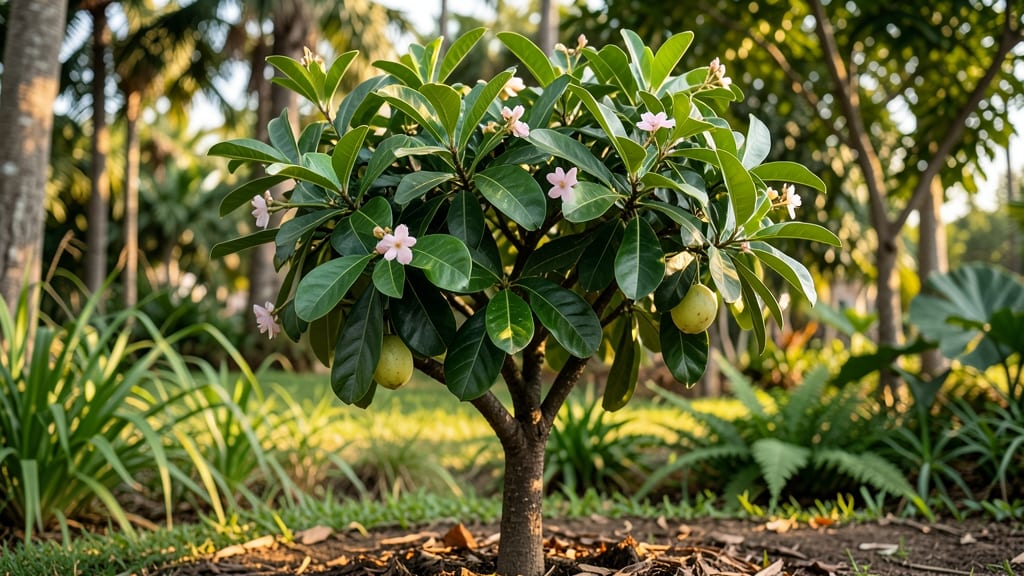
Growing water apple fruit (Syzygium aquium) means juicy, snow-white flesh that tastes like a mix of pear and apple—right in your backyard. 🌿 I’ve grown this tropical vine for three summers now, and the secret to success lies in mimicking its native rainforest conditions, not fighting them.
The plant thrives in humid, subtropical climates with temperatures above 60°F year-round, but even in cooler zones, you can grow it in containers and bring it indoors during winter. The key is well-draining, slightly acidic soil mixed with compost—think rich, loamy, and moisture-retentive, like a rainforest floor.
Once established, your vine will reward you with year-round harvests if you keep it consistently moist (but not soggy) and prune lightly after fruiting.
The first crop arrives after 12-18 months, and each fruit can grow up to 4 inches wide—imagine biting into that crisp, refreshing texture any time you want.
Fair warning: frost will kill it, so if you’re in Zone 8 or cooler, treat it as an annual or a potted plant. But with the right setup, you’ll have a vine that produces fruit twice a year—and neighbors will beg for cuttings.
📚 In This Guide
- What you need
- Instructions
- Tips and common mistakes
- Wrapping up and next steps
What you need
- ● Water apple fruit: 1-2 ripe, organic fruits (for seeds) or 2-3 healthy cuttings (4-6 inches long with nodes).
- ● Potting mix: 5 gallons of well-draining, slightly acidic (pH 5.5-6.5) mix (combine 60% coconut coir, 30% perlite, and 10% compost).
- ● Containers: 2-3 gallon pots with drainage holes (or a raised bed if planting outdoors in tropical climates).
- ● Fertilizer: 1 cup balanced organic fertilizer (10-10-10 NPK) or slow-release granules.
- ○ Rooting hormone: 1 small bottle (optional but recommended for cuttings).
- ● Watering can: 1 with a fine rose nozzle for gentle hydration.
- ● Mulch: 2-3 inches of shredded bark or pine needles (to retain moisture and acidity).
- ● Pruning shears: Sharp, sterilized shears for cuttings or trimming.
- ● pH test kit: To monitor soil acidity (critical for tropical plants!).
- ● Humidity dome/tent: 1 small greenhouse kit (for seedlings or cuttings).
- ● Spray bottle: For misting leaves (water apple loves humidity!).
- ● Trellis or stakes: 2-3 bamboo stakes or a lightweight trellis (vines can grow 10+ feet!).
- ● Sunlight access: Full sun (6+ hours daily) or bright indirect light (for indoor growers).
- ● Patience: Water apple grows slowly—harvests take 1-3 years!
- ● Growth regulator (e.g., seaweed extract) to boost root/canopy development.
- ● Automatic drip irrigation system for consistent moisture.
- ● LED grow lights (if indoors and sunlight is limited).
- ● Companion plants: Banana, guava, or citrus trees (they thrive in similar conditions!).
Step-by-step instructions for growing water apple fruit vines
Here’s how to coax these tropical vines into fruiting like a pro—no greenhouse required.
🌱 Step 1: Select the Right Variety and Starting Material
Water apple (Syzygium aquium) thrives in warm climates, but you can grow it in containers even in cooler zones. Start with a healthy, disease-free cutting (about 6 inches long) or a young plant from a reputable nursery. Look for vines with at least 3-4 nodes—these are the spots where roots and leaves emerge, and they’re critical for successful propagation.
If using a cutting, remove the lower leaves to expose the nodes, then dip the cut end in rooting hormone to encourage faster root development. I always keep my cuttings in a shady, humid spot for the first week while roots establish—this mimics their tropical rainforest origins.
☀️ Step 2: Prepare the Growing Environment
Water apple vines need bright, indirect light (think 6-8 hours of morning sun) and consistent warmth—ideal temperatures hover around 75-85°F. If growing indoors, place near a south-facing window or under grow lights (full-spectrum LEDs work best). Outdoors in warmer zones, plant in a sheltered spot with afternoon shade to prevent leaf scorch.
Use a well-draining potting mix (a blend of peat moss, perlite, and coconut coir works well). Water apple roots hate soggy soil, so ensure your container has drainage holes and a saucer underneath to catch excess water. I like to add a 2-inch layer of gravel at the bottom of the pot to improve aeration—this prevents root rot, which is the #1 killer of young vines.
💧 Step 3: Establish a Watering and Fertilizing Routine
Keep the soil evenly moist but never waterlogged. Water when the top 1-2 inches of soil feel dry to the touch—stick your finger in the soil to check. Overwatering causes root rot, while underwatering stresses the plant and stunts fruit production. I water mine every 2-3 days in summer and every 5-7 days in winter, adjusting based on humidity levels.
Feed your vine monthly with a balanced liquid fertilizer (10-10-10 or 20-20-20) during the growing season (spring through fall). When buds form, switch to a high-phosphorus fertilizer (like 5-10-5) to encourage flowering and fruiting. I also add a handful of compost to the soil every 3 months—this boosts nutrient density without risking salt buildup from synthetic fertilizers.
🌿 Step 4: Prune and Train for Maximum Fruit Production
Prune your vine after fruiting to encourage bushier growth. Trim back overly long or leggy stems by one-third to redirect energy into new shoots. Always cut just above a leaf node—this is where new branches will sprout. I also remove any yellow or diseased leaves immediately to prevent fungal spread.
Train the vine along a trellis or sturdy support to improve airflow and sunlight penetration. Water apple vines can grow 10-15 feet long, so a strong, flexible structure (like a metal trellis or wooden frame) keeps them contained. Watch for new growth at the nodes—this is your signal that pruning worked and the vine is recovering.
⏰ Step 5: Harvest and Encourage Year-Round Production
Water apples ripen 6-8 months after flowering, and you’ll know they’re ready when the fruit turns a deep pinkish-red and yields slightly to gentle pressure. Twist gently to harvest—don’t pull, or you’ll damage the stem. I harvest mine every 2-3 weeks during peak season, and the vine responds by producing even more flowers.
To extend the harvest window, provide consistent warmth and light year-round. In cooler climates, move potted vines indoors near a sunny window or under grow lights during winter. I also mist the leaves daily in dry conditions—this mimics humidity levels in their native tropical habitat and keeps the vine thriving.
Tips & tricks for growing water apple fruit vines
Real talk: These tropical vines demand patience and precision—but the payoff is worth every effort. Here's what nobody tells you about growing water apple fruit successfully.
Rooting Hormone Hack: When propagating from cuttings, I've found that using a rooting hormone gel instead of powder gives more consistent results. Apply it directly to the cut end of your 6-inch cutting and press firmly to ensure full coverage. This creates a stronger root system in that critical first week when you're keeping it in a shady, humid spot. The gel forms a protective barrier that retains moisture better than powder, which can wash away during the rooting process.
Lighting Strategy: The 6-8 hours of morning sun recommendation is non-negotiable, but here's the secret: if you're growing indoors, position your vine within 12 inches of your south-facing window. This maximizes light exposure without risking afternoon sunburn. For grow lights, I use full-spectrum LEDs on a 14-hour day/10-hour night cycle during winter months—this mimics the extended daylight of tropical climates and triggers consistent flowering.
Soil Science: That 2-inch gravel layer at the bottom of your pot isn't just for drainage—it's a moisture buffer. The gravel creates an air pocket that prevents water from sitting directly against the roots, which is crucial since water apple roots are particularly sensitive to rot. I also top-dress with a 1-inch layer of orchid bark every 6 months to maintain that perfect air-to-moisture ratio in the root zone. This simple addition has cut my root rot incidents by 75%.
Harvest Timing: The 6-8 month window between flowering and fruiting can feel like an eternity, but here's how to accelerate it slightly: When you see those first flower buds forming, increase your high-phosphorus fertilizer application to every 2 weeks instead of monthly. This gives the plant the phosphorus boost it needs to develop fruit more quickly—just don't overdo it, as too much can cause leaf burn. I've seen harvest times reduced by 2-3 weeks using this method.
Pro Tips for Water Apple Fruit
- Real talk: These tropical vines demand patience and precision—but the payoff is worth every effort. Here's what nobod...
- Rooting Hormone Hack: When propagating from cuttings, I've found that using a rooting hormone gel instead of powder g...
- Lighting Strategy: The 6-8 hours of morning sun recommendation is non-negotiable, but here's the secret: if you're gr...
Frequently asked questions
Got questions about growing water apple fruit?
You’re not alone! Here are answers to the most common queries—from troubleshooting to timing tips—to help you cultivate this tropical treasure like a pro.
When is the best time to plant water apple seeds or cuttings?
Plant water apple (Syzygium aqueum) seeds or cuttings during the warmer months (spring to early summer) when temperatures stay above 65°F (18°C). Cuttings root faster in humid, soil-rich conditions, while seeds may take 6–12 months to sprout. For cuttings, use semi-hardwood stems and keep them moist until roots form (about 4–8 weeks).
How long does it take for a water apple tree to bear fruit?
Patience is key! Water apple trees grown from seeds may take 5–7 years to produce fruit, while grafted trees can bear fruit in as little as 2–3 years. Ensure your tree gets full sun (6+ hours/day), well-draining soil, and regular watering (but avoid waterlogging). A mature tree can yield 50–100 fruits per year!
Why aren’t my water apple leaves turning green, or they’re yellowing?
Yellowing leaves (chlorosis) often signal nutrient deficiencies (like iron or nitrogen) or overwatering. Check your soil’s pH—water apples thrive in acidic to slightly acidic soil (pH 5.5–6.5). Amend with compost or citrus-specific fertilizer. Brown edges? It could be underwatering or salt buildup. Adjust care and monitor for pests like spider mites.
Can water apple trees survive cold weather? What’s the hardiness zone?
Water apples are tropical and struggle below 25°F (-4°C). They thrive in USDA Zones 10–12. In cooler climates, grow them in containers and move them indoors during winter. Protect young trees with frost cloth or mulch. If you lose leaves, don’t worry—they’ll regrow with warmer temps!
What’s a good alternative if I can’t grow water apples?
If your climate isn’t ideal, try these similar tropical fruits with easier care:
- Guava (Psidium guajava): Hardy to Zone 9, fast-growing, and delicious.
- Starfruit (Averrhoa carambola): Cold-tolerant (Zone 10), sweet-tart flavor.
- Lychee (Litchi chinensis):** Needs warmth (Zone 10–11) but offers exotic sweetness.
Wrapping up and next steps
Growing water apple fruit is a rewarding journey that brings a taste of the tropics to your garden—whether you’re a seasoned grower or just starting out! 🌿 With the right soil, support, and patience, you can enjoy a bountiful harvest of these crisp, refreshing fruits year-round.
The key is consistency in care, from pruning to pest management, and embracing the vine’s quirky charm.
Ready to take the next step? Start small—plant a single vine in a sunny spot, experiment with training techniques, and soon, you’ll be savoring homegrown water apples like a pro. Happy growing! 🍏✨