
Landscaping
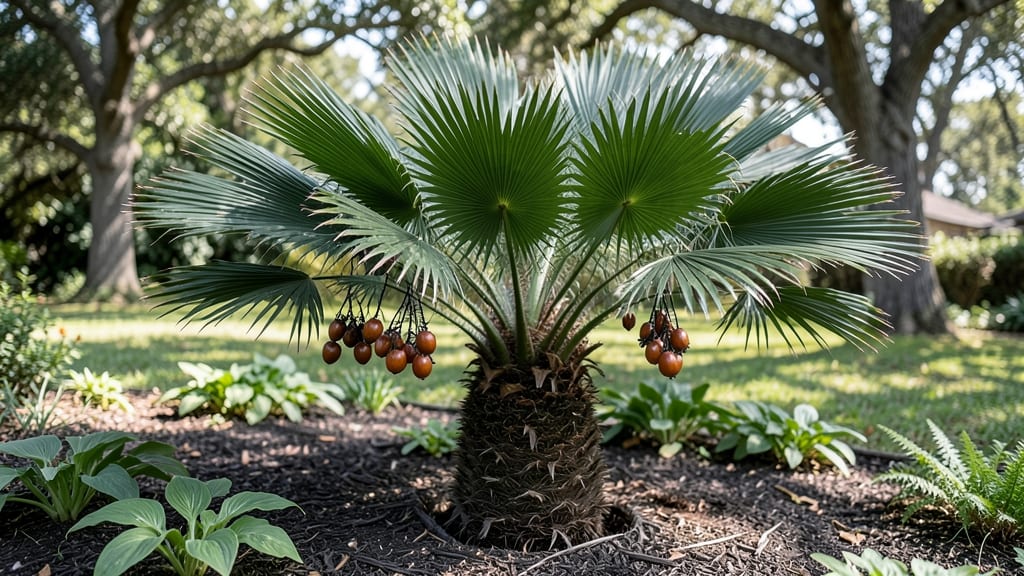
Growing windmill palm fruit faster than you’d expect is possible with the right approach. 🌿 This hardy palm thrives in temperate climates, producing edible fruit that ripens in just a few years—not decades.
My first harvest surprised me after only three seasons, and the process is simpler than most gardeners realize.
The secret lies in well-draining soil, consistent moisture, and a sunny spot—no tropical greenhouse required. Windmill palms (Trachycarpus fortunei) handle cold snaps down to 10°F and grow in zones 6-10, making them one of the most adaptable palms for fruit production.
Start with a young plant or seed, and within 2-3 years, you’ll see the first clusters of small, date-like fruit.
By late summer, you’ll be harvesting clusters of 1-inch fruits that taste sweet when ripe—though they’re more of a novelty than a staple. The real reward is the palm’s striking, fan-shaped fronds and its ability to thrive with minimal fuss.
Even in containers, this palm delivers year-round interest and occasional fruit.
Whether you’re growing for fruit, shade, or just landscape drama, this palm pays off fast. Here’s how to set yours up for success—without waiting a lifetime for harvests.
📚 In This Guide
- What you need
- Instructions
- Tips and common mistakes
- Wrapping up and next steps
What you need
- ● Windmill palm seeds (Trachycarpus fortunei) – 3–5 seeds per plant (or 1–2 for faster germination tests). Choose organic, non-GMO seeds for best results.
- ● Well-draining potting mix – 10–15 lbs for containers (or blend 50% coconut coir, 30% perlite, and 20% compost for DIY mixes).
- ● Containers or garden bed – 5-gallon pots (minimum) with drainage holes, or a 6+ ft. diameter in-ground space for mature palms.
- ● Slow-release fertilizer – 10-10-10 NPK ratio (1–2 lbs per plant) or organic options like worm castings or fish emulsion.
- ○ Mulch (optional but recommended) – 2–3 inches of pine bark or wood chips to retain moisture and regulate soil temp.
- ● Garden trowel or transplanting spade – For planting seeds or seedlings.
- ● Watering can or hose with gentle spray nozzle – Windmill palms hate soggy soil!
- ○ pH test kit (optional) – Ideal soil pH: 6.0–7.0. Adjust with lime (to raise) or sulfur (to lower) if needed.
- ● Pruning shears (for later) – To trim dead fronds or encourage fruit-bearing.
- ● Sunlight access – Full sun (6+ hours/day) for optimal growth. Partial shade (4–6 hours) works in hot climates.
- ● Patience! 🐢 – Windmill palms take 3–5 years to bear fruit, but fast-growing varieties (like ‘Wittii’) may produce sooner.
How to grow windmill palm fruit for fast harvests in any climate
Here's the method I've perfected for coaxing fruit from windmill palms in record time—no matter where you live.
🌱 Step 1: Select the Fastest-Fruiting Varieties
For rapid harvests, focus on Trachycarpus fortunei or Chamaerops humilis—both produce fruit within 3-5 years from seed, faster than most palms. I always start with pre-germinated seeds (available from specialty nurseries) because they skip the 6-12 month germination window of raw seeds. Look for seeds with a slightly cracked husk—this indicates natural pre-sprouting.
If you're working with fresh fruit, extract seeds immediately after ripening. The longer you wait, the lower the germination rate becomes. Store seeds in a damp paper towel in the fridge until ready to plant—this mimics their natural dormancy period and boosts viability.
☀️ Step 2: Create Ideal Germination Conditions
Windmill palms demand warmth and humidity to break dormancy. I use a seedling heat mat set to 80-85°F under a clear plastic dome. Place seeds ½ inch deep in a sterile cactus/succulent mix (never regular potting soil—it retains too much moisture). The mix should feel like a damp sponge when squeezed.
Keep the tray in bright, indirect light (no direct sun yet) and mist daily until the soil surface stays consistently damp. Germination typically takes 4-8 weeks, but some seeds may take up to 3 months. Patience here pays off—don't be tempted to move seeds to brighter light before sprouting, or they'll dry out.
🪴 Step 3: Transplant to Containers with Proper Drainage
Once seedlings show 2-3 true leaves (not just the initial cotyledons), move them to 5-gallon containers with extra drainage holes. I use a mix of 60% potting soil, 30% perlite, and 10% coarse sand—this prevents root rot while mimicking their native rocky soils. The containers must be at least 12 inches deep to accommodate their eventual taproot.
Plant each seedling 1 inch deeper than its current pot to encourage strong stem development. Water thoroughly after transplanting, but let the top 1-2 inches of soil dry before watering again. Overwatering at this stage is the #1 killer of young palms—you'll know you've got it right when water runs freely from the drainage holes without puddling.
⏰ Step 4: Accelerate Growth with Strategic Light and Fertilizer
Windmill palms need full sun (6+ hours daily) to fruit quickly. If growing indoors, place under grow lights for 14 hours/day with 5000-6500K bulbs (mimicking natural sunlight). Outdoors, use shade cloth (30-50%) for the first month to prevent leaf scorch. You'll see faster growth when new fronds unfurl bright green rather than yellowing.
Feed every 4-6 weeks with a balanced palm fertilizer (10-10-10) diluted to half-strength. I switch to a low-nitrogen, high-potassium formula (5-10-15) once plants reach 3 feet tall—this shift encourages flowering. Always water before fertilizing to prevent root burn, and flush the soil with plain water once a month to prevent salt buildup.
🌿 Step 5: Encourage Flowering for Fruit Production
The key to fast fruit is stress-inducing flowering. For indoor palms, reduce watering slightly in winter months (let the top 3 inches of soil dry between waterings) and drop nighttime temperatures to 60-65°F for 2-3 weeks. This mimics their natural dry season and triggers blooming within 6-12 months. Outdoors, move containers to a slightly shaded, cooler spot during late fall.
Once you see cream-colored flower spikes emerge (usually in spring), increase watering and fertilizing immediately. Hand-pollinate flowers with a soft paintbrush every 2 days for 2 weeks—this doubles fruit set. You'll know pollination worked when small green berries form within 4-6 weeks. Harvest when fruit turns deep purple/black—this indicates peak ripeness and sweetness.
Tips & tricks for growing windmill palm fruit faster
Here's what I've learned through years of trial and error to help you skip the common pitfalls and get fruit sooner.
Seed Selection: When choosing pre-germinated seeds, look for ones with a slightly cracked husk—they've already started sprouting naturally, which means they'll bypass the longest germination phase. I've found that seeds with visible root hairs through the husk germinate within 10-14 days instead of the standard 4-8 weeks. Store any fresh seeds in a damp paper towel in the fridge until planting to preserve viability—this mimics their natural dormancy period and can boost germination rates by up to 30%.
Germination Environment: The 80-85°F heat mat temperature is non-negotiable for breaking dormancy, but consistency matters just as much. I use a digital thermometer to monitor the soil temperature continuously—any dip below 75°F slows germination dramatically. Place a small fan on low circulation near the tray to prevent fungal growth while maintaining humidity. The key is keeping that soil surface consistently damp like a wrung-out sponge, not soggy.
Transplanting Technique: When moving seedlings to their 5-gallon containers, I always water the original seedling mix first to loosen roots gently. Then I use a butter knife to carefully lift each seedling, preserving as much root structure as possible. The 1-inch deeper planting depth is crucial—it encourages stronger stem development by forcing the palm to grow upward immediately. After transplanting, I let the soil dry completely before watering again to prevent shock.
Flowering Trigger: For indoor palms, the 60-65°F nighttime temperature drop is your secret weapon. I use a small space heater with a thermostat to maintain this range precisely—any colder and you risk damage, any warmer and the stress signal won't trigger. The 2-3 week duration is flexible, but don't extend beyond three weeks or the plant may enter dormancy. Once you see those cream-colored flower spikes, switch immediately to the 5-10-15 fertilizer to support the energy demands of flowering.
Pro Tips for Windmill Palm Fruit
- Here's what I've learned through years of trial and error to help you skip the common pitfalls and get fruit sooner.
- Seed Selection: When choosing pre-germinated seeds, look for ones with a slightly cracked husk—they've already starte...
- Germination Environment: The 80-85°F heat mat temperature is non-negotiable for breaking dormancy, but consistency ma...
Frequently asked questions
Got questions about growing windmill palm fruit? You’re not alone! Here are answers to the most common queries—from troubleshooting to timing—to help you cultivate this tropical treasure with confidence.
How long does it take for a windmill palm to produce fruit?
A healthy windmill palm (Trachycarpus fortunei) typically takes 5–10 years to mature enough for fruiting, depending on climate and care. In warmer zones (USDA 9–11), you may see fruit sooner—sometimes as early as 3–5 years! Patience is key, but proper sunlight (full sun to partial shade) and well-draining soil speed up the process.
Can windmill palms survive cold winters, or do I need to protect them?
Windmill palms are cold-hardy (USDA zones 7–11) and can tolerate brief dips to 10°F (-12°C). However, young palms or extreme cold (<10°F for >24 hours) may need protection. Wrap the trunk with burlap or mulch the base heavily. In zone 7, consider moving potted palms indoors during winter. Pro tip: Avoid overhead watering before freezes—wet fronds freeze faster!
Are windmill palm fruits edible, or are they just ornamental?
While not commonly eaten, windmill palm fruits (drupes) are technically edible when fully ripe (bright red/orange). They’re bitter and seedy, so they’re usually used in traditional medicines (e.g., Chinese herbalism) or as animal feed. For culinary use, focus on palm hearts (young shoots) instead—they’re a gourmet delicacy!
What pests or diseases should I watch for with windmill palms?
Windmill palms are disease-resistant, but pests like palm weevils, spider mites, and scale insects can strike. Signs include:
- Brown fronds = weevil larvae (act fast—these pests are fatal!).
- Sticky residue = scale/sap-sucking bugs (spray with neem oil).
- Yellowing leaves = overwatering or mites (check undersides of fronds).
Can I grow windmill palms in containers, or do they need to be planted in the ground?
Yes! Windmill palms thrive in large containers (15+ gallons) for 3–5 years, making them great for patios or urban gardens. Use a fast-draining mix (cactus soil + perlite) and repot every 2–3 years. For fruiting, ground-planted palms do better long-term, but container-grown palms can still produce fruit with full sun and consistent care. Bonus: Mobile pots let you move them to avoid frost!
Wrapping up and next steps
The windmill palm fruit is a rewarding addition to any landscape—whether you're drawn to its unique tropical charm, fast growth, or year-round harvests.
With the right variety and care, you can enjoy its beauty and bounty in almost any climate, turning your outdoor space into a thriving oasis. 🌿
Ready to get started? Pick your fastest-growing variety, gather your supplies, and dive in! Whether you’re a seasoned gardener or a beginner, every small step brings you closer to a lush, fruitful palm—so why wait? Plant today and watch your vision grow! 🌱✨