
Picking
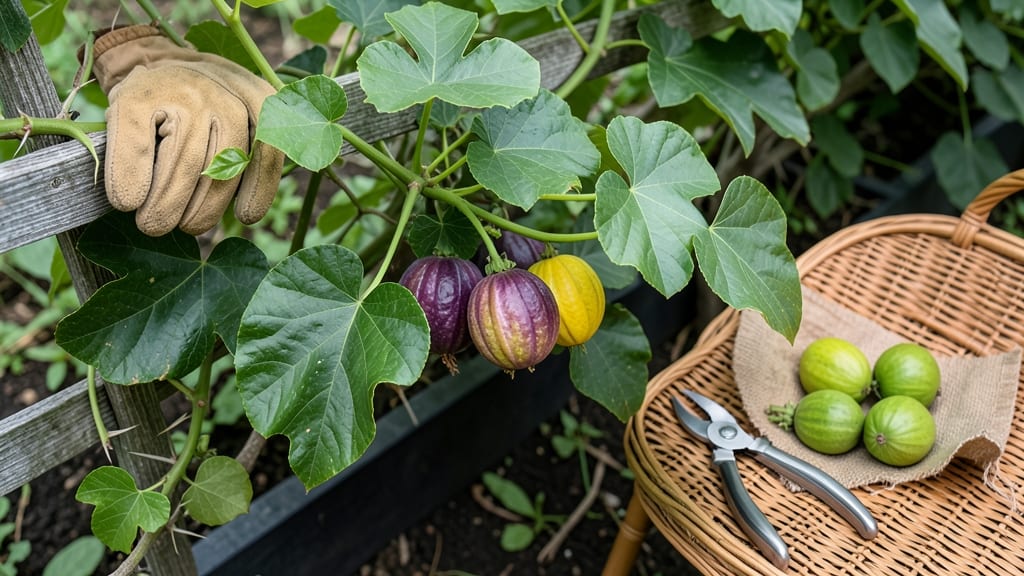
Harvesting passionfruit at the right time means the difference between a sweet, juicy burst and a mealy disappointment 🍈—and knowing when to pick depends on more than just color.
If you’ve ever bitten into a passionfruit only to find it tart and underripe—or worse, mealy and overripe—you know timing is everything when it comes to harvesting these tropical gems. The key? Watching for the perfect blend of color, size, and texture, which shifts based on your climate and variety.
In Zone 10-12, purple passionfruit typically ripens between April and November, while yellow varieties may peak earlier. But even in the same region, factors like sunlight exposure, soil health, and watering can push harvest windows by weeks.
A fruit that’s deep purple or golden-yellow, slightly soft to the touch, and fragrant is ready—but don’t wait too long.
Below, I’ll walk you through the exact signs to look for, how to adjust for your local climate, and a few pro tips to maximize your yield. By the end, you’ll never second-guess whether that passionfruit is ready to pick again.

How to determine passionfruit harvest time by color and size
Timing your passionfruit harvest is an art—and science—balancing color shifts, fruit firmness, and sunlight exposure. Unlike many fruits that ripen off the vine, passionfruit must be picked at the perfect moment for peak flavor.
The purple passionfruit and yellow passionfruit varieties each have distinct cues, but all share core principles for ideal harvest timing.
Sunlight plays a critical role in sweetness development. Passionfruit vines thrive in full sun (6+ hours daily), but too much intense sunlight can accelerate ripening while reducing sugar content. In temperate zones, where vines may need winter protection, harvest windows shrink dramatically.
For example, in USDA Zone 9, your harvest season might last just 6 months compared to year-round picking in Zone 10+.
Color is your first indicator, but don't rely on it alone. A passionfruit's skin may look ripe on the outside while remaining tart inside. Always combine visual cues with physical tests like gentle pressure and stem flexibility. The ideal size range for harvesting is 2-3 inches in diameter—any smaller and the fruit will be underdeveloped; any larger and it risks becoming mealy.
For purple passionfruit, wait until the skin turns a deep, almost blackish-purple hue. This variety often develops a waxy sheen when truly ripe—almost like a plum. The yellow passionfruit, on the other hand, should have a golden glow with no remaining green patches.
A pro tip: Check the stem end first—it often ripens slightly earlier than the rest of the fruit.
Size matters just as much as color. A passionfruit under 2 inches will be seedy and tart, while one over 3 inches risks becoming dry and fibrous.
Measure your fruit against a ruler or your thumb—if it fits snugly between your index finger and thumb, it's likely ready. Remember, passionfruit do not ripen further after picking, so harvest at the perfect moment.
Sunlight exposure directly impacts sweetness levels. Vines grown in partial shade produce fruit with lower sugar content but higher acidity. If your passionfruit vine is in a hot, sunny climate, harvest slightly earlier (when still firm) to prevent overripening.
Conversely, in cooler climates, fruit may need extra time on the vine to develop full sweetness.
Perform the gentle twist test to confirm ripeness. Grasp the fruit and give it a quarter-turn. If it detaches cleanly from the vine with minimal resistance, it's ready. If the stem snaps sharply but the fruit stays attached, wait 2-3 more days.
Overripe passionfruit will fall off easily and may have wrinkled skin or a fermented smell.
One common mistake is harvesting based solely on color consistency. Some passionfruit varieties develop uneven coloring—perhaps with green patches even when ripe. Always combine visual inspection with the firmness test and stem twist.
For example, my yellow passionfruit vines often produce fruit with green shoulders that are still perfectly ripe inside.
Pro tip: Harvest in the early morning when temperatures are coolest. This preserves fruit firmness and aroma longer. Store freshly picked passionfruit in the fridge for up to 5 days—never at room temperature, as they spoil quickly.
If you're unsure about ripeness, cut one open: ripe passionfruit should have bright yellow pulp with jelly-like seeds.
Remember that first-year vines produce smaller, less flavorful fruit. Focus on harvesting quality over quantity during the plant's first fruiting season. With experience, you'll develop an instinct for the perfect harvest window—when your passionfruit balances tartness, sweetness, and texture flawlessly. 🍈
Signs of overripe vs. underripe passionfruit (and how to fix it)
Mastering the art of picking passionfruit at the perfect moment means knowing the subtle differences between overripe and underripe fruit. A single misstep can turn your tropical harvest into a bland or mushy disappointment.
The key lies in observing skin texture, color shifts, and even how the fruit detaches from the vine. These visual and tactile cues will help you avoid the common pitfalls of passionfruit harvest time.
Underripe passionfruit often looks deceptively close to its ripe counterpart, but there are telltale signs. The skin remains firm and green with a waxy sheen, and the fruit feels hard as a rock when gently squeezed.
Inside, the seeds are tiny and pale, while the pulp tastes sour and underdeveloped. If you pick too early, you’ll miss out on the sweet, floral notes that make passionfruit so special.
Overripe passionfruit is just as problematic—wrinkled skin, a soft mushy texture, and a fermented smell are red flags. The seeds turn dark and the pulp becomes mealy with an off-taste. Once overripe, these fruits won’t improve; they’ll only spoil faster. Harvest within 1-2 days of peak ripeness to avoid waste!
For the perfect harvest, focus on these three key indicators: the fruit should be deep purple (or yellow, depending on variety), slightly soft to the touch (like a ripe avocado), and the stem should snap cleanly when twisted.
A ripe passionfruit also releases a sweet, tropical aroma when gently squeezed. If you miss the window, store unripe fruit at room temperature to ripen slowly over 3-5 days.
If you’ve already harvested overripe fruit, don’t toss it! Blend the pulp into smoothies or sauces to salvage the flavor, or use it in fermented drinks where the tanginess works in your favor.
For underripe fruit, place it in a paper bag with a banana—the ethylene gas will speed up ripening naturally. Just avoid refrigerating until fully ripe, as cold temperatures halt the ripening process and dull the flavor.
Pro tip: Harvest in the morning when temperatures are cooler. This preserves the fruit’s freshness and sweetness longer. Use clean, sharp pruning shears to avoid damaging the vine, and store harvested passionfruit in a cool, dry place (not the fridge) for up to a week.
With these tricks, you’ll never waste another passionfruit again!
Remember, passionfruit are highly perishable, so act quickly once you spot the ideal signs. The difference between a perfectly ripe and a ruined harvest often comes down to just a day or two of timing. Happy harvesting!