
Fertilization
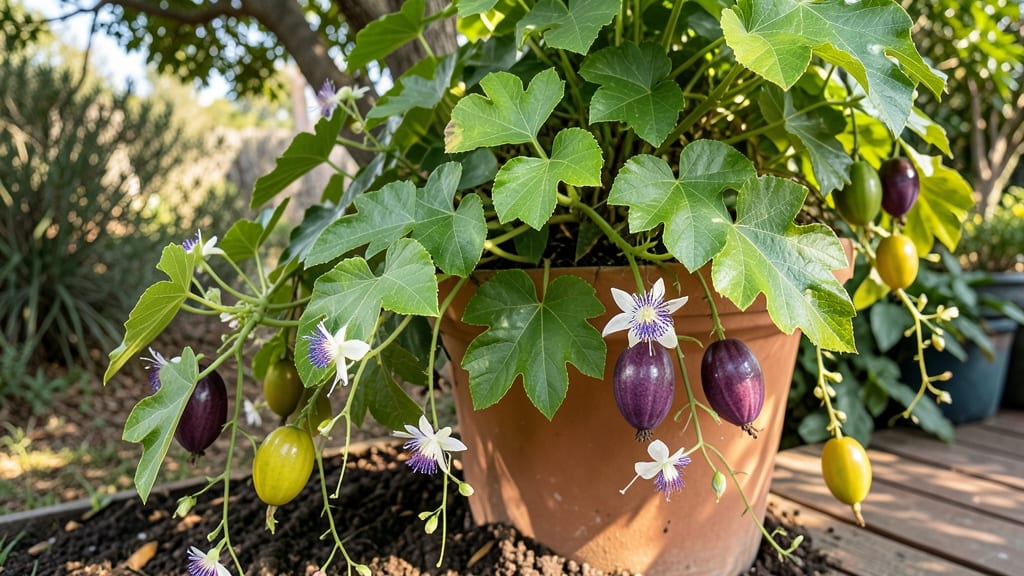
Growing passion fruit in pots turns your balcony into a tropical harvest zone. 🌱 The secret lies in choosing the right container—at least 15-20 gallons—and mimicking the vine’s natural climbing habits with a sturdy trellis.
My first attempt failed when I skipped drainage holes, so I’ll show you exactly what works (and what doesn’t). Start with a well-draining mix: 60% potting soil, 30% perlite, and 10% compost.
Passion vines love heat but hate soggy roots, so water only when the top inch feels dry. A balanced 10-10-10 fertilizer every 4-6 weeks keeps those sweet fruits coming—just don’t overdo it, or you’ll get leaves instead of fruit.
By summer’s end, you’ll be harvesting bright orange passion fruits straight from your porch. The vines stay compact, the fruit tastes fresher than store-bought, and you skip the pests that plague ground-planted vines. Even in small spaces, this setup delivers 20+ fruits per plant with minimal fuss.
Here’s the catch: patience. Vines take 12-18 months to mature, but once they do, you’ll wonder why you didn’t start sooner. Prune aggressively in late winter to shape the plant and encourage new growth—just like I did after my first tangled mess.
📚 In This Guide
- What you need
- Instructions
- Tips and common mistakes
- Wrapping up and next steps
What you need
- ● Passion fruit plant: Choose a Passiflora edulis (purple passion fruit) or Passiflora ligularis (sweet granadilla) variety. Start with a 1-gallon container-grown plant or a 3–5-year-old vine for faster fruiting.
- ● Large container: A 15–25 gallon pot (minimum 18" deep) with drainage holes. Opt for fabric grow bags or plastic/terra cotta pots with saucers.
- ● High-quality potting mix: A well-draining blend like a 50/50 mix of cactus/succulent soil and perlite or a compost-based potting mix amended with 10–20% coarse sand or orchid bark.
- ● Slow-release fertilizer: A balanced granular fertilizer (e.g., 10-10-10 or 8-3-9) or an organic option like fish emulsion or worm castings.
- ● Support structure: A 5–7 ft tall trellis, stake, or obelisk (metal or wooden) to guide the vigorous vine.
- ● Pruning shears: Bypass pruners for trimming and harvesting.
- ● Watering can or hose with a gentle spray nozzle: Passion fruit plants prefer consistent moisture without waterlogging.
- ○ Mulch (optional but recommended): 2–3 inches of organic mulch (e.g., straw or wood chips) to retain moisture and regulate soil temperature.
- ● pH test kit: Ensure soil pH is between 6.0–7.0 (passion fruit thrives in slightly acidic to neutral soil).
- ● Epsom salt (magnesium sulfate): 1 tbsp per gallon of water monthly during fruiting for a boost of magnesium.
- ● Compost or worm castings: 1 cup per pot mixed into soil at planting for nutrient-rich growth.
- ○ Drip irrigation system (optional): Automates watering and saves time for large containers.
- ● Hand gloves: Protects hands from thorns while pruning.
- ○ Spray bottle with neem oil (optional): Helps deter pests like aphids or spider mites.
Step-by-step instructions for growing passion fruit in containers
Here’s how to grow lush, productive passion fruit vines in pots—no yard required.
🌱 Step 1: Choose the Right Container and Soil Mix
Passion fruit vines need well-draining soil and plenty of root space, so select a 5-gallon or larger container with drainage holes. I use terra cotta pots because they breathe and prevent root rot, but plastic works too if you add extra perlite. Fill the bottom 2 inches with coarse gravel or broken pottery shards to improve drainage.
Mix equal parts potting soil, coconut coir, and perlite for a lightweight, airy blend that mimics tropical conditions. Avoid garden soil—it compacts and suffocates roots. Moisten the mix until it’s damp but not soggy, then let it sit for 10 minutes to settle before planting.
🌿 Step 2: Plant the Vine and Provide Support
Passion fruit vines grow 10-20 feet in ideal conditions, so they need strong support from day one. Install a 6-foot trellis or sturdy bamboo stake in the pot before planting. Bury the base 6 inches deep to anchor it securely—this prevents toppling as the vine grows.
Dig a hole twice as wide as the root ball and place your vine at the same depth it was growing before. Gently spread roots outward and backfill with soil, pressing lightly to remove air pockets. Water deeply until it drains from the bottom holes—this helps roots establish quickly.
☀️ Step 3: Position for Maximum Sun and Heat
Passion fruit vines thrive in full sun (6+ hours daily) and warmth (70-90°F). Place your pot in a south-facing spot or under a grow light if indoors. If temperatures drop below 50°F, move it indoors near a sunny window or use a space heater to keep roots warm.
Rotate the pot quarter-turn weekly so the vine grows evenly toward the light. You’ll notice new leaves forming on one side—this is a sign it’s leaning too much. A well-placed vine will have symmetrical growth and bright green, glossy foliage within 4-6 weeks.
💧 Step 4: Water and Fertilize for Heavy Fruit Production
Passion fruit vines hate soggy roots but need consistent moisture. Water when the top 2 inches of soil feel dry, usually every 2-3 days in summer. Let excess water drain completely—no saucers under pots unless they empty quickly.
Feed with a balanced liquid fertilizer (10-10-10) every 2 weeks during growing season. When flowers appear, switch to a high-phosphorus (5-10-5) fertilizer to encourage fruiting. I also add compost tea monthly for micronutrients—this boosts flavor and yield dramatically.
✂️ Step 5: Prune and Harvest for Year-Round Fruit
Prune spent flowers and leggy growth in early spring to redirect energy to new fruit. Cut back overly long vines to 6 feet to maintain pot stability. Passion fruit grows best with open airflow, so avoid dense foliage—this prevents fungal issues.
Harvest when fruit turns fully colored (purple for purple passion fruit, yellow for yellow varieties) and feels slightly soft. Twist gently to detach—don’t pull, or you’ll damage the vine. With proper care, you’ll get 2-3 harvests per year, even in containers.
Tips & tricks for thriving passion fruit in containers
Growing tropical passion fruit in pots takes a few smart tricks to mimic their natural environment—here's how to set your vine up for success.
Container Selection: While terra cotta pots are ideal for their breathability, don't overlook fabric grow bags as another excellent option. They allow for better root aeration and are lightweight for easy repositioning. Whatever you choose, ensure it's at least 5 gallons—smaller containers will restrict root growth and limit fruit production. The 2-inch gravel layer at the bottom isn't just for drainage; it also creates an air pocket that prevents waterlogging, which passion fruit vines absolutely despise.
Support System: That 6-foot trellis or bamboo stake isn't just decorative—it's essential for preventing the vine from toppling as it grows. I've seen vines reach 15 feet in just one season! Bury the support structure 6 inches deep to create maximum stability. For extra security in windy areas, consider adding a second stake or using a heavy-duty trellis with cross-bracing. This prevents the vine from snapping when heavy with fruit.
Light Management: The quarter-turn weekly rotation isn't just about aesthetics—it ensures your vine grows evenly toward the light source. I've noticed that vines left in one position develop elongated stems and sparse foliage on the shaded side. Place your pot where it receives at least 6 hours of direct sunlight daily, preferably in the morning when temperatures are cooler. If using grow lights indoors, position them 6-12 inches above the plant and provide 12-14 hours of light daily to compensate for shorter natural daylight periods.
Fertilization Strategy: The switch from balanced (10-10-10) to high-phosphorus (5-10-5) fertilizer when flowers appear is crucial for fruit development. Phosphorus promotes root growth and flowering, while the lower nitrogen content prevents excessive leafy growth at the expense of fruit production. For even better results, alternate your liquid fertilizer with a slow-release granular fertilizer applied once during the growing season. This provides a steady nutrient supply without the risk of over-fertilization.
Pro Tips for Passion Fruit Pot
- Growing tropical passion fruit in pots takes a few smart tricks to mimic their natural environment—here's how to set your vine up for success.
- Container Selection: While terra cotta pots are ideal for their breathability, don't overlook fabric grow bags as another excellent option.
- Support System: That 6-foot trellis or bamboo stake isn't just decorative—it's essential for preventing the vine from toppling as it grows.
Frequently asked questions
Got questions about growing passion fruit in pots? You’re not alone!
Here are some of the most common concerns—and their answers—to help you cultivate a thriving tropical harvest with ease.
How often should I fertilize my passion fruit pot?
Feed your passion fruit plant every 4–6 weeks during the growing season (spring and summer) with a balanced, water-soluble fertilizer (10-10-10 or 20-20-20). Switch to a low-nitrogen, high-phosphorus formula (5-10-10) when flowers appear to boost fruiting. In winter, reduce feeding to once every 2–3 months or pause entirely if growth slows.
How long does it take for a passion fruit pot to bear fruit?
Patience is key! With proper care, a potted passion fruit vine may take 12–24 months to produce fruit. Young plants focus on establishing roots and vines first. Pro tip: Choose a self-pollinating variety (like ‘Panama Red’ or ‘Sweetie’) to simplify the process. Ensure your pot gets full sun (6+ hours/day) and consistent watering to speed up fruiting.
Can I grow passion fruit in a pot indoors?
Passion fruit vines thrive outdoors but can survive indoors near a sunny south-facing window or under grow lights (12–16 hours/day). However, they’re heavy feeders and may struggle with limited space. If indoors, use a 15–20 gallon pot and rotate it weekly for even light exposure. Expect slower growth and fewer fruits compared to outdoor pots.
What can I do if my passion fruit leaves turn yellow?
Yellowing leaves usually signal overwatering, nutrient deficiency, or root stress. First, check the soil—it should be damp but not soggy. Adjust your watering schedule (let the top 2 inches dry out between waterings). If yellowing persists, flush the soil with water to remove excess salts, then fertilize with a chelated iron supplement for chlorosis. Ensure your pot has drainage holes to prevent root rot.
Are there passion fruit varieties better suited for pots?
Yes! Opt for dwarf or compact varieties like:
- ‘Panama Red – Fast-growing, self-pollinating, and productive in 10–15 gallon pots.
- ‘Sweetie’ – Sweeter fruit, thrives in containers, and tolerates cooler temps better.
- ‘Golden Passionfruit’ – Smaller vines, ideal for 5–10 gallon pots (great for balconies!).
Wrapping up and next steps
Growing passion fruit in compact pots isn’t just a space-saving hack—it’s a delicious way to enjoy tropical flavors year-round! With the right soil, fertilizer, and care, you’ll be harvesting vibrant, sweet fruit even in small spaces.
The key is consistency: monitor moisture, prune wisely, and feed your plant regularly to keep it thriving.
Ready to dive in? Start small—pick a healthy cutting or seedling, grab your pot, and get growing! Whether you’re a beginner or a seasoned gardener, there’s no better time to turn your balcony or patio into a passion fruit paradise. 🌱✨