
Planting
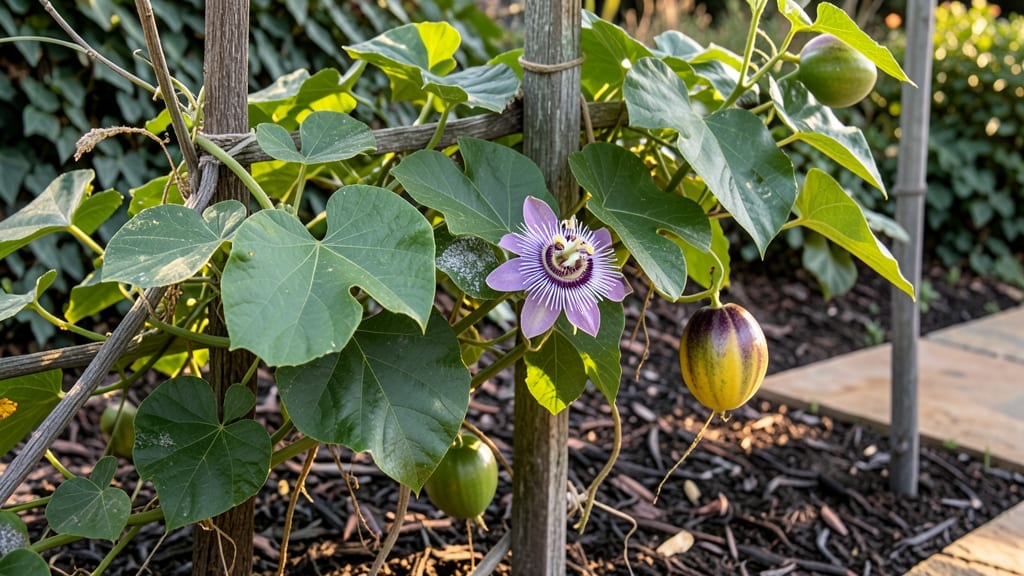
Growing passion fruit in containers means sweet, tropical fruit on your porch all year. 🌿 The key is matching the plant's jungle roots to your space—whether that's a sunny balcony or a greenhouse corner.
I've grown mine in 15-gallon pots for five seasons now, and the secret isn't complicated: it's about light, water, and letting the vines do their thing.
This tropical climber thrives in full sun (6+ hours daily) and well-draining soil that stays consistently moist but never soggy. The vines grow aggressively—think 20 feet in a season—so provide a trellis or let them sprawl.
Pruning is minimal: just trim dead growth and shape the plant in late winter to keep it manageable. You'll see flowers within months, and those fragrant blooms turn into fruit in 60-90 days.
What you end up with is a vine that produces fruit continuously if you keep it happy. The fruit itself is shockingly sweet—nothing like the store-bought versions—with a texture somewhere between a grape and a small egg.
One plant can yield 50+ fruits per season, and the vines are surprisingly cold-hardy for container plants (down to 25°F with protection).
The real magic happens when you let it go wild: fragrant flowers that hummingbirds adore, vines that create living shade, and fruit that tastes like sunshine. It's the kind of plant that makes neighbors stop and ask questions. Ready to grow yours?
📚 In This Guide
- What you need
- Instructions
- Tips and common mistakes
- Wrapping up and next steps
What you need
- ● Container: A large, 5-gallon or bigger pot with drainage holes (minimum 18-inch diameter for mature vines). Fabric grow bags are ideal for airflow.
- ● Passion fruit plant: A healthy passiflora edulis (purple passion fruit) or passiflora ligularis (sweet granadilla) cutting or young plant (check local nurseries for disease-resistant varieties!).
- ● Potting mix: A well-draining blend of 60% coconut coir or peat moss, 20% perlite or pumice, and 20% compost. Avoid heavy garden soil!
- ● Fertilizer: Balanced fertilizer (10-10-10) for initial growth.
- ● High-potassium fertilizer (5-10-10) during flowering/fruiting (spring to fall).
- ● Pruning tools: Sharp bypass pruners or sterilized shears (disinfect with rubbing alcohol between cuts!).
- ● Support structure: A trellis, cage, or sturdy bamboo stake (at least 6-8 feet tall) for vertical growth.
- ● Drip irrigation or watering can: Passion fruit plants need consistent moisture but hate soggy roots.
- ● Mulch: Straw or wood chips (2-3 inches) to retain moisture and regulate soil temp.
- ● Slow-release fertilizer pellets for convenience (apply every 3-4 months).
- ● Mycorrhizal fungi to boost root health (mix into soil at planting).
- ● Humidity tray or pebble tray if your climate is dry.
- ● Plant food spray (like seaweed extract) for a gentle nutrient boost during flowering.
- ● Garden gloves to protect your hands from thorns!
Step-by-Step guide to growing passion fruit in containers
Here's how I keep my passion fruit vines thriving in pots year-round with almost no fuss.
🪴 Step 1: Choose the Right Container and Soil
Passion vines need room to sprawl, so pick a container that's at least 18 inches wide and deep—think large ceramic or fabric pots. I use containers with built-in trellises to save space, but a sturdy wooden post works too. Make sure it has drainage holes; passion vines hate soggy roots.
Fill the bottom third of the pot with gravel or broken pottery shards to improve drainage. Then add a mix of 50% potting soil and 50% compost. Passion vines love rich, well-draining soil that stays slightly acidic. I always mix in a handful of worm castings for extra nutrients—this plant is a heavy feeder.
☀️ Step 2: Plant and Position for Maximum Sunlight
Dig a hole twice as wide as the root ball but no deeper. Place your vine in the center and backfill with soil, pressing gently to remove air pockets. Water thoroughly until it drains from the bottom. Passion fruit plants need 6-8 hours of direct sunlight daily, so position your container where it gets full sun.
If you're in a hot climate, provide afternoon shade during peak summer months to prevent leaf scorch. You'll know your plant is happy when new leaves emerge bright green and glossy. Avoid placing near strong winds—they can damage the delicate vines.
💧 Step 3: Water Consistently and Fertilize Regularly
Keep the soil consistently moist but never waterlogged. Water when the top 1-2 inches of soil feel dry to the touch. Passion vines are thirsty plants, especially during fruiting season. I water deeply in the morning so the plant has time to absorb moisture before evening.
Feed your plant every 4-6 weeks with a balanced, water-soluble fertilizer (10-10-10 ratio works well). When flowers appear, switch to a high-phosphorus fertilizer to encourage fruit set. You'll notice new growth and flowers within weeks of consistent feeding—this is your sign the plant is thriving.
✂️ Step 4: Train and Prune for Better Fruit Production
Use the trellis or post to guide the vines upward as they grow. Passion vines grow aggressively, so trim back any leggy growth that isn't producing flowers or fruit. Prune in late winter or early spring to shape the plant and encourage new growth. I cut back about one-third of the previous year's growth to keep the plant compact.
Remove any dead or diseased leaves immediately. Also, pinch off the first few flowers that appear to redirect the plant's energy toward stronger growth. Once the vine establishes itself, it will produce flowers continuously, leading to a steady harvest of those exotic, tropical fruits.
🍈 Step 5: Harvest and Encourage Year-Round Production
Passion fruit is ready to harvest when it changes color from green to its mature hue—usually yellow or purple, depending on the variety. Gently twist the fruit until it separates from the vine. Harvest in the morning when fruits are coolest for best flavor. You'll get your first fruits about 6-12 months after planting.
After harvesting, continue fertilizing and watering as before. Passion vines can produce fruit year-round in warm climates, but in cooler areas, you may need to bring the container indoors during winter. Keep it near a sunny window or under grow lights to maintain production.
Tips & tricks for growing passion fruit in containers
Took me a while to figure these out, so here goes—these little tricks make all the difference when growing passion fruit in pots.
Container and Drainage: If you're using a container without built-in drainage holes, drill them yourself—passion vines will quickly rot if their roots sit in water. I also add a layer of 3-4 inches of gravel at the bottom, which prevents compaction and improves airflow. This one change saved my first vine from root rot after just two weeks.
Sunlight Strategy: The 6-8 hours of direct sunlight requirement is non-negotiable, but here's the trick: rotate your container every 2-3 weeks to ensure even sun exposure. I mark the pot with a dot to track which side gets sun—this prevents one-sided growth and keeps the vine balanced. In shady spots, supplement with a grow light for 4-6 hours daily.
Pruning for Productivity: When you prune back one-third of last year's growth in Step 4, focus on removing the oldest, woody vines first. These rarely produce fruit and take energy from new growth. I also prune just above a leaf node where new shoots will emerge—this encourages bushier, more productive vines. Save your pruned cuttings in a damp paper towel in the fridge for up to 2 weeks if you want to propagate new plants.
Pro Tips for Pasion Fruit Plant
- Took me a while to figure these out, so here goes—these little tricks make all the difference when growing passion fr...
- Container and Drainage: If you're using a container without built-in drainage holes, drill them yourself—passion vine...
- Sunlight Strategy: The 6-8 hours of direct sunlight requirement is non-negotiable, but here's the trick: rotate your ...
Frequently asked questions
Got questions about growing passion fruit plants in containers? You’re not alone! Here are some of the most common concerns—plus quick, actionable answers to keep your harvest thriving.
Can I grow passion fruit in containers year-round?
Yes! Passion fruit thrives in containers as long as they’re at least 15–20 gallons (for vining varieties) and have drainage holes. In colder climates, move pots indoors or to a greenhouse during winter. Choose cold-hardy varieties like Passiflora edulis (purple passion fruit) for better resilience.
How long does it take for a passion fruit plant to bear fruit?
With proper care, expect 12–24 months for flowering and fruiting. Young plants need 6–8 hours of sunlight daily and consistent watering. Pro tip: Use a balanced fertilizer (like 10-10-10) every 4–6 weeks to speed up maturity. Patience pays off—first fruits are sweeter!
What pests or diseases should I watch for?
Common issues include:
- Spider mites: Yellowing leaves? Spray with neem oil weekly.
- Fungal spots: Avoid overhead watering; prune infected leaves immediately.
- Root rot: Ensure pots drain well and never sit in standing water.
Prevention is key—inspect leaves weekly and remove pests by hand if possible.
Can I grow passion fruit from seed, or should I buy a plant?
You can grow from seed, but store-bought plants (especially grafted varieties) fruit faster and more reliably. If starting from seed, expect 1–2 years before fruiting. For quicker results, opt for a 1–2 year-old nursery plant—just ensure it’s disease-free!
Do I really need to prune passion fruit plants?
Minimal pruning is ideal! Trim dead or overcrowded branches in early spring to improve airflow. Remove suckers (shoots at the base) to focus energy on fruiting. Pro tip: Prune after harvest to encourage new growth—but avoid heavy cuts, as passion fruit vines are delicate.
Bonus: Quick Troubleshooting Table
| Problem | Likely Cause | Fix |
|---|---|---|
| No flowers | Insufficient sunlight or nutrients | Move to full sun; fertilize with phosphorus-rich food |
| Fruits drop early | Water stress or over-ripening | Water consistently; harvest when slightly soft |
| Small, bitter fruit | Over-pruning or poor pollination | Hand-pollinate with a brush; reduce pruning |
Wrapping up and next steps
Growing a passion fruit plant in containers is a rewarding journey that brings sweet, tropical flavors straight to your doorstep—with minimal effort! Whether you're a seasoned gardener or a curious beginner, this method proves that big harvests don’t require big spaces. 🌱✨
Now that you’re armed with the right tools, tips, and troubleshooting know-how, it’s time to roll up your sleeves and get planting. Start small—pick a sunny spot, choose your favorite variety, and watch your container garden thrive.
Before you know it, you’ll be savoring homemade passion fruit jam or sharing fresh fruit with neighbors. Happy growing!