
Advice
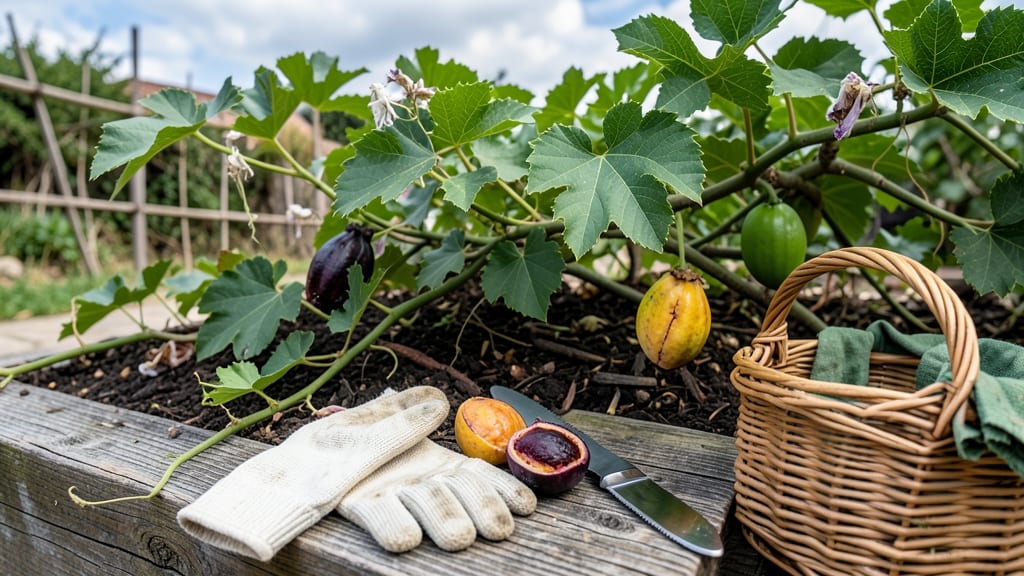
Overripe passion fruit turns into sweet-tart pulp gold—if you know the tricks. 🌱 I’ve salvaged more than a few mushy passion fruits by turning them into jams, smoothies, and even fermented drinks, and the secret is in how you handle them at the right moment.
The moment passion fruit starts to wrinkle or split open, it’s actually at its peak for flavor and texture. The pulp inside becomes more aromatic and slightly fermented, which makes it perfect for recipes where you want that tangy depth.
Just scoop out the seeds and pulp before it gets too mushy, and you’ll have a versatile ingredient ready for anything from desserts to cocktails. What you’ll end up with is a batch of pulp that’s sweeter and more flavorful than store-bought, plus zero waste.
Even if the fruit is too far gone for eating, the overripe parts can still be blended into compost tea for your garden—just strain out the seeds first. Prevent future overripening by harvesting when the fruit starts to soften but before it splits.
Store them in a cool, dry place, and check them every few days to catch the perfect window for picking.
The Hidden Triggers Behind Ripe Passion Fruit
Overripe passion fruit isn’t just a matter of time—it’s a delicate dance between biology, environment, and even how you handle the fruit.
Understanding the root causes of why passion fruit turns from perfectly ripe to mushy or fermented helps you extend its shelf life and salvage what might seem like a lost batch. Let’s break down the science behind the spoilage.
Passion fruit thrives in tropical climates, but excessive heat and humidity are its silent enemies. Here’s why:
- Enzyme Overdrive: Passion fruit contains polygalacturonase (PG) and pectin methylesterase (PME)—enzymes that break down cell walls, softening the fruit.
Warm temperatures (above 80°F/27°C) accelerate these enzymes, turning firm flesh into a mushy pulp in days. - Microbe Party: High humidity creates the perfect breeding ground for yeast and mold (like Botrytis cinerea or Aspergillus).
These microbes feast on the fruit’s sugars, causing fermentation or fuzzy gray spots. - Skin Stress: The tough outer rind is your first line of defense, but excessive moisture weakens it, making the fruit more susceptible to bruising and rot.
Actionable Fix: Store passion fruit in a cool (50–60°F/10–15°C), dry place—like a crisper drawer—not the fridge (cold slows ripening but can cause chilling injury). If humidity is high, place it in a paper bag with ventilation to absorb excess moisture.
Passion fruit releases ethylene gas, a natural plant hormone that signals ripening. But too much of it? Disaster.
- Self-Ripening Trap: Once picked, passion fruit continues producing ethylene, which speeds up softening and sugar conversion. If stored with other ethylene-producing fruits (like bananas or apples), the process doubles in speed. - Fermentation Risk: Ethylene also triggers anaerobic conditions (low oxygen), leading to alcoholic fermentation.
That’s why overripe passion fruit can smell boozy or vinegary.
Actionable Fix: Isolate passion fruit from other fruits. If storing multiple, pick them at the same ripeness stage to avoid uneven gas exposure. For a quick ethylene reset, place the fruit in a well-ventilated container for 24 hours before storage.
Even a small nick can seal the fate of your passion fruit.
- Broken Skin = Open Door: The rind’s wax coating protects against moisture loss and microbial invasion.
A cut or bruise exposes the flesh to air and pathogens, kickstarting rot. - Internal Damage: Dropping or squeezing passion fruit can crush cells, releasing enzymes that trigger premature softening. This is why bruised fruit turns mushy faster than unharmed ones.
Actionable Fix: Handle passion fruit gently—think of it like a stress ball for produce. If you’ve already damaged it, use it immediately (smoothies, jams) or store the cut fruit in a sealed container with a paper towel to absorb excess moisture.
Not all passion fruit are ripe when picked. Harvesting too early or too late sets the stage for overripeness.
- Underripe = Slow Burn: If picked green, passion fruit lacks the natural sugars and softness needed for proper ripening.
It may never fully ripen off the vine, leading to a dry, mealy texture. - Overripe at Pick = Fast Decay: Leaving fruit on the vine past its prime causes sugar breakdown and cell collapse, making it prone to mold once harvested.
Actionable Fix: Harvest when the fruit yields slightly to gentle pressure and the skin changes from green to yellow or brown (depending on the variety). For store-bought fruit, pick firm but slightly soft ones—they’ll ripen at home.
Even the best-intentioned storage can go wrong.
- Fridge Shock: Passion fruit hates cold.
Temperatures below 45°F (7°C) cause chilling injury, where cells break down unevenly, leading to watery, grainy pulp. - Ethylene Traps: Plastic bags seal in moisture and gas, creating a greenhouse effect that supercharges spoilage. - Sunlight Exposure: UV rays degrade vitamins and accelerate enzyme activity, making the fruit soft and bitter faster.
Actionable Fix: Store passion fruit at room temperature in a breathable container (like a mesh bag). If refrigerating is unavoidable, wrap it in a paper towel and use it within 2–3 days.
Tiny invaders can turn your passion fruit into a science experiment gone wrong.
- Fruit Flies and Wasps: These pests lay eggs in the fruit, and their larvae consume the pulp, causing rot and off-flavors.
- Mold Spores: Fungi like **black mold (Alternaria) or yeast thrive in damp conditions, turning the fruit slippery, gray, or foamy.
Actionable Fix: Inspect fruit before storage. Discard any with holes, weeping liquid, or fuzzy spots. For extra protection, wipe the rind with a vinegar solution (1:3 water ratio) before storing.
Before storing, give the passion fruit a gentle twist. If it detaches easily from the stem, it’s ripe—use it within 1–2 days. If it’s still tight, it needs more time. No twist?** It’s overripe or spoiled.
Quick Fixes for Overripe Passion Fruit
Overripe passion fruit may seem like a lost cause, but with the right techniques, you can still salvage its sweet-tart goodness—whether for smoothies, desserts, or even savory dishes. Below are practical, step-by-step solutions tailored to the most common causes of overripeness, plus prevention tips to keep your fruit fresh longer.
Cause: The fruit’s exterior softens first, but the interior remains edible (though slightly mushy).
Fix:
- 🔪 Cut and Scoop Carefully
- Slice the fruit open lengthwise and gently pry out the pulp with a spoon, avoiding the seedy center.
- Discard the overly soft rind—it’s past its prime for eating but can be composted.
- 🍳 Use It Immediately in Recipes
- Smoothies & Juices: Blend the pulp with yogurt, honey, or lime for a tropical twist.
- Desserts: Fold into cheesecakes, mousses, or pancake batters for natural sweetness.
- Sauces: Reduce the pulp with a splash of water and sugar for a passion fruit coulis to drizzle over fish or chicken.
- 🧊 Freeze for Later
- Portion the pulp into ice cube trays and freeze. Thaw as needed for baking or drinks.
💡 Pro Tip: If the pulp smells fermented (like vinegar), it’s too far gone—compost it instead.
Cause: Overripeness leads to fermentation, turning the pulp tangy or even alcoholic-tasting.
Fix:
- 🧪 Test for Edibility
- Take a small spoonful. If it tastes sharp, boozy, or overly sour, it’s best used in cooking rather than raw.
- 🍲 Cook It Down
- Fermented Passion Fruit Jam: Simmer the pulp with sugar, lemon juice, and spices (like cinnamon) to balance the tartness.
- Glazes: Reduce the pulp with honey and balsamic vinegar for a sweet-savory glaze for grilled meats.
- Fermented Drinks: Mix with sparkling water, mint, and a touch of agave for a fermented shrub (like a passion fruit kombucha starter).
- 🌱 Compost or Feed to Livestock
- If the flavor is inedible, don’t waste it—chickens and pigs love fermented fruit scraps!
✨ Prevention Tip: Harvest passion fruit when it detaches easily from the vine but still has a slight give. Overripe fruit on the vine ferments faster.
Cause: Fungal growth or bacterial slime signals spoilage—don’t risk it!
Fix:
- 🚫 Toss It (But Save What You Can)
- Cut out moldy spots only if they’re surface-level (rare for passion fruit). Otherwise, discard the whole fruit.
- 🧼 Sanitize Your Tools
- Wash cutting boards and knives with hot, soapy water and a splash of vinegar to prevent cross-contamination.
- 🌿 Upcycle the Rind
- Infused Oil: Dry the rind, then steep in olive oil for 3–5 days to make a fragrant, citrusy oil for dressings.
- Tea Rinse: Steep dried rind in hot water for a digestive tea (traditionally used in some cultures).
🎯 Prevention Tip: Store passion fruit in a paper bag in the fridge (not plastic) to slow ripening and reduce moisture buildup.
Even if you’ve rescued your current batch, stop the cycle with these habits:
| Do This | Avoid This |
|---|---|
| 🍎 Store in the fridge (extends shelf life by 3–5 days) | 🌞 Leave on the counter for more than 2 days |
| 🥬 Keep in a paper bag (absorbs ethylene gas) | 📦 Store in sealed plastic bags (traps moisture) |
| 🌱 Pick when fully colored but firm (yellow/orange with slight give) | 🍊 Wait until it’s too soft to detach |
| 🍋 Use within 1–2 days of peak ripeness | 🗓️ Ignore until it’s mushy |
Final Thought: Overripe passion fruit isn’t a waste—it’s a flavor upgrade for bold recipes. When in doubt, cook it, freeze it, or compost it—but never let it go to waste! 🌱🍴
Frequently asked questions
Can I still eat passion fruit that’s overripe?
Yes, but use it quickly! Overripe passion fruit with soft skin but no mold is still edible—just scoop out the pulp and blend it into smoothies, jams, or sauces. If it smells fermented (like vinegar), cook it down to balance the sharpness.
How do I know if passion fruit is too far gone?
Check for these signs: slippery texture, fuzzy mold, or a boozy/vinegary smell. If the pulp is watery and smells off, compost it instead. For slightly overripe fruit, the pulp may still work in baking or fermented recipes.
What’s the best way to store passion fruit to prevent overripening?
Keep it in a paper bag at room temperature (not the fridge) for 1–2 days. If you must refrigerate, wrap it in a paper towel and use within 3 days. Avoid plastic bags—they trap moisture and speed up spoilage.
Can I save overripe passion fruit pulp for later?
Scoop out the pulp, portion it into ice cube trays, and freeze. Thaw as needed for smoothies, desserts, or marinades. For longer storage, blend it with a little sugar and freeze in silicone molds for easy scooping later.
What can I do with passion fruit rinds if the fruit is overripe?
Don’t toss them! Dry the rinds and steep in olive oil for 3–5 days to make infused oil, or brew them as digestive tea. You can also compost them—they break down quickly and add nutrients to your soil.