
Companion Plants
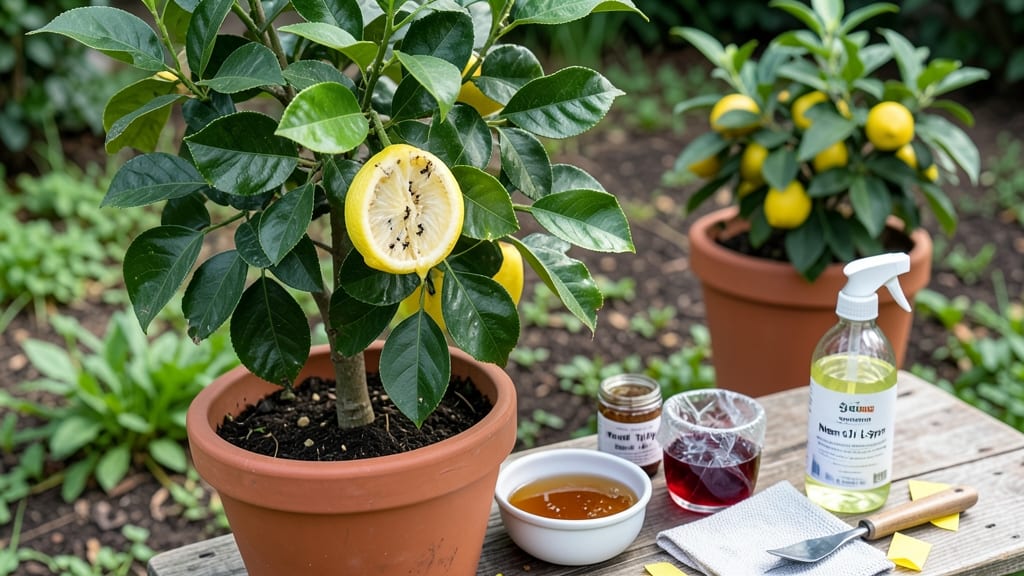
How to remove fruit flies from plants means it's time for a 24-hour intervention—these tiny pests multiply fast but can be outsmarted with the right traps. I’ve battled them in my kitchen and garden, and the key is acting fast before they turn your compost or ripe fruit into a breeding ground. The good news? You don’t need toxic sprays—just a few simple supplies and a little strategy.
Start with apple cider vinegar traps—they’re the gold standard for luring and trapping fruit flies without harming your plants. Mix equal parts vinegar and water in a small bowl, add a drop of dish soap to break the surface tension, and cover with plastic wrap (poke holes for airflow).
Place these near infested areas, and you’ll see results within hours. For larger outbreaks, repeat the process every 2-3 days until the flies disappear.
The payoff is immediate: no more buzzing around your herbs or wilting produce from their larvae. Your plants will stay healthy, and the traps themselves are 100% reusable—just refresh the vinegar when it gets cloudy.
The secret weapon? Consistency. Fruit flies return if you stop too soon, so keep monitoring for a full week after they’re gone.
Bonus tip: Prevent future invasions by storing ripe fruit in the fridge, sealing compost bins tightly, and cleaning up fallen fruit or overripe produce daily. A little vigilance now means fewer pests later—and that’s a win for any gardener. Let’s get those flies out of here for good!
📚 In This Guide
- What you need
- Instructions
- Tips and common mistakes
- Wrapping up and next steps
What you need
- ● Traps: 1-2 apple cider vinegar traps (small bowls or jars)
- ● 1-2 red wine traps (or beer traps as a backup)
- ● Liquid Bait: ½ cup apple cider vinegar (per trap)
- ● 1-2 drops dish soap (to break surface tension)
- ● Container: 1 plastic wrap or parchment paper (for DIY traps)
- ● Cleaning Supplies: 1 spray bottle with soapy water (for wiping plants)
- ● 1 paper towel or microfiber cloth
- ● Commercial Traps: 1-2 pre-made fruit fly traps (like Terro or Flypaper)
- ● Natural Repellents: Fresh herbs (basil, mint, or lavender) near plants
- ● 1 citrus peel (orange or lemon) in traps for extra lure
- ● Outdoor Prep: 1 fine mesh screen (to cover fruit bowls or compost bins)
Step-by-step instructions for removing fruit flies from plants
Here's the method I rely on to eliminate fruit flies fast—no harsh chemicals, just clever traps and plant care.
🪴 Step 1: Identify and Isolate Infested Areas
Fruit flies love overripe fruit, decaying plant matter, and damp soil. Start by removing all fallen fruit, rotting leaves, or debris from your plants and surrounding areas. I always check under pots and along the soil line where flies tend to hide. Place infested plants in a separate area if possible—this prevents the flies from spreading to healthy foliage.
Look for tiny, dark flies hovering near plants or crawling on stems. You'll often find them around fruit that's starting to soften or near moisture-rich soil. If you spot even a few, act quickly—they reproduce rapidly. I've seen a single fly turn into a swarm in just 3-4 days if left unchecked.
💧 Step 2: Set Up Apple Cider Vinegar Traps
Fill a small bowl or jar with 2-3 inches of apple cider vinegar—this mimics the fermenting fruit flies crave. Add a drop of dish soap to break the surface tension, making it impossible for flies to escape once they land. Place these traps near, but not directly on, your plants. I like to position them 6-12 inches away from foliage so they don't attract beneficial insects.
Check the traps daily and replace the vinegar every 2-3 days or when it becomes cloudy with flies. You'll see results within 24 hours—traps filled with drowned flies are a clear sign the method works. For larger infestations, place 2-3 traps per room or garden section. Real talk: If you skip the soap, flies will just crawl out and keep breeding.
☀️ Step 3: Improve Plant Health to Reduce Attraction
Fruit flies target stressed or decaying plants, so focus on removing overripe fruit immediately. Cut off any soft, mushy spots on fruit before they attract flies. Prune dead or dying leaves and stems—these provide hiding spots and breeding grounds. I always water plants at the base rather than overhead to keep foliage dry, which flies avoid.
Ensure your plants get adequate sunlight (most need 6+ hours daily) and proper drainage—soggy soil is a magnet for fruit flies. If you're growing plants in containers, check drainage holes and repot if roots are crowded. Healthy plants with firm fruit and crisp leaves simply aren't appealing to these pests.
⏰ Step 4: Maintain Traps and Monitor for 1-2 Weeks
Continue using the vinegar traps for at least 1-2 weeks after you stop seeing flies. This ensures you catch any lingering adults before they reproduce. I like to rotate trap locations every few days to cover more ground. If you notice new flies after a week, check for hidden breeding spots—like rotting fruit buried in mulch or damp potting mix.
Once the traps stay empty for 5-7 days, you can safely remove them. To prevent future infestations, keep your garden tidy: pick up fallen fruit daily, remove plant debris, and inspect new plants before bringing them indoors. I've found that consistent maintenance keeps fruit flies from returning for months.
Tips & tricks for eliminating fruit flies from plants
Here's what I've learned after dealing with fruit fly swarms—these tricks make the difference between temporary relief and lasting results.
Timing Secret: The 24-hour window after setting traps is critical. Fruit flies are most active during daylight hours, so place traps in well-lit areas where they'll be most effective. I've found that checking traps in the morning and evening captures the most flies—this is when they're actively searching for food sources. If you notice fewer flies in traps after 24 hours, it's a good sign you're making progress, but don't remove them yet.
Trapping Strategy: For larger infestations, position traps in a triangle formation around the plant. This creates a barrier that flies can't easily navigate around. I've used this technique in my kitchen windowsill setup with great success—within 48 hours, I saw a dramatic reduction in visible flies. Remember, the key is placement: traps should be within 6-12 inches of foliage but not touching it, as this prevents beneficial insects from getting caught.
Plant Care Insight: Healthy plants are your best defense. I've noticed that fruit flies particularly target plants with yellowing leaves or soft spots on fruit. Regularly inspect your plants for early signs of stress—this gives you a head start on prevention. When removing overripe fruit, don't just toss it in the trash; seal it in a bag first to prevent flies from escaping and starting new infestations elsewhere in your home.
Monitoring Tip: After the initial 24-hour period, continue monitoring for 5-7 days even if you stop seeing flies. I've had cases where a few lingering adults would lay eggs that hatched days later. The key is persistence—what seems like success might just be a temporary lull if you're not thorough. Keep those traps active until you've gone a full week without spotting any new flies.
Pro Tips for Remove Fruit Flies From Plants
- Here's what I've learned after dealing with fruit fly swarms—these tricks make the difference between temporary relief and lasting results.
- Timing Secret: The 24-hour window after setting traps is critical.
- Trapping Strategy: For larger infestations, position traps in a triangle formation around the plant.
Frequently asked questions
about fruit flies can save you time and frustration! Here are some of the most common queries—plus quick, actionable answers to keep your plants pest-free.Why do fruit flies keep coming back even after I’ve trapped them?
Fruit flies are relentless because they’re drawn to decaying organic matter (like overripe produce or fallen leaves). If you’ve trapped a few but still see them, check for hidden breeding spots—especially near drains, compost piles, or damp soil. Pro tip: Seal trash bins, clean up fruit scraps, and repeat traps every 3–5 days for 2+ weeks to break their cycle.
How long does it take to see results with DIY traps?
With the right setup (like apple cider vinegar + dish soap), you’ll notice a drop in fruit flies within 24–48 hours. For severe infestations, consistency is key—replace traps every 2–3 days and combine with environmental fixes (e.g., removing overripe fruit). Patience pays off!
Can I use companion plants to deter fruit flies naturally?
Plant basil, mint, or lavender near your vulnerable plants—their strong scents mask fruit fly attractants. Bonus: Basil also repels other pests like aphids. Just avoid overcrowding, as fruit flies thrive in dense, humid areas.
What’s the best way to clean up after fruit flies are gone?
Once the flies are under control, sanitize surfaces with a 50/50 vinegar-water spray to remove residual odors. Wipe down leaves, empty plant saucers, and toss compostable debris. For soil, mix in dried citrus peels or coffee grounds—they disrupt fly larvae without harming plants.
Are store-bought traps better than homemade ones?
Store-bought traps (like flypaper or UV lights) can be convenient for large infestations, but DIY vinegar traps are just as effective—and cheaper! The key is placement: Hang traps near plants or breeding sites (e.g., drains). For heavy-duty defense, rotate methods weekly to confuse flies.
| Quick Fix? | Long-Term Solution? |
|---|---|
| DIY vinegar traps (24–48 hrs) | Companion plants + hygiene (2+ weeks) |
| Seal trash/compost | Regularly inspect plants for rot |
Wrapping up and next steps
Kicking fruit flies off your plants doesn’t have to be a battle—just a smart, swift strategy! 🎯 With the right traps and a little consistency, you’ll reclaim your green space in no time.
Start by picking the method that fits your style, then act fast before those pesky flies multiply.
Now that you’re armed with solutions, take action today! Check your plants weekly, refresh traps as needed, and watch your garden thrive—fly-free. Happy gardening! 🌿✨