
Container Gardens
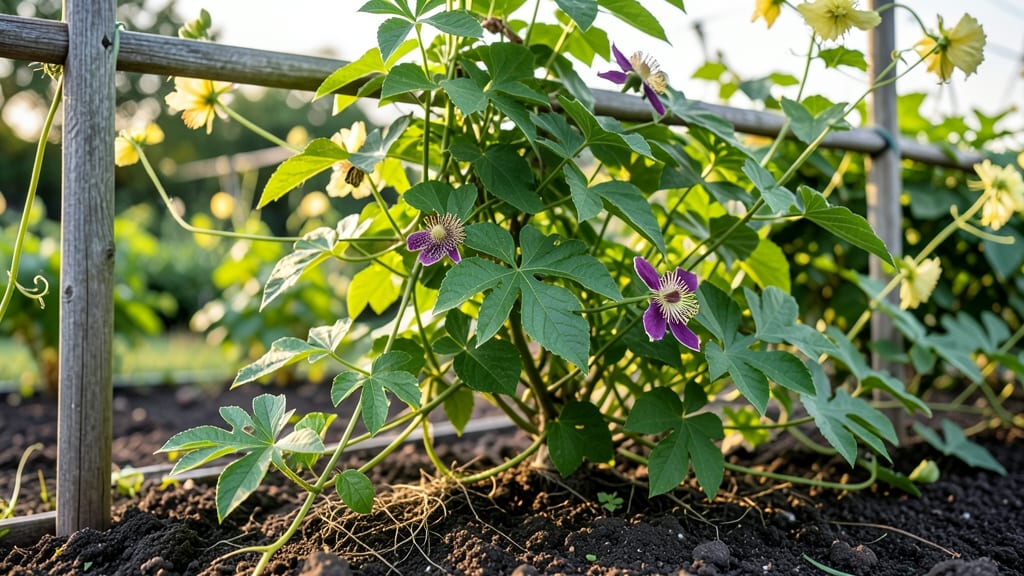
Growing passion fruit through the passion fruit growing stages is a 6-month journey that rewards patience with tropical flavors and fragrant vines. ✨ I’ve watched these vines transform from tiny seedlings into heavy-fruiting powerhouses, and the process is easier than you’d think—if you know what to expect at each stage.
The first three months focus on establishing strong roots and vines, while months 4-6 bring the real excitement: flower buds, pollination, and finally, those golden, pulp-filled fruits. Each stage has its own care needs—like pruning for airflow or providing the right support—but the payoff is worth it.
By month 6, you’ll be harvesting 1-2 pounds of fruit per vine, perfect for juices, desserts, or fresh eating. The vines keep producing for years, so your first harvest is just the beginning. Here’s exactly what to watch for at each milestone.
Whether you’re growing in containers or a sunny garden bed, this guide breaks down the critical moments—like when to fertilize, how to pollinate, and what to do if flowers drop. Let’s get those seeds sprouting!
📚 In This Guide
- What you need
- Instructions
- Tips and common mistakes
- Wrapping up and next steps
What you need
- ● Passion fruit seeds or young plants: 1-2 purple passion fruit (Passiflora edulis) or yellow passion fruit (Passiflora ligularis) seeds (or a nursery-bought plant for faster results).
- ○ Optional: Grafted plants for disease resistance (ask your local nursery!).
- ● Growing containers: 1-2 large containers (15-20 gallons each) with drainage holes. Fabric pots or 5-gallon buckets work great!
- ○ Optional: Trellis or sturdy stakes (6-8 ft tall) for climbing support.
- ● High-quality potting mix: 5-10 gallons of well-draining, fertile mix (e.g., 60% coconut coir, 20% perlite, 20% compost).
- ○ Optional: Slow-release fertilizer (10-10-10 NPK ratio) mixed into the soil.
- ● Basic tools: Trowel or small shovel
- ● Pruning shears (for shaping and harvesting)
- ● Watering can or hose with a gentle spray nozzle
- ○ Optional: pH testing kit (aim for 6.0-7.0) and organic mulch (e.g., straw or wood chips).
- ● Sunlight: Full sun (6+ hours daily). Partial shade in scorching climates (e.g., 4-6 hours).
- ● Temperature: Warmth is key! Ideal range: 65-85°F (18-29°C). Protect from frost.
- ● Water: Consistent moisture (but avoid soggy soil). Drip irrigation or bottom-watering containers helps!
- ○ Humidity: Optional: Mist leaves or use a humidity tray if your air is dry.
How to track passion fruit growth through six key stages
Here's how I track each phase—what to expect, when to intervene, and how to tell if your plant's thriving.
🌱 Stage 1: Germination (0-2 Weeks)
Passion fruit seeds germinate best in warmth (75-85°F) and constant moisture. I plant mine ¼-inch deep in a seed-starting mix and keep the soil damp using a spray bottle—never soggy. You'll see the first tiny sprout within 7-14 days, though some stubborn seeds take up to 3 weeks. The seedling's first leaves (cotyledons) look broad and heart-shaped—don't confuse them with true leaves.
This is the most fragile stage. If the soil dries out, the seedling wilts permanently. I cover the tray with plastic wrap to lock in humidity, but remove it immediately when sprouts appear to prevent fungal rot. Watch for mold—if it forms, increase airflow by propping up one side of the cover.
🌿 Stage 2: Seedling Growth (3-8 Weeks)
Once the first true leaves appear (they're narrower than cotyledons), your passion fruit plant is officially past the germination phase. I move seedlings to bright, indirect light (no direct sun yet) and fertilize lightly with a balanced 10-10-10 solution at half-strength. You'll see rapid growth—new leaves every 2-3 weeks—but stems stay delicate until 8 weeks old.
This is when leggy growth starts if light's insufficient. You'll spot it as thin, pale stems reaching toward the window. If that happens, move the plant within 6 inches of a grow light or prune the top growth to encourage bushier development. Pinch off any flowers that form now—they'll drain the plant's energy before it's established.
☀️ Stage 3: Transplanting (9-12 Weeks)
When seedlings reach 12 inches tall with 5-7 true leaves, they're ready for their permanent home. I harden them off by placing them outside in partial shade for 2 hours daily, gradually increasing to full sun over 10 days. The soil must be well-draining—passion fruit roots rot easily in waterlogged conditions. I mix 50% potting soil, 30% perlite, and 20% compost for my containers.
Transplant on a cloudy day to reduce shock. Bury the stem deeper than in the seedling tray—up to the first set of true leaves. This encourages stronger root growth. Water deeply after planting, then let the top 2 inches of soil dry before watering again. You'll see new leaves emerge within 2 weeks—that's your sign the plant's adjusting.
🌸 Stage 4: Flowering (12-18 Months)
Passion fruit vines take at least a year to flower, but you'll know it's coming when new growth appears in clusters. The first flowers are often male—you'll recognize them by their long, slender shape and lack of fruit potential. Female flowers (which produce fruit) have a tiny fruit bud at their base. I remove male flowers to redirect the plant's energy toward female blooms.
This stage demands consistent care: 1 inch of water weekly (more in heat), monthly feeding with citrus fertilizer, and pruning to remove dead or crossing vines. If flowers drop off without setting fruit, your plant may need more phosphorus—switch to a 5-10-10 fertilizer for a month. Watch for hummingbirds—they're the primary pollinators, so avoid pesticides during bloom.
🍈 Stage 5: Fruit Development (18-24 Months)
Once fruit forms, you'll see green, oval shapes growing from female flowers. They start small but swell rapidly—doubling in size every 2-3 weeks. Passion fruit needs full sun (6+ hours daily) and regular watering (2-3 inches weekly) to prevent cracking. I harvest when the skin turns yellow with purple streaks—this signals peak ripeness. Unripe fruit won't soften after picking.
Here's the trick: Gently twist the fruit to harvest—don't cut the stem. If it resists, it's not ready. Overripe fruit turns brown and mushy, so check vines every 3-4 days during peak season. A single vine can produce 20-50 fruits annually once mature. Store harvested fruit in the fridge for up to 2 weeks to slow ripening.
✂️ Stage 6: Winter Dormancy & Pruning (Year 2+)
In colder climates, passion fruit vines go dormant in winter. You'll notice leaf drop and stunted growth when temperatures dip below 50°F. I prune back dead or weak stems in late winter, cutting just above a leaf node. This encourages new growth in spring. For container-grown plants, move them indoors if temperatures will drop below 40°F—even brief cold snaps can kill the vine.
This is also the time to renew fertilizer. Switch to a high-nitrogen (10-5-5) mix in early spring to fuel regrowth. You'll see new shoots within 4-6 weeks of pruning. Mature vines can live 10+ years with proper care, but productivity peaks at 3-5 years. After that, I replace older vines with new cuttings to maintain high yields.
Tips & tricks for perfect passion fruit growth
Growing passion fruit from seed to harvest is a rewarding journey—but these key insights will help you avoid common pitfalls and maximize your plant's potential.
Germination Success: For Stage 1, I've found that pre-soaking seeds in warm water for 12 hours before planting boosts germination rates. Place them on a damp paper towel in a sealed bag overnight—this mimics the tropical conditions they love. The 75-85°F range is non-negotiable; if your home runs cooler, use a seedling heat mat underneath the tray. I always label my seed trays with the planting date so I don't forget the 7-14 day window when the first sprouts should appear.
Light Management: During Stage 2's 3-8 week growth phase, I recommend rotating seedlings quarter-turn daily to prevent them from leaning toward one light source. The bright, indirect light requirement is crucial—direct sun at this stage can scorch tender leaves. If you notice stems stretching excessively (leggy growth), it's time to intervene: move the plant within 6 inches of a grow light immediately. This prevents the plant from becoming top-heavy and weak.
Transplanting Strategy: When transplanting at 9-12 weeks, I always prepare the new location 2 days ahead by mixing the 50% potting soil, 30% perlite, and 20% compost blend. The well-draining requirement can't be overstated—amend heavy soils with additional perlite or coarse sand. For container growers, use pots with drainage holes and elevate them on saucers to prevent root rot from sitting water. The cloudy day transplanting advice is golden; even partial sun on transplant day can cause shock.
Flowering Optimization: In Stage 4, I've discovered that removing male flowers isn't just about fruit production—it also prevents the plant from wasting energy. Female flowers (with their tiny fruit buds) are your priority. If your plant struggles to set fruit despite female flowers, try misting them with water in the early morning. This mimics dew and can trigger pollination. The 5-10-10 fertilizer switch for phosphorus-deficient plants works wonders—you'll see fruit set within 2-3 weeks of making this change.
Pro Tips for Passion Fruit Growing Stages
- Growing passion fruit from seed to harvest is a rewarding journey—but these key insights will help you avoid common p...
- Germination Success: For Stage 1, I've found that pre-soaking seeds in warm water for 12 hours before planting boosts...
- Light Management: During Stage 2's 3-8 week growth phase, I recommend rotating seedlings quarter-turn daily to preven...
Frequently asked questions
Got questions about growing passion fruit? You’re not alone! Here are some of the most common queries—plus straightforward answers to help you nurture a thriving vine from seed to harvest.
How long does it take for passion fruit plants to bear fruit?
Passion fruit vines typically take 6–12 months to produce fruit from seed, depending on the variety and growing conditions. Purple passion fruit (Passiflora edulis) often fruits faster (6–8 months), while others like yellow passion fruit may take up to a year. Patience is key—focus on healthy growth first!
Can I grow passion fruit from store-bought fruit?
Yes! Save seeds from a ripe passion fruit, rinse them well, and let them dry for 1–2 days. Plant them ½ inch deep in moist soil. Pro tip: Soak seeds in warm water for 24 hours to speed up germination. Just know that store-bought seeds may not be true to the parent plant’s flavor or vigor.
What’s the best temperature range for passion fruit vines?
Passion fruit thrives in warm climates (70–85°F during the day, 60–70°F at night). They’re sensitive to frost (below 32°F) and struggle in extreme heat (above 95°F). If you’re in a cooler zone, grow them in containers and bring them indoors during winter or use row covers for protection.
Why aren’t my passion fruit flowers turning into fruit?
Missing fruit? Check these common culprits:
- Pollination issues: Passion fruit flowers are self-pollinating, but bees help. If flowers drop without fruiting, hand-pollinate with a small brush.
- Nutrient deficiency: Yellow leaves? Boost nitrogen and potassium. Use a balanced fertilizer (like 10-10-10) every 4–6 weeks.
- Environmental stress: Too much wind, drought, or extreme temps can cause flowers to fall off.
Can I grow passion fruit in containers, and what size pot do I need?
Passion fruit vines are perfect for containers—just choose a pot at least 15–20 gallons (24–30 inches deep) with drainage holes. Use a well-draining mix (like cactus soil + compost), and prune vines to encourage bushier growth. Bonus: Containers make it easy to move plants indoors in cold weather!
Wrapping up and next steps
Growing passion fruit from seed to harvest is a rewarding journey filled with vibrant blooms and sweet, tropical treats! 🌱 By understanding each of the six key stages—from germination to fruiting—you’ll set your container garden up for success.
With the right care, patience, and a little passion, you’ll soon be enjoying homegrown passion fruit in just a few months.
Ready to take the next step? Start with healthy seeds or young plants, choose the perfect container, and give your passion fruit vine the love it deserves. Happy growing—your future harvest is waiting! 🍈✨