
Container Gardens
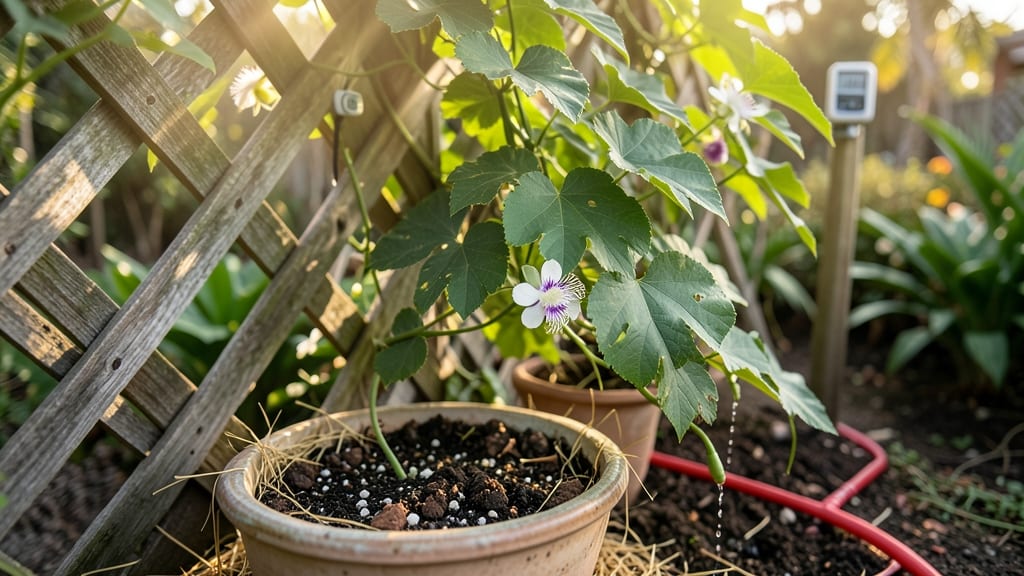
Passion fruit growing conditions require warm climates with temperatures between 65°F and 85°F, full sun exposure (6-8 hours daily), and well-draining, slightly acidic soil (pH 6.0-7.5). Humidity levels above 60% and frost-free conditions are essential for optimal growth and fruiting.
Creating the perfect environment for passion fruit vines means balancing warmth, moisture, and sunlight. 🌡️ These tropical plants wilt quickly in temperatures below 55°F, so I always choose protected locations or use row covers in cooler climates. The slightly acidic soil isn't just about pH—it's about organic matter too.
I've found that amending garden beds with compost and perlite creates that ideal drainage while retaining enough moisture for deep roots. What's interesting is how morning sun exposure helps prevent fruit sunburn while still providing the full 6-8 hours needed daily.
The humidity requirement often catches gardeners off guard—passion fruit vines actually produce more fruit when humidity stays above 60%. In drier climates, I recommend misting systems or planting near water features.
And remember, these vines are aggressive climbers—providing sturdy trellises or fences gives them the support they need to thrive and produce those signature tropical fruits.
💡 In This Article
- Optimal Climate and Temperature for Passion Fruit Growth
- Soil and Sunlight Requirements for Healthy Passion Fruit Vines
Optimal climate and temperature for passion fruit growth
Passion fruit vines are tropical plants that originate from the rainforests of South America, where they evolved to thrive in consistent warmth and high humidity. The ideal temperature range of 65°F to 85°F isn't just about avoiding cold—it's about maintaining active photosynthesis and flowering cycles.
Below 55°F, the vines become dormant, and temperatures above 95°F can cause leaf scorch and reduced fruiting. 🌡️ What's fascinating is how the vines' growth rate accelerates between 75°F and 85°F, which is why gardeners in subtropical zones often see their best harvests during summer months when these temperatures prevail.
The humidity requirement goes beyond just moisture in the air—it's about maintaining the vine's transpiration balance. Passion fruit vines naturally grow in environments with 60-80% humidity, which prevents the small flowers from drying out before pollination.
In drier climates, I've seen growers use drip irrigation systems timed for early morning to mimic natural dew formation, which keeps humidity levels optimal around the flowers.
The vines also have a unique adaptation: their leaves have a waxy coating that helps retain moisture, but this isn't enough protection against prolonged dry spells or high winds that can desiccate the delicate blooms.
Frost sensitivity is where passion fruit growing gets tricky for gardeners in cooler regions.
Even a light frost (32°F) can kill the vines, but what's less obvious is how temperatures near freezing (35°F) can cause irreversible damage to the root system. 🌱 This is why I always recommend planting passion fruit in containers that can be moved indoors during winter months.
The vines can tolerate brief exposure to 50°F temperatures, but any prolonged period below 55°F will halt growth and fruit production. In subtropical climates, gardeners often plant near heat-retaining structures like brick walls or use black plastic mulch to create microclimates that stay 10°F warmer than the surrounding air.
What most people don't realize is how temperature affects the flavor development of passion fruit. The ideal 75°F to 85°F range isn't just for growth—it's when the fruit's natural sugars and acids reach their perfect balance.
When temperatures drop below 65°F, the fruit may develop a more tart flavor with less of that signature tropical sweetness. This is why commercial growers in Florida and California often use shade cloth during peak summer months to prevent the fruit from becoming too acidic.
The vines actually produce more flowers when days are long (12+ hours of light), but the fruit sets better when nighttime temperatures stay above 70°F—another factor that requires careful climate management.
For gardeners in subtropical zones, understanding seasonal adaptations is key. Passion fruit vines can be grown year-round in true tropical climates, but in subtropical areas, they typically produce two main harvests: one in early summer when temperatures are ideal, and another in late summer when heat stress becomes a factor.
The vines will still grow in cooler months, but fruit production slows dramatically. This is why many gardeners choose to prune back the vines in late fall to redirect energy into root growth rather than fruit production during less favorable conditions. 🌿
One advanced technique I've used with success is creating a "temperature buffer zone" using windbreaks and reflective mulches. By positioning the vines near white or silver-colored mulch, I've been able to raise soil temperatures by 5-10°F during cooler mornings, which helps extend the growing season.
The reflective surfaces also reduce heat stress during summer afternoons by bouncing back some of the sun's rays. This approach works particularly well for container-grown passion fruit, where you have more control over the microclimate around the plant.