
Plants
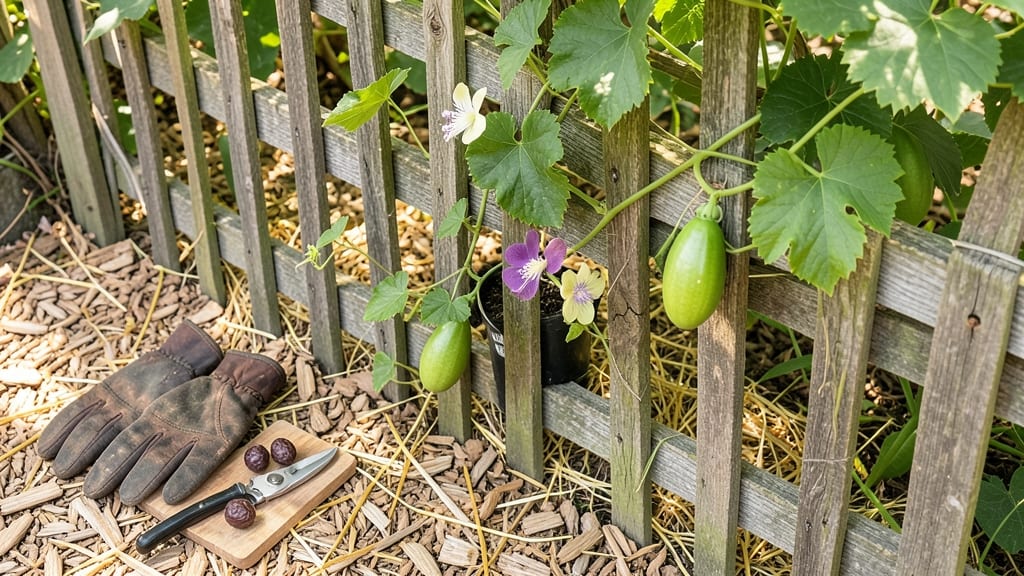
Growing passion fruit from seed to the stages of growth involves 7 distinct phases, each with its own care needs and telltale milestones.
Picture this: you plant a tiny seed in spring, then watch it spiral upward into a 20-foot vine laden with exotic fruit—if you know what to expect at each turn. The secret to avoiding frustration? Understanding the month-by-month shifts in growth, from delicate seedlings to heavy fruit.
In zones 9-11, where passion fruit thrives, timing is everything. Too much water in early stages? You’ll drown your seedlings. Skip the pruning when vines hit 10 feet?
You’ll choke off airflow and invite pests. Below, I break down each phase with the exact care your passion fruit vine needs to go from seed to harvest.
You’ll learn how to spot healthy vs. struggling growth, when to fertilize for maximum flowering, and the 3 signs your fruit is finally ready to pick—plus how to troubleshoot common pitfalls before they derail your harvest.


Passion fruit growth stages: month-by-month visual timeline from seed to flowering
Growing passion fruit from seed is like nurturing a tiny miracle that unfolds over months into a thriving vine. Each stage—from the first sprout to delicate flowers—requires specific care, especially when comparing tropical (like Passiflora edulis) and subtropical varieties (like Passiflora ligularis).
Understanding these month-by-month milestones helps you adjust water, sunlight, and nutrients precisely when your vine needs them most.
For tropical varieties, the growing season is nearly year-round in frost-free zones (USDA 9-11), while subtropical types may need winter protection or slower growth during cooler months. I’ve grown both in my Florida garden, and the key difference?
Tropical passion fruits bolt to flowering faster—sometimes within 6 months—while subtropical vines take 8-12 months to reach their first blooms.
📅 Month 1: Germination & Seedling Your journey begins with seed germination, which typically takes 14-30 days in warm (75-85°F) conditions. Tropical varieties often sprout faster than subtropical ones. Keep seeds in a moist paper towel or seed-starting mix, and maintain humidity with a clear lid. Once sprouted, transplant seedlings into 4-inch pots with well-draining soil.
📅 Month 2-3: Early Vine Growth By month 2, your seedling will develop its first true leaves (not the initial seed leaves). This is when you’ll see rapid vine elongation—up to 1-2 feet per month if given full sun (6+ hours). Subtropical varieties may grow slower. Harden off seedlings by gradually exposing them to outdoor conditions before transplanting in month 3.
📅 Month 4-5: Establishing the Vine Your passion fruit vine is now a juvenile plant, and its focus shifts to root development and stem thickening. Tropical vines may start producing side shoots, while subtropical types remain more compact. This is the perfect time to install a trellis—passion fruit vines are heavy climbers and need support to thrive.
📅 Month 6-7: Pre-Flowering Growth Spurt Here’s where the magic happens! Your vine will double in size, with new leaves emerging every 2-3 weeks. Tropical varieties often show buds forming by month 6, while subtropical types may take until month 7-8. Fertilize with a balanced 5-10-10 NPK to encourage flowering. Prune any weak or leggy growth to redirect energy to flower production.
By month 8-9, your passion fruit vine will finally burst into flowers—those iconic morning-glory-shaped blooms with vibrant purple or white petals. Tropical varieties like Passiflora edulis often flower continuously, while subtropical types
How to identify and support each passion fruit growth stage: common mistakes to avoid
Recognizing the unique needs of your passion fruit vine at each growth stage is key to avoiding common pitfalls. From seedling development to fruit ripening, small details like soil pH and pruning timing can make or break your harvest.
I’ve learned the hard way that skipping these stages often leads to stunted growth or fruit drop.
For example, young vines need gentle handling and consistent moisture, while mature plants require structured pruning to direct energy toward fruit production. Let’s break down what to watch for at each phase—and how to correct issues before they become major problems.
⚠️ Critical Warning: Overwatering and Nutrient Deficiencies
Passion fruit vines are sensitive to soggy soil and nutrient imbalances. Yellowing leaves often signal overwatering or nitrogen deficiency, while brown leaf edges may indicate chlorosis from improper soil pH (ideal range: 6.0–7.0). Test your soil and adjust with lime for acidity or sulfur for alkalinity.
During the seedling stage (weeks 1–4), watch for slow growth or wilting, which often means underwatering or poor drainage. Use a moisture meter to check soil levels—aim for consistently damp (not soggy) conditions.
If seedlings appear stunted, supplement with a balanced fertilizer (5-10-10 ratio) to encourage root development.
As vines reach the vegetative growth stage (months 2–4), focus on pruning techniques. Remove weak or crossing stems to improve airflow and reduce pest risks. I’ve found that pruning in early morning minimizes stress on the plant.
Avoid cutting more than one-third of the vine at once, or you’ll shock the plant and delay flowering.
When flowering begins (months 4–6), monitor for bud drop, a common issue caused by temperature fluctuations or low humidity. Passion fruit flowers are self-pollinating, but they thrive with gentle hand-pollination using a soft brush.
If flowers appear but no fruit sets, check for pest activity (like aphids) or nutrient deficiencies, particularly phosphorus.
Finally, during fruit development (months 6–12), ensure vines have adequate support to prevent fruit rot from touching the ground. Reduce fertilizer use in late summer to avoid late-season growth, which can stress the plant before winter.
Harvest before full ripening if frost is a risk—passion fruit can ripen indoors at room temperature.