
Trees
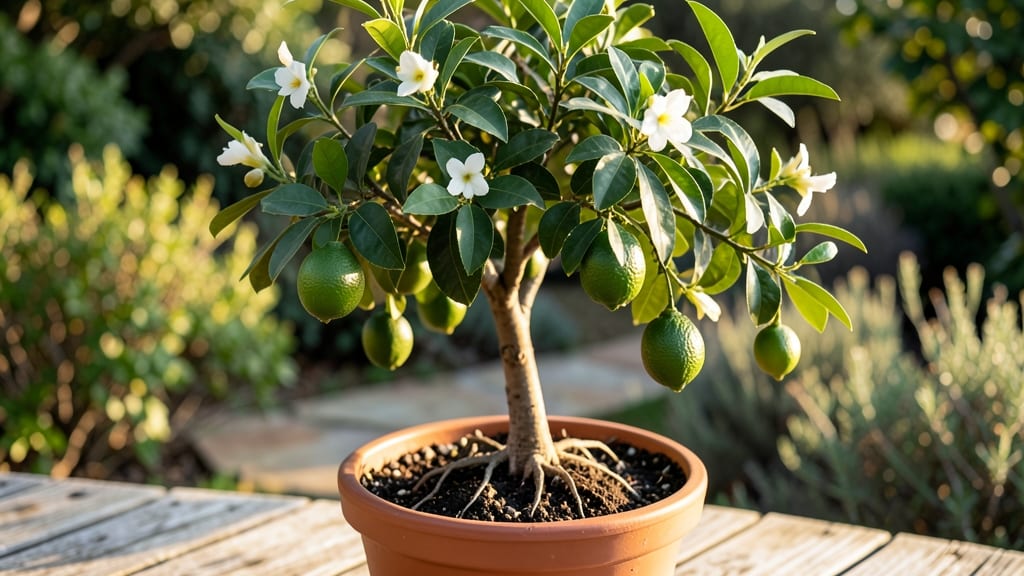
Growing lime fruit trees from seed to harvest is the ultimate citrus obsession. 🌱 I've watched my first key lime tree go from a tiny seedling to a tree heavy with bright green fruit, and the process is simpler than you'd think—if you know the secrets to citrus success.
The trick starts with variety: key limes thrive in warm climates, while Persian limes handle cooler zones better. You'll need well-draining soil (citrus hates soggy roots) and plenty of sunlight—at least 6-8 hours daily. Container growing works too, letting you move the tree indoors when frost threatens.
By year three, you'll be harvesting limes that taste fresher than anything from the store. The first fruit might be small, but each season brings bigger yields as the tree matures. Prune in late winter to shape the tree and encourage fruit production.
Works for backyards, patios, or even large pots. Here's how to get started without the common pitfalls!"
📚 In This Guide
- What you need
- Instructions
- Tips and common mistakes
- Wrapping up and next steps
What you need
- ● Lime seeds or saplings: 1-3 lime seeds (from organic limes) or 1-2 healthy nursery-grown saplings (tetraploid for larger fruit or diploid for true seeds).
- ● Well-draining potting mix: 5-10 gallons (for seedlings) or a 15-gallon bag (for saplings). Use a blend of peat moss, perlite, and compost (ratio: 3:1:1).
- ● Containers: Seedlings: 4-6 inch pots (3-5 containers).
- ● Saplings: 15-20 gallon pots or a raised bed (if outdoors).
- ● Fertilizer: Citrus-specific fertilizer (e.g., Miracle-Gro Citrus & Palm Food) or organic options like fish emulsion or seaweed extract.
- ● Slow-release granules: 1-2 cups (for saplings) or ½ cup (for seedlings).
- ● Pruning shears: 1 pair (sterilized with rubbing alcohol).
- ● Spray bottle: For misting seedlings (8-16 oz).
- ● pH testing kit: To monitor soil pH (aim for 6.0-7.0).
- ○ Drip irrigation or hose: For consistent watering (optional but recommended).
- ● Mulch: 2-3 inches of straw or wood chips (to retain moisture).
- ● Grow lights or sunny spot: 12-16 hours of light daily (indoors) or full sun outdoors.
- ● Climate: USDA Zones 9-11 (outdoors) or indoor grow lights (cooler zones).
- ● Space: 6-10 feet tall and wide (mature size).
- ● Time: 3-5 years for fruit production (from seed) or 1-2 years (from sapling).
- ● Patience: Limes thrive with consistency—no shortcuts!
- ● Root stimulator: 1 bottle (for transplanting saplings).
- ● Citrus-specific pest control: Neem oil or insecticidal soap.
- ● Trellis or support: For heavy branches (if growing indoors).
- ● Humidity tray: For indoor seedlings (pebble tray + water).
Step-by-step instructions for growing lime trees from seed
Here's how to nurture a vibrant lime tree from seed—no nursery needed.
🌱 Step 1: Extract and Prepare the Seeds
Start with fresh, organic limes—store-bought seeds often won’t germinate. Cut the fruit open and scoop out the seeds, then rinse them thoroughly to remove any fruit residue. Place the seeds in a bowl of lukewarm water for 24 hours to soften the outer coating. This step speeds up germination by breaking dormancy.
After soaking, drain the water and let the seeds air-dry for 10 minutes. You’ll see the outer skin wrinkle slightly—that’s your cue they’re ready for planting. I like to plant them within 24 hours of drying to keep them fresh.
🪴 Step 2: Plant Seeds in Moistened Potting Mix
Fill a small pot (about 4 inches deep) with well-draining potting mix, leaving 1 inch of space at the top. Moisten the soil until it’s damp but not soggy—think of a wrung-out sponge. Plant the seeds ½ inch deep, spacing them 1 inch apart if planting multiple seeds.
Gently cover the seeds with soil and press lightly to ensure good contact. Place the pot in a warm, sunny spot (like a south-facing windowsill) where temperatures stay between 65-75°F. A heat mat can help if your home runs cooler—seeds germinate faster in warmth.
💧 Step 3: Maintain Moisture and Wait for Sprouts
Keep the soil consistently moist but never waterlogged. Stick your finger 1 inch deep—if it feels dry, it’s time to water. Use room-temperature water and avoid wetting the leaves to prevent fungal issues. You’ll see tiny sprouts in 2-4 weeks, though some seeds take longer.
Once sprouts appear, move the pot to a bright, indirect light spot. Direct sun can scorch young seedlings, so a sheer curtain helps diffuse harsh rays. Watch for the first set of true leaves (not the initial seed leaves)—this signals it’s time to transplant.
☀️ Step 4: Transplant and Transition to Sun
After 4-6 weeks, when seedlings have 3-4 true leaves, transplant them into individual 6-inch pots with fresh potting mix. Handle the seedlings gently—they’re delicate at this stage. Place them in a spot with morning sun and afternoon shade for 1-2 weeks to acclimate.
Gradually increase sun exposure over 2 weeks until they’re in full sun. You’ll notice the leaves darken and thicken as they adapt. Lime trees love warmth, so keep them indoors or in a greenhouse if temperatures dip below 50°F.
✂️ Step 5: Prune and Care for Long-Term Growth
Once your lime tree reaches 12 inches tall, prune the top set of leaves to encourage bushier growth. Use clean, sharp scissors to make cuts just above a leaf node. This step prevents leggy growth and helps the tree develop a strong structure.
Fertilize every 2 months with a citrus-specific fertilizer to keep the tree healthy. Water deeply when the top 1-2 inches of soil dry out, but avoid overwatering—lime trees hate soggy roots. With patience, your tree will bear fruit in 3-5 years!
Tips & tricks for growing lime trees from seed
Here's what nobody tells you about growing these tropical beauties from scratch.
Seed Selection Matters: Not all lime seeds are created equal. For the best germination rates, choose seeds from organic limes that are fully ripe but not overripe. I've found that Persian limes often yield the most reliable seedlings. Store-bought seeds from conventional limes frequently fail to germinate—this is because they're often irradiated to prevent sprouting during transport. If you're using store-bought limes, try soaking the seeds for an extra 48 hours to compensate.
Germination Environment: The 24-hour soaking period in lukewarm water is crucial, but what happens after that makes all the difference. After drying for 10 minutes, place your seeds in a small container with a damp paper towel rather than planting immediately. This creates a humid environment that mimics tropical conditions, where seeds naturally germinate. Keep the container in a warm spot (around 75°F) and check daily for sprouts. You'll often see tiny roots emerge first—this is your signal to plant immediately.
Light Transition Strategy: The instructions mention moving seedlings to bright, indirect light after sprouting, but here's the secret: use a grow light if natural light isn't sufficient. Place the light 4-6 inches above the seedlings and keep it on for 12-14 hours daily. This prevents the "leggy" growth that occurs when seedlings stretch toward insufficient light. I've seen seedlings double in height in just 10 days with proper grow lighting—just don't let them touch the bulb, or you'll scorch those delicate leaves.
Transplanting Timing: The 4-6 week mark for transplanting is ideal, but there's a visual cue that's even more reliable than counting weeks. When your seedlings develop their third set of true leaves (the second set after the initial seed leaves), that's your perfect transplanting window. These leaves will be smaller than the first true leaves but more numerous. This stage indicates the seedling has developed enough root mass to handle the transplant shock while still being small enough to manage easily.
Pro Tips for Lime Fruit Trees Growing
- Here's what nobody tells you about growing these tropical beauties from scratch.
- Seed Selection Matters: Not all lime seeds are created equal.
- Germination Environment: The 24-hour soaking period in lukewarm water is crucial, but what happens after that makes all the difference.
Frequently asked questions
Got questions about growing lime trees? You’re not alone!
Here are answers to the most common queries—from seed to harvest—so you can grow citrus perfection with confidence.
How long does it take for a lime tree to bear fruit?
A lime tree grown from seed can take 5–10 years to produce fruit, while grafted trees (bought from nurseries) may fruit in just 2–4 years. Patience is key—focus on proper care (sun, water, and soil) to speed up the process!
Can lime trees survive cold weather?
Most lime varieties, like Key limes or Persian limes, are tropical and thrive in USDA zones 9–11. If you live in colder areas, grow them in containers and move them indoors during winter. Young trees are especially vulnerable—wrap them in frost cloth for extra protection!
How do I tell if my lime tree is healthy?
A healthy lime tree has dark green, glossy leaves, no yellowing or spots, and regular blooms. Watch for pests like aphids or mites (check undersides of leaves) and diseases like citrus canker. Prune dead branches and ensure good drainage to keep it thriving!
Can I grow a lime tree from a grocery store lime?
Yes! Save a seed from a lime (preferably a Persian lime—Key limes rarely produce viable seeds). Plant it in moist soil, keep it warm (70–80°F), and expect germination in 2–4 weeks. Just know the tree may not match the parent fruit’s flavor or size—grafting ensures consistency!
What’s the best way to harvest limes?
Limes are ready when they’re fully colored (green or yellow, depending on the variety) and slightly soft to the touch. Gently twist or cut them from the tree—never pull to avoid damaging branches. Harvest in the morning for the best flavor and store in a cool, dry place (or refrigerate for longer shelf life).
Pro Tip:
Need a faster harvest? Try grafting a lime variety onto a hardy rootstock like trifoliate orange—it combines disease resistance with quicker fruiting!
Wrapping up and next steps
Growing your own lime fruit tree from seed to harvest is a rewarding journey filled with sunshine, patience, and a little green thumb magic! 🌱 Whether you’re drawn to the tangy zest of Key limes or the sweetness of Persian varieties, the key is consistency—from nurturing those first sprouts to pruning for optimal fruit production.
With the right care, you’ll soon enjoy fresh limes straight from your backyard, saving money and adding a burst of citrusy flavor to your kitchen.
Ready to take the next step? Start by planting your seedlings in well-draining soil and monitoring their growth closely. Before you know it, you’ll be harvesting limes and sharing your citrus success with friends and family. Your sunny harvest awaits—let’s grow it together! 🍋✨