
Propagation
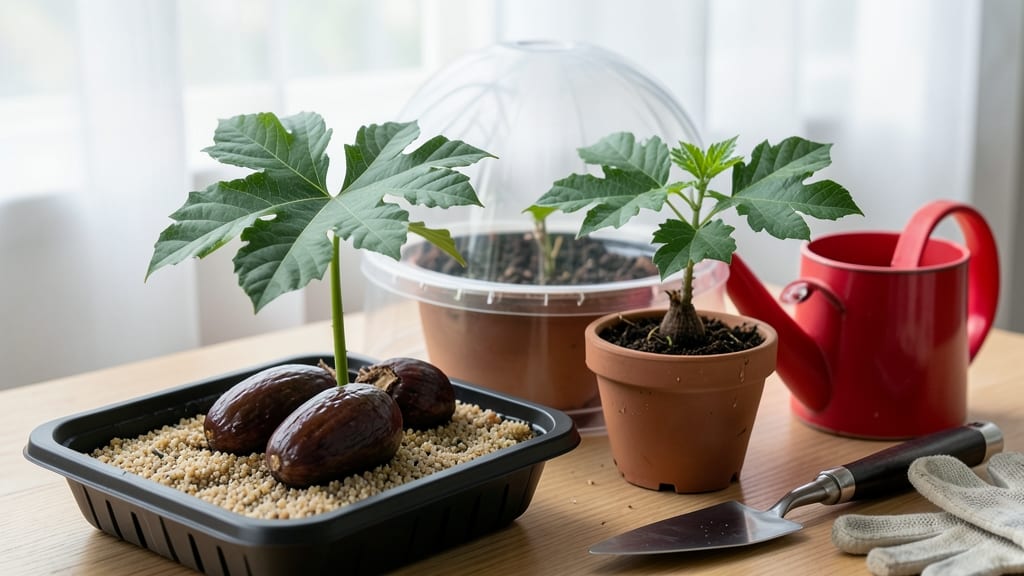
Planting a jackfruit tree from seed unlocks a tropical giant that could feed your family for decades—but only if you crack the germination code. 🌱 The key isn't just patience (though you'll need plenty of that), it's mimicking the seed's natural tropical environment right from day one.
I've watched my own jackfruit seeds sprout after what felt like an eternity, only to reward me with glossy new leaves within weeks of proper care.
You'll need just three essentials: a warm, humid spot (think 75-85°F), a well-draining soil mix with perlite, and a clear plastic bag to create a greenhouse effect. The seeds themselves are surprisingly large—about the size of a walnut—so they won't hide in your pocket.
Most beginners rush this step, but skipping the humidity chamber means weeks of waiting instead of days. My first attempt failed because I kept the soil too dry; the second sprouted in under 10 days.
Once those first leaves appear, you'll enter the most critical phase—transplanting carefully without disturbing the delicate roots. The seedling grows surprisingly fast once established, reaching 3-6 feet in its first year if given enough warmth and water.
By year three, you'll start seeing those signature large, bumpy fruits forming (though they won't be edible for at least 7-10 years). The real magic happens when the tree begins flowering, filling your yard with a sweet, tropical fragrance.
This method works best in USDA zones 10-11, but container growers in cooler climates can keep their trees indoors during winter. The biggest challenge? Space—jackfruit trees need 40+ feet of room to thrive.
Start small with a 5-gallon pot, then graduate to larger containers as the roots expand. With proper care, you'll have a living legacy that outlives most gardeners.
📚 In This Guide
- What you need
- Instructions
- Tips and common mistakes
- Wrapping up and next steps
What you need
- ● Fresh jackfruit seeds: 3–5 large, plump seeds (preferably from a ripe, organic fruit). Pro tip: 💡 Save seeds from a high-quality jackfruit for the best results!
- ● Small pots or seed trays: 4–6" diameter pots (3–5 pots, one per seed). Use well-draining soil or a seed-starting mix.
- ● Potting soil: A lightweight, well-draining mix (e.g., coconut coir + perlite or vermiculite). Avoid heavy garden soil.
- ● Watering can or spray bottle: For gentle hydration—no drowning allowed!
- ● Plastic wrap or humidity dome: To create a mini greenhouse effect and retain moisture.
- ○ Scissors or pruning shears: For trimming seed coats if needed (optional but helpful).
- ● Sunlight or grow lights: A warm, bright spot (70–85°F) for germination. A sunny windowsill or greenhouse works best.
- ○ Seed germination aid: A small amount of rooting hormone (optional, to speed up sprouting).
- ● Heat mat: If your climate is cool, a seedling heat mat (75–85°F) can boost germination.
- ● Label markers: To track seed varieties and planting dates.
- ● Fertilizer (diluted): A balanced, water-soluble fertilizer (e.g., 10-10-10) for young seedlings after 4–6 weeks.
- ● Garden gloves: To keep hands clean while handling seeds or soil.
Step-by-step instructions for planting jackfruit trees from seed
Here's my foolproof method for germinating jackfruit seeds—tested in both tropical and controlled indoor setups.
🌱 Step 1: Select and Prepare the Seeds
Start with fresh jackfruit seeds—older seeds lose viability quickly. Remove the seeds from the fruit's fibrous core and rinse them thoroughly under running water to remove any remaining pulp. Let them air-dry for 24 hours in a well-ventilated area. This prevents mold while keeping the seed coat slightly moist for better germination.
I like to soak the seeds in lukewarm water for 12-24 hours before planting. This softens the hard outer shell and speeds up germination. You'll see the seed coat start to wrinkle slightly—that's your signal it's ready for planting. If you're impatient, you can gently nick the seed coat with a knife to help water penetrate, but this isn't always necessary.
💧 Step 2: Plant the Seeds in Moist, Well-Draining Soil
Fill a small container—4-6 inches deep—with a mix of 50% potting soil and 50% perlite or coarse sand. This ensures good drainage, which jackfruit seeds need to avoid rotting. Moisten the mix until it feels like a damp sponge—no puddles, just consistently damp.
Plant the seeds 1 inch deep, spacing them 2-3 inches apart if using multiple seeds. Cover them lightly with soil and gently press down to secure them. Water the soil until it's evenly moist, but avoid soaking it. You want the soil to stay damp, not soggy. Place the container in a warm, shaded spot—75-85°F is ideal for germination.
☀️ Step 3: Provide Warmth and Humidity for Germination
Jackfruit seeds germinate best in warm, humid conditions. I cover the container with a clear plastic bag or humidity dome to trap moisture, which mimics the tropical environment they thrive in. Place the container in a spot with indirect light—direct sun can overheat the soil and dry out the seeds before they sprout.
Check the soil daily and mist it lightly if it feels dry to the touch. Germination can take anywhere from 2-6 weeks, depending on the seed's freshness and environmental conditions. Be patient—you'll know it's working when you see a small sprout pushing through the soil. Once the first true leaves appear, remove the plastic cover to prevent fungal growth.
🌿 Step 4: Transplant Seedlings into Individual Pots
When seedlings reach 4-6 inches tall and develop their first set of true leaves, it's time to transplant them into larger pots. Use 6-inch diameter pots filled with a well-draining potting mix. Gently remove the seedlings from their original container, being careful not to damage the roots. Plant them 1 inch deeper than they were in the seedling stage to encourage stability.
Water the transplanted seedlings thoroughly and place them in a spot with bright, indirect light. Avoid direct sunlight at first—young jackfruit seedlings are sensitive to intense heat. Gradually acclimate them to more sunlight over 2-3 weeks to prevent shock. You'll notice new growth within a few weeks if they're thriving.
⏰ Step 5: Care for Young Trees and Prepare for Outdoor Planting
Keep the soil consistently moist but not waterlogged as your jackfruit seedlings grow. Fertilize lightly every 4-6 weeks with a balanced, water-soluble fertilizer diluted to half strength. This encourages strong, healthy growth without overwhelming the young roots. By the time your seedlings are 1-2 feet tall, they'll be ready for their final outdoor location.
Before moving them outside, harden them off by placing them in a sheltered, shaded spot for 1-2 hours the first day, gradually increasing their time outside over 10-14 days. Once they're acclimated, plant them in a location with full sun and well-draining soil. Jackfruit trees love warmth and humidity, so if you're in a cooler climate, consider growing them in containers that can be moved indoors during winter.
Tips & tricks for planting jackfruit trees from seed
These practical insights will help you maximize your tropical tree's success from the very first step.
Seed Selection: Freshness is everything—look for seeds with a glossy, intact outer shell and minimal cracks. I always test viability by placing a few seeds in water: if they sink, they're likely viable. Avoid seeds with mold or a musty smell, as these won't germinate. The 24-hour drying period is crucial for preventing mold while maintaining moisture balance in the seed coat.
Soaking Strategy: That 12-24 hour soaking window is your best friend for speeding up germination. I recommend using lukewarm water (around 75°F) rather than cold water, which helps soften the seed coat faster. You'll know it's working when the seed coat develops slight wrinkles—this indicates the shell is breaking down. If you're impatient, a gentle nick with a knife can help, but only do this if the seed hasn't softened after 24 hours.
Soil Mix Secrets: The 50/50 potting soil to perlite/sand ratio is perfect for preventing root rot while allowing proper drainage. I like to add a handful of worm castings to this mix for extra nutrients without compacting the soil. When planting those 1-inch deep seeds, make sure to space them properly—crowding can lead to competition and stunted growth. The 2-3 inch spacing gives each seedling room to develop strong roots.
Germination Environment: That 75-85°F temperature range is critical for successful germination. If your home is cooler, consider using a seedling heat mat set to 80°F underneath the container. The plastic bag creates a mini greenhouse effect, but be vigilant about checking for condensation buildup—you want humidity, not soggy conditions that promote mold. Once those first true leaves appear, remove the cover immediately to prevent fungal growth that can harm tender seedlings.
Pro Tips for Plant Jackfruit Tree From Seed
- These practical insights will help you maximize your tropical tree's success from the very first step.
- Seed Selection: Freshness is everything—look for seeds with a glossy, intact outer shell and minimal cracks.
- Soaking Strategy: That 12-24 hour soaking window is your best friend for speeding up germination.
Frequently asked questions
Got questions about growing jackfruit from seed? You’re not alone! Here are some of the most common concerns—and their solutions—to help you succeed with your tropical treasure.
How long does it take for jackfruit seeds to germinate?
Patience is key! Jackfruit seeds typically germinate in 2–4 weeks under ideal conditions (warmth, moisture, and indirect light). If you don’t see sprouts within a month, gently check for rot—seeds need to stay moist but not soggy. Pro tip: Soak seeds overnight before planting to kickstart germination.
Can I plant jackfruit seeds directly in the ground?
While possible in tropical climates (USDA Zones 10–11), it’s riskier than starting indoors. Young seedlings are frost-sensitive and slow-growing. Instead, start seeds in pots for 6–12 months before transplanting. This gives roots time to establish—critical for survival in the long run.
Why are my jackfruit seeds rotting or moldy?
Overwatering or poor drainage is the usual culprit. Jackfruit seeds need moist but well-draining soil. Use a mix of coco coir and perlite, and plant seeds shallowly (just covering the top). If mold appears, reduce moisture and improve airflow by spacing seedlings apart.
Can I grow a jackfruit tree in a container?
Yes! Jackfruit trees thrive in large containers (15+ gallons) for 3–5 years before transplanting. Choose a pot with drainage holes and use a tropical potting mix. Keep it in full sun and fertilize monthly during growing season. Just remember: Containers limit root growth, so plan to upgrade to ground planting eventually.
Will my seed-grown jackfruit tree bear fruit?
Absolutely—but it takes time! Seedlings may take 5–10 years to produce fruit, and quality varies (some trees yield smaller or less sweet fruit). For faster results, consider grafting a known variety onto your seedling later. Patience pays off with juicy, aromatic rewards!
Wrapping up and next steps
Growing a jackfruit tree from seed is a rewarding journey that connects you to nature’s tropical bounty! 🌱 With patience, the right conditions, and a little care, you’ll soon witness those iconic, spiky fruits forming on your very own tree.
Whether you’re a seasoned gardener or a curious beginner, every seedling you nurture is a step toward a sweeter, greener future.
Now that you’re armed with the germination secrets, take the next step: start planting! Monitor your seedlings, protect them from pests, and give them the love they deserve. Soon, you’ll be harvesting your own jackfruit—nature’s gift to your efforts. Happy growing! 🌴✨