
Fertilization
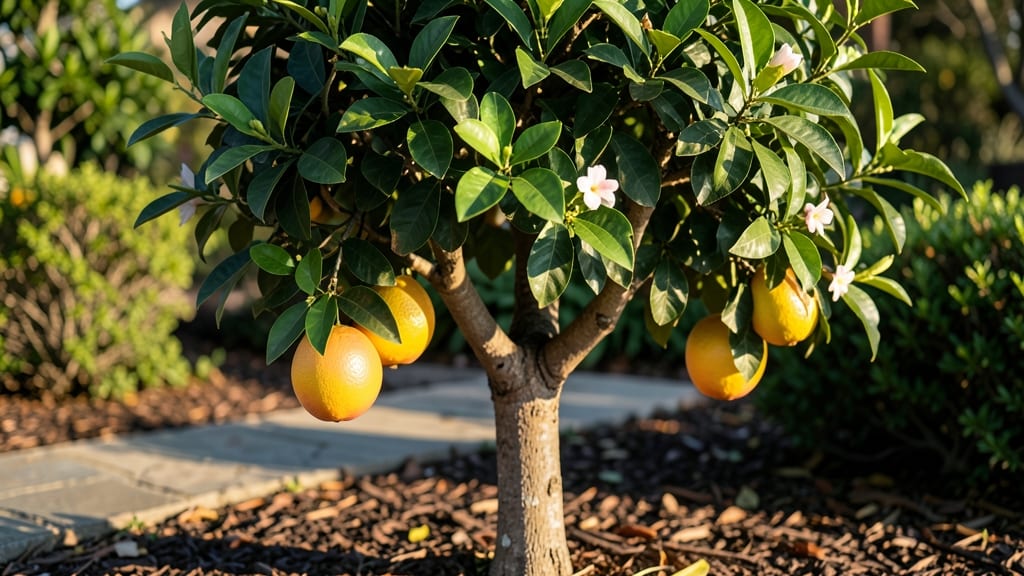
Yes, grapefruit is a citrus fruit from the Rutaceae family, specifically a hybrid (Citrus × paradisi) combining pomelo and orange traits. Its unique tart-sweet profile and thick membrane distinguish it from other citrus varieties.
Grapefruit's citrus classification comes from its botanical roots—it's the result of a natural cross between a pomelo and a sweet orange, both of which belong to the same family as lemons and limes. 🌱 What sets it apart isn't just its flavor but also its genetic makeup: grapefruit trees produce fruit with a distinctive bitter-sweet balance that's harder to find in other citrus.
The thicker pith and larger juice vesicles (the sacs holding the juice) also make it structurally different from oranges or lemons, which helps explain why it feels and tastes so unique when you slice into one.
This hybrid origin isn't just academic—it affects how grapefruit grows and what it can do in your kitchen. For example, its natural bitterness comes from compounds like limonin and naringin, which are less prominent in sweeter citrus fruits.
That's why grapefruit is often used in recipes where you want that signature zesty kick, like in marinades or desserts where a little tartness cuts through richness.
💡 In This Article
- Botanical Classification of Grapefruit in the Citrus Family
- How to Identify Grapefruit vs Other Citrus Fruits
Botanical classification of grapefruit in the citrus family
The grapefruit's scientific name, Citrus × paradisi, reveals its hybrid nature—a cross between pomelo (Citrus maxima) and sweet orange (Citrus sinensis).
This genetic fusion occurred naturally in Barbados during the 17th century, though its exact origin remains debated. 🌱 The "×" in its name denotes a hybrid, distinguishing it from true species like lemons or limes.
This crossbreeding explains why grapefruit inherits the pomelo's large size and thick rind while adopting the orange's sweetness, creating its signature tart-sweet balance.
Botanically, grapefruit stands out in the Rutaceae family through its thicker pith (albedo), which can measure up to 1/4-inch thick—nearly double that of an orange's 1/8-inch. The fruit's juice sacs (vesicles) are also larger, holding more liquid per sac, which contributes to its juicier profile.
Seed presence varies: seedless varieties exist, but traditional grapefruits often contain 5-10 seeds, a trait inherited from pomelos. This structural uniqueness affects everything from juice extraction to how the fruit feels when you peel it.
The grapefruit's rind contains higher concentrations of limonoids (bitter compounds) and flavonoids (antioxidants) than most citrus, which explains its distinctive taste and health benefits. For example, naringin—a compound responsible for grapefruit's bitterness—is found in concentrations 10x higher than in oranges.
This chemical profile isn't just about flavor; it also influences how grapefruit interacts with medications, a well-known fact among pharmacists and nutritionists alike.
What makes grapefruit's classification fascinating is its genetic instability—unlike true species, hybrids like grapefruit can produce offspring with varying traits when crossbred. This is why you'll find grapefruit varieties ranging from Ruby Red (sweeter, red-fleshed) to White Marsh (tart, pale yellow).
The instability also means grapefruit trees require careful cultivation to maintain consistent fruit quality, unlike more stable citrus like lemons or limes.
Consider this comparison: while oranges and lemons are asexual clones (grown from cuttings), grapefruit trees are typically grafted onto rootstock for stability. The grafting process involves attaching a grapefruit scion to a hardier citrus rootstock (often trifoliate orange), which helps the tree resist diseases like citrus canker.
This agricultural technique reflects the grapefruit's hybrid fragility and the extra care required to grow it successfully.
One often-overlooked detail is how grapefruit's flower structure differs from other citrus. Its flowers are slightly larger and produce more nectar, which may contribute to the fruit's sweeter taste in some varieties.
This botanical quirk is why grapefruit trees often yield fruit with a higher sugar-to-acid ratio than their pomelo ancestors, making them more palatable to modern tastes.