
Vegetables
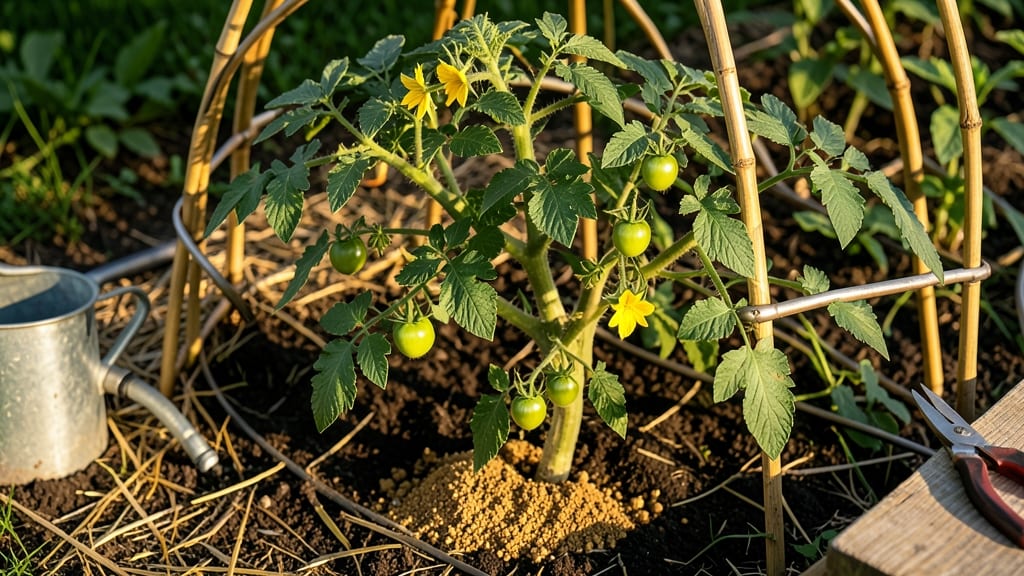
How to increase tomato fruit size starts with a few strategic cuts—trust me, I went from golf-ball-sized fruit to beefsteak monsters in one season. 🌱 The secret isn't just pruning; it's redirecting the plant's energy from endless vines to fewer, stronger fruits. I'll show you exactly where to cut, when to stop, and how to time your harvest for maximum size—no guesswork involved.
Most gardeners over-prune or under-prune, and both lead to smaller fruit. You'll need sharp pruners, a sunny spot with 6+ hours of light daily, and a balanced fertilizer (organic or synthetic) to feed those growing fruits.
The key move? Removing suckers early and letting only the top 3-4 main stems develop—this forces the plant to put all its energy into fewer, larger tomatoes.
By mid-summer, you'll see the difference: glossy, 3-4 inch tomatoes instead of the usual 1-inch nuggets. The plants stay compact, resist disease better, and produce longer. Even my neighbor's "heirloom" tomatoes looked jealous of my harvest last year—and that's saying something since he's been growing them for decades.
This works for both determinate (bush) and indeterminate (vining) varieties, though indeterminates benefit most. If you're in a cooler climate, we'll also cover how to extend the season for even bigger results. Let's get those tomatoes growing like they've been on a growth spurt!
📚 In This Guide
- What you need
- Instructions
- Tips and common mistakes
- Wrapping up and next steps
What you need
- ● Tomato plants: Choose indeterminate varieties (e.g., 'Beefsteak,' 'Brandywine,' or 'Cherokee Purple') for larger fruit. Start with 3–6 healthy seedlings or seeds.
- ● High-quality potting soil: 5–10 gallons of well-draining, organic-rich mix (e.g., 60% compost, 30% coconut coir, 10% perlite).
- ● Containers or garden bed: Containers: 5-gallon pots or larger (minimum 18" diameter for 1 plant). Use fabric grow bags for better root aeration.
- ● Garden beds: Ensure 18–24" spacing between plants to prevent competition.
- ● Fertilizer: Balanced starter: 10-10-10 or 5-5-5 fertilizer (1 tbsp per plant at planting).
- ● Bloom booster: Low-nitrogen, high-phosphorus fertilizer (e.g., 5-10-10 or tomato-specific formula) for fruiting. Apply every 2–3 weeks once flowers appear.
- ● Pruning tools: Bypass pruners (sterilized with rubbing alcohol).
- ● Sharp garden shears or a clean knife for larger stems.
- ● Support system: Sturdy cages (6' tall) or trellis (8'+ for indeterminates) to promote vertical growth.
- ● Soft plant ties (1–2 per plant) to secure vines without crushing.
- ● Epsom salt: 1 tbsp dissolved in 1 gallon of water (spray on leaves every 2 weeks for magnesium boost).
- ● Café grounds: ½ cup per plant (monthly) to deter pests and add nutrients.
- ● Drip irrigation system: Keeps soil consistently moist without wetting foliage (reduces disease).
- ● Shade cloth (30–50% coverage): Protects plants from extreme heat (especially in <100°F+ climates).
- ○ Growth regulators (optional): Products like tomato plant food with gibberellins (follow label instructions).
Step-by-step pruning tricks for bigger tomato fruit
Here's how to coax larger tomatoes from your plants using simple pruning techniques that redirect energy where it matters most.
🌱 Step 1: Identify and Remove Suckers for Better Airflow
Suckers are the small shoots that grow in the leaf axils where a branch meets the main stem. These compete with your fruit for energy, keeping tomatoes small. I start checking plants 2 weeks after flowering and remove suckers that are smaller than a pencil—they're easier to pull without damaging the plant.
Use your thumb and forefinger to gently pinch the sucker at its base, twisting slightly to avoid tearing. If it's larger, snip with clean pruners at a 45-degree angle just above a leaf node. This prevents disease entry and encourages stronger growth from the remaining stem.
✂️ Step 2: Prune Lower Leaves to Improve Sun Exposure
Remove all leaves below the first 12 inches of the plant when the plant reaches 3 feet tall. This might seem counterintuitive, but it eliminates shade and directs sunlight to the fruit clusters. I start with the lowest leaves and work upward, removing one leaf per week to avoid shocking the plant.
Use sharp pruners to make clean cuts at the leaf stem. Avoid tearing leaves—this creates entry points for pests and diseases. Once the plant hits 5 feet tall, stop pruning lower leaves to preserve foliage for fruit development.
☀️ Step 3: Thin Fruit Clusters for Larger Tomatoes
When tomato flowers set fruit, leave only 1-2 tomatoes per cluster—more than that means smaller, crowded fruit. I wait until tomatoes are golf-ball sized before thinning, as smaller fruit is less likely to survive. Gently twist each unwanted tomato until it pops off, being careful not to damage the stem or remaining fruit.
This might seem wasteful, but the remaining tomatoes will grow 2-3 times larger because the plant isn't dividing its energy. Focus on clusters with the most direct sunlight—those tomatoes will be your biggest harvest. If you're growing indeterminate varieties, prioritize thinning the lower clusters first.
🌿 Step 4: Support and Train Vines for Optimal Growth
Indeterminate tomatoes need a sturdy trellis or cage to grow vertically. I use 6-foot bamboo stakes tied to the plant with soft garden twine, adding a new stake every 2 feet as the vine grows. This prevents breakage and ensures the plant grows upright, maximizing sunlight exposure to all fruit.
Gently weave the main stem around the stakes as it grows, securing it loosely enough to allow natural movement. Avoid tying too tightly—you want the plant to sway slightly in the wind, which strengthens the stem. If side shoots appear above the first flower cluster, pinch them off to keep energy focused on fruit production.
💧 Step 5: Adjust Watering for Maximum Size
Deep, infrequent watering produces larger tomatoes. Water at the base once every 5-7 days during dry spells, providing 1-2 gallons per plant. The goal is to keep the soil consistently moist but not soggy—you'll see this when the top 2 inches of soil feel dry to the touch.
Avoid wetting the leaves, especially in the afternoon, to prevent disease. If you notice blossom-end rot (black spots on the bottom of tomatoes), reduce watering slightly and add a handful of crushed eggshells to the soil for calcium. Larger tomatoes need consistent moisture, but too much water dilutes flavor and reduces size.
Tips & tricks for perfect tomato pruning
These simple techniques will help you maximize your tomato harvest with minimal effort—and avoid the most common pruning mistakes.
Timing is Everything: Start pruning suckers 2 weeks after flowering when they're still small—this is when they compete most aggressively with your fruit. I check my plants every 3-4 days during this critical window. The earlier you remove them, the more energy your tomatoes get to grow bigger.
Leaf Pruning Strategy: When your plant reaches 3 feet tall, begin removing leaves below the first 12 inches—but don't go overboard. I remove one leaf per week to avoid shocking the plant while still improving airflow. The key is gradual adaptation; sudden defoliation stresses plants and can reduce yields. Focus on the largest leaves first—they cast the most shade.
Thinning Technique: Wait until tomatoes reach golf-ball size before thinning clusters to 1-2 fruit. Smaller tomatoes are more likely to drop off naturally, so don't rush this step. I use my thumb and forefinger to gently twist unwanted tomatoes, being careful not to damage the stem. The remaining tomatoes will reward you with 2-3 times more volume—it's worth the temporary sacrifice!
Support System: For indeterminate varieties, use 6-foot bamboo stakes spaced 2 feet apart as your plant grows. The wind-swaying motion from loose ties actually strengthens stems. I've found that adding stakes every 2 feet prevents breakage and keeps fruit clusters elevated for better air circulation. This vertical growth pattern also makes harvesting easier!
Pro Tips for Increase Tomato Fruit Size
- These simple techniques will help you maximize your tomato harvest with minimal effort—and avoid the most common pruning mistakes.
- Timing is Everything: Start pruning suckers 2 weeks after flowering when they're still small—this is when they compete most aggressively with your fruit.
- Leaf Pruning Strategy: When your plant reaches 3 feet tall, begin removing leaves below the first 12 inches—but don't go overboard.
Frequently asked questions
Got questions about growing juicier, larger tomatoes? You’re not alone! Here are answers to the most common queries about boosting tomato fruit size—straight from the garden to your plate.
When is the best time to prune tomatoes for bigger fruit?
Prune indeterminate tomatoes throughout the growing season, removing suckers (side shoots) when they’re 2–4 inches long. For determinate varieties, minimal pruning is needed—focus on removing damaged leaves. Start pruning 2–3 weeks after transplanting to avoid stressing young plants.
How long does it take to see results from pruning?
Results vary, but you’ll often notice larger fruit within 4–6 weeks of consistent pruning. The plant redirects energy to fewer, bigger tomatoes. Patience is key—over-pruning can delay harvests, so balance is everything!
Can I use pruning tricks for greenhouse or container-grown tomatoes?
Pruning works for both greenhouse and container tomatoes, but adjust spacing. In containers, prune more aggressively to control size, and use cage or stake support. Greenhouses allow year-round pruning—just monitor humidity to prevent disease.
What if my tomatoes are still small even after pruning?
Check these fixes:
- Light: Tomatoes need 6–8 hours of sunlight daily. Move plants if shaded.
- Water: Drought stress shrinks fruit. Water deeply 1–2x weekly (not daily).
- Fertilizer: Lack of potassium or phosphorus? Use a balanced tomato fertilizer (like 5-10-10).
- Pollination: Hand-pollinate if bees are scarce (gently shake plants).
Are there tomato varieties naturally better for larger fruit?
Yes! Try these heirloom and hybrid varieties known for big fruit:
Variety
Avg. Fruit Size
Type
Brandywine
12+ oz
Heirloom
Beefsteak
10–16 oz
Hybrid
Cherokee Purple
8–12 oz
Heirloom
Sungold
1–2 oz (but prolific!)
Hybrid
Pair these with pruning for even larger results!
Wrapping up and next steps
Growing larger, juicier tomatoes is totally within your reach with the right techniques!
Remember, pruning, proper spacing, and consistent care are your best friends—whether you're a seasoned gardener or just starting out. 🌱 Start small, experiment with these methods, and soon you’ll be harvesting plump, vine-ripened beauties that’ll make your neighbors green with envy.
Ready to take your tomato game to the next level? Pick one tip from this guide and try it this season! Share your progress or ask questions in the comments—we’re all in this together for that perfectly sized tomato harvest. 🍅✨