
How To
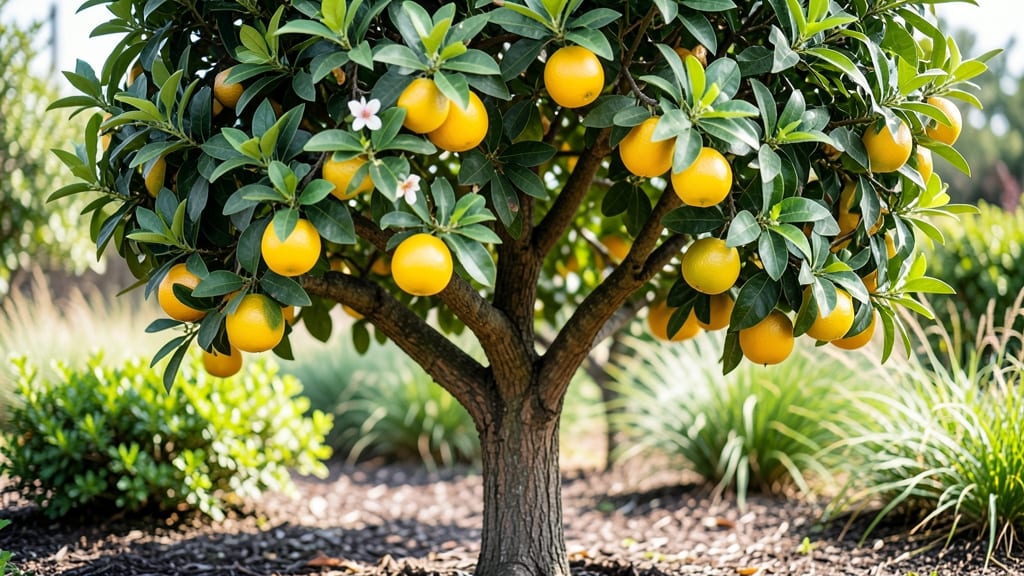
A grapefruit tree grows to how tall does a grapefruit tree grow heights of 15 to 30 feet at maturity 🍊—but the variety you choose could turn that towering citrus giant into a manageable backyard resident.
Picture this: a standard grapefruit tree stretching toward your roofline, while a dwarf variety stays compact enough to fit on a patio. The difference isn’t just aesthetics—it’s about whether you’ll need a ladder to pick fruit or can pluck it like an oversized houseplant.
In General (Subtropical/Tropical) zones like 9b-11, where grapefruit thrive, space planning is key. A full-size tree demands room to spread its branches, while dwarf varieties (like the Ruby Red) cap out at 8 to 12 feet, making them perfect for urban gardens or containers.
Below, I’ll break down the height ranges by variety, how pruning shapes growth, and which types are best for small spaces—so you can decide whether your grapefruit dreams need a skyscraper or a shrub.


Grapefruit tree height by variety: from dwarf to giant
If you're dreaming of homegrown grapefruits but worried about space, don't panic! Grapefruit trees come in three height categories: dwarf (8-12 feet), semi-dwarf (12-18 feet), and standard (20-30 feet).
The variety you choose determines whether your tree will fit in a container on your patio or need a full backyard. Let's break down the most popular types and their mature sizes to help you plan your citrus oasis.
Most grapefruit trees thrive in USDA Zones 9b-11, where they can reach their full height potential. However, even in ideal climates, pruning and rootstock choices can dramatically alter a tree's final stature.
For example, a Ruby Red grapefruit on standard rootstock may soar to 25 feet, while the same variety grafted onto dwarfing rootstock stays under 10 feet. This flexibility makes grapefruit trees perfect for both urban balconies and rural orchards.
The Ruby Red grapefruit is my personal favorite for small spaces because its dwarf varieties stay under 10 feet, making them perfect for large containers (20+ gallons). These trees produce sweet, red-fleshed fruit that's ready for harvest in 3-5 years.
If you have a small balcony, choose a dwarfing rootstock like Swingle citrumelo to keep the tree under control while maximizing fruit production.
For those with more space, Marsh Seedless grapefruits are a classic choice. Their standard varieties can grow 25-30 feet tall, creating a stunning focal point in any subtropical landscape. These trees need 15-20 feet of clearance all around to prevent shading issues and allow proper airflow.
If you're planting near your home, consider a semi-dwarf version (15-18 feet) to balance size and space needs.
If you love the creamy white flesh of White Marsh grapefruits, be prepared for a slightly taller tree—even dwarf varieties reach 8-10 feet. This variety is less common but highly prized for its sweet, seedless fruit.
For container growing, I recommend a 50-gallon pot with drainage holes to accommodate its slightly larger root system compared to Ruby Red.
One variety that's gaining popularity for small-space gardening is the Oroblanco grapefruit, a hybrid with a unique yellow-orange skin and sweet-tart flavor. Its semi-dwarf forms stay around 15-18 feet, making it ideal for espalier training against fences or walls.
This technique can reduce the tree's spread by up to
How to control grapefruit tree height through pruning and training
If you're dreaming of growing grapefruits but lack the space for a towering tree, don't worry—you can control grapefruit tree height with the right techniques.
Standard varieties can reach 20-30 feet tall, but through strategic pruning and training methods, you can keep them compact or even grow them in containers. The key is understanding when and how to prune, along with selecting the right rootstock for your space.
For most home gardeners, pruning is the simplest way to manage height. By removing excess growth, you encourage a fuller, bushier shape while preventing vertical sprawl. However, timing matters—prune at the wrong time, and you risk stunting fruit production or stressing the tree.
Combine pruning with espalier training or dwarfing rootstocks for even more control, especially in small gardens or urban spaces.
Step-by-Step Guide to Managing Grapefruit Tree Height
-
Step 1: Choose the Right Rootstock
Select a dwarfing rootstock like "Flying Dragon" or "Swingle Citrumelo" to limit height to 8-12 feet. Standard rootstocks (e.g., "Sour Orange") yield taller trees (20+ feet).
-
Step 2: Prune for Structure
Prune young trees annually in late winter (before buds swell) to remove suckers and water sprouts. Aim for a central leader with 3-4 main branches for balance.
-
Step 3: Use Espalier Training
Train branches horizontally along a trellis or fence to flatten the tree. This method works well for container-grown grapefruits and keeps height under 6 feet.
-
Step 4: Thin Out Dense Growth
Remove crossing branches and overlapping limbs to improve airflow. This prevents disease and encourages larger, healthier fruit.
-
Step 5: Top-Dress Mature Trees
For established trees, cut the top leader in early spring to halt vertical growth. This redirects energy to lateral branches, keeping the tree shorter.
-
Step 6: Container Pruning Tips
If growing in pots, prune roots every 2-3 years to control size. Use a 5-gallon container max for dwarf varieties and prune 1/3 of new growth annually.
💡 Pro Tip: Always sterilize pruning tools with rubbing alcohol to prevent bacterial spread.
Another effective method is espalier training, which involves shaping the tree into a flat plane against a wall or trellis. This not only saves space but also makes harvesting easier.
For container gardening, dwarf varieties like "Citrofortunella" or "Calamondin" hybrids are ideal—they thrive in 5-15 gallon pots and stay under 6 feet tall with proper care.
Remember, pruning should never exceed 25% of the tree's foliage in one session, or you risk shocking the plant. Always prune just above a bud or branch collar to promote healthy regrowth.
Pair your pruning efforts with regular fertilization (citrus-specific 6-6-6 blend) and consistent watering to keep your grapefruit tree productive and compact.
With these techniques, you can enjoy fresh grapefruits without sacrificing your garden’s layout. Whether you're working with a small balcony or a backyard nook, controlling height is all about planning ahead and staying consistent. Happy pruning! 🪴