
Planting
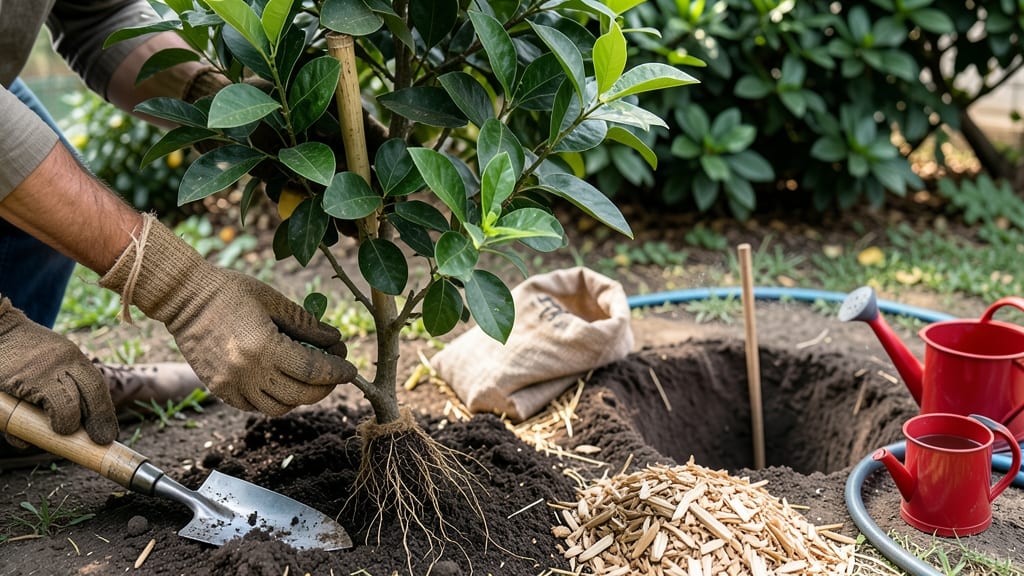
Planting grapefruit trees starts with a simple truth: you’ll never buy store-bought fruit again. 🌱 The first year I grew one, I harvested enough for homemade marmalade—and now I’m hooked.
Whether you’re in Florida’s heat or a cooler zone, these citrus trees thrive with the right care, and I’ll show you exactly how.
Grafted trees (the best choice for fruit) need well-draining soil with a pH between 6.0 and 7.5. If you’re planting outdoors, pick a spot with full sun (6+ hours daily) and shelter from harsh winds.
For indoor growing, a sunny window or grow light works, but expect slower growth. Start with a 15-20 gallon pot for young trees, and use a mix of native soil, compost, and sand for drainage.
Dig a hole twice as wide as the root ball but no deeper—grapefruit roots hate sitting too low. Place the tree so the graft union sits 2-3 inches above soil level, then backfill with native soil mixed with compost.
Water deeply until moisture reaches 6-8 inches down, and mulch around the base to retain moisture. The first harvest comes in 3-5 years, but the wait is worth it for that first tart-sweet bite.
Here’s the secret: grapefruit trees hate soggy roots, so avoid overwatering. In hot zones, water 2-3 times per week; in cooler climates, once a week is enough. Watch for aphids and scale insects—neem oil keeps them away without chemicals.
With patience, your tree will reward you with 50+ pounds of fruit per season once mature. Ready to get started?
📚 In This Guide
- What you need
- Instructions
- Tips and common mistakes
- Wrapping up and next steps
What you need
- ● Grapefruit tree: 1 seedling (from a fresh grapefruit—see tips for best seeds!) OR
- ● 1 sapling (3–6 ft tall, from a nursery) OR
- ● 1 bare-root plant (dormant season purchase, 1–2 ft tall).
- ● Well-draining soil: Mix of 60% topsoil, 30% compost, and 10% coarse sand/perlite (for sandy or clay-heavy soils).
- ● Planting container or hole: Container: 15–20 gallon pot with drainage holes (if indoors or small space).
- ● Outdoor hole: Twice as wide and deep as the root ball.
- ● Organic fertilizer: Balanced 10-10-10 or citrus-specific fertilizer (follow package rates).
- ● Mulch: 2–3 inches of wood chips or straw (keep 6 inches away from trunk).
- ● Watering can or hose: With a gentle spray nozzle.
- ● Pruning shears: Sharp, sterilized (for shaping or removing dead branches).
- ○ Stakes (optional but helpful): 2–3 wooden stakes + soft ties (for young trees in windy areas).
- ● Gloves: Heavy-duty (citrus thorns are sharp!).
- ● pH test kit: Aim for soil pH 6.0–7.0 (grapefruits love slightly acidic soil).
- ● Slow-release pellets: Osmocote or similar (for nutrient boost over 3–4 months).
- ● Frost cloth: (For zones below 10a—cover young trees in winter!).
- ● Citrus food: Liquid or granular (e.g., Citrus-Tone for micronutrients).
- ● Spray bottle: For misting leaves (humidity helps in dry climates).
Step-by-step instructions for planting grapefruit trees
Here’s my foolproof method for establishing healthy grapefruit trees that thrive year-round—no matter your climate.
🪴 Step 1: Choose the Right Location and Prepare the Soil
Grapefruit trees crave full sun—at least 6-8 hours daily—and well-draining soil. I always pick a spot with south or west exposure to maximize warmth. If your soil is heavy clay, amend it with 3-4 inches of compost mixed into the top 12 inches of soil to improve drainage.
Dig a hole twice as wide as the root ball but only as deep as the container it came in. Loosen the sides of the hole to encourage root spread. Grapefruit roots are shallow but wide-spreading, so avoid compacted soil. If your area gets cold winters, plant near a sheltered wall or frost-free zone.
🌱 Step 2: Plant at the Correct Depth and Water Thoroughly
Remove the tree from its container and gently loosen the roots if they’re circling. Place it in the hole so the top of the root ball sits level with the surrounding soil—burying too deep suffocates the trunk. Backfill with native soil mixed with a handful of slow-release fertilizer (like 10-10-10) to give it a nutrient boost.
Water deeply until the soil is moist 12 inches down—you’ll know it’s right when water pools slightly at the surface but drains within 15-20 minutes. Mulch around the base with 2-3 inches of wood chips or straw, keeping it 6 inches away from the trunk to prevent rot. This keeps roots cool in summer and warm in winter.
☀️ Step 3: Protect Young Trees and Monitor Growth
For the first 30 days, water every 2-3 days (or when the top 2 inches of soil feel dry). Grapefruit trees are drought-tolerant once established, but young roots need consistent moisture. Avoid wetting the leaves to prevent fungal diseases—water at the base instead.
Watch for new growth in 4-6 weeks. Healthy leaves should be deep green and glossy, while yellowing or curling signals overwatering or pests. If temperatures drop below 30°F, cover the tree with frost cloth—grapefruit trees are tropical and won’t survive freezing. In hot climates, provide light afternoon shade for the first year to reduce stress.
✂️ Step 4: Prune and Fertilize for Long-Term Health
Prune only to remove dead or crossing branches in the first year—never shape the tree aggressively. Use sterilized pruners to cut just above a leaf node at a 45-degree angle. This encourages strong branch development without shocking the tree.
Fertilize twice a year: once in early spring (when new leaves appear) and again in late summer (after harvest). Use a citrus-specific fertilizer with micronutrients like zinc and iron, which grapefruit trees need for sweet fruit. Spread fertilizer 6 inches from the trunk and water deeply to activate it.
Tips & tricks for planting grapefruit trees
Between us, these small details make the difference between a struggling tree and one that thrives for decades. Here's what nobody tells you about planting grapefruit trees right.
Soil Prep Secret: The 3-4 inches of compost we mix into the top 12 inches of soil isn't just about drainage—it's creating a perfect sponge-like environment for those shallow grapefruit roots. I like to add a handful of perlite to the mix too (optional) if my native soil is particularly dense. This prevents waterlogging while still holding moisture where the roots need it most. The key is working that compost in thoroughly—don't just top-dress it.
Planting Depth Watch: That root ball sitting level with the surrounding soil? Here's the thing—grapefruit trees hate having their trunks buried. I've seen new planters bury the root ball too deep, thinking it gives more support, but it actually suffocates the trunk and causes rot. Use a level to check, and if you're unsure, err on the side of slightly higher rather than buried. The roots will spread out naturally once established.
Watering Wisdom: Those 15-20 minutes for drainage might seem long, but it's crucial. You want water to penetrate all 12 inches where the roots will be growing. I test this by sticking my finger down—if it's damp at that depth, you've nailed it. Too fast? Your soil needs more compost. Too slow? You might need to add sand or perlite to improve drainage. And remember, water at the base only—those leaves aren't fans of wetness.
Frost Protection Hack: That 30°F threshold is critical, but here's what I do when frost is forecasted: I wrap the entire tree (not just the trunk) in frost cloth, securing it tightly at the bottom. Then I add a layer of bubble wrap around the trunk for extra insulation. This creates a microclimate that can protect down to about 25°F if needed. Just remember to remove it completely when temperatures rise above freezing to prevent heat buildup.
Pro Tips for Plant Grapefruit
- Between us, these small details make the difference between a struggling tree and one that thrives for decades.
- Soil Prep Secret: The 3-4 inches of compost we mix into the top 12 inches of soil isn't just about drainage—it's creating a perfect sponge-like environment for those shallow grapefruit roots.
- Planting Depth Watch: That root ball sitting level with the surrounding soil?
Frequently asked questions
Got questions about planting grapefruit trees?
You’re not alone! Here are answers to the most common concerns—from timing to troubleshooting—so you can grow citrus with confidence.
When is the best time to plant grapefruit trees?
The ideal time to plant grapefruit trees is in early spring (after the last frost) or late fall (before the first frost). This gives roots time to establish before extreme heat or cold. If you’re in a warm climate (zones 9–11), plant in winter to avoid summer stress. Avoid planting in summer—high temps can shock young trees!
Can I plant grapefruit trees in cold climates?
Grapefruit trees thrive in USDA zones 9–11, but with protection, you can grow them in cooler zones (7–8). Use a large container (move indoors in winter) or plant near a sunny, sheltered wall. Choose cold-hardy varieties like ‘Foster’ or ‘Ruby Red’, and mulch heavily to insulate roots. A heated greenhouse or row covers can also help!
How long does it take for a grapefruit tree to bear fruit?
With proper care, grapefruit trees typically produce fruit in 3–5 years, though dwarf varieties may fruit sooner (2–3 years). Patience is key—focus on watering, fertilizing, and pruning in the first 2 years to encourage healthy growth. Young trees need full sun (6+ hours/day) and well-draining soil to reach fruiting maturity.
What pests or diseases should I watch for?
Common grapefruit pests include aphids, scale insects, and citrus leaf miners, while diseases like citrus canker or root rot can be problematic. Prevent issues by:
- Inspecting leaves regularly for holes, sticky residue (honeydew), or yellowing.
- Avoiding overhead watering to reduce fungal risks.
- Using neem oil or insecticidal soap for pests.
- Ensuring proper drainage to prevent root rot.
Can I grow grapefruit from seed?
While possible, seed-grown grapefruit trees rarely produce fruit identical to the parent plant (they may be seedless or bitter). For reliable fruit, buy a grafted tree from a nursery. If you’re experimenting, save seeds from organic grapefruit, plant them in moist soil, and keep them warm (70–80°F) until germination (2–4 weeks). Expect a long wait—seedlings take 10+ years to fruit!
Wrapping up and next steps
Growing your own grapefruit tree is a rewarding journey that brings vibrant citrus to your doorstep—no matter your climate! 🌱 From selecting the right variety and soil to nurturing your tree with patience, each step unlocks the sweet, tangy joy of homegrown citrus.
With the right care, you’ll soon be harvesting juicy, sun-kissed grapefruits that taste even better than store-bought.
Ready to take the next step? Start by choosing your favorite variety (like Ruby Red or White Marsh) and order a healthy tree from a trusted nursery. Then, roll up your sleeves—your citrus orchard awaits! 🍊✨