
Planting
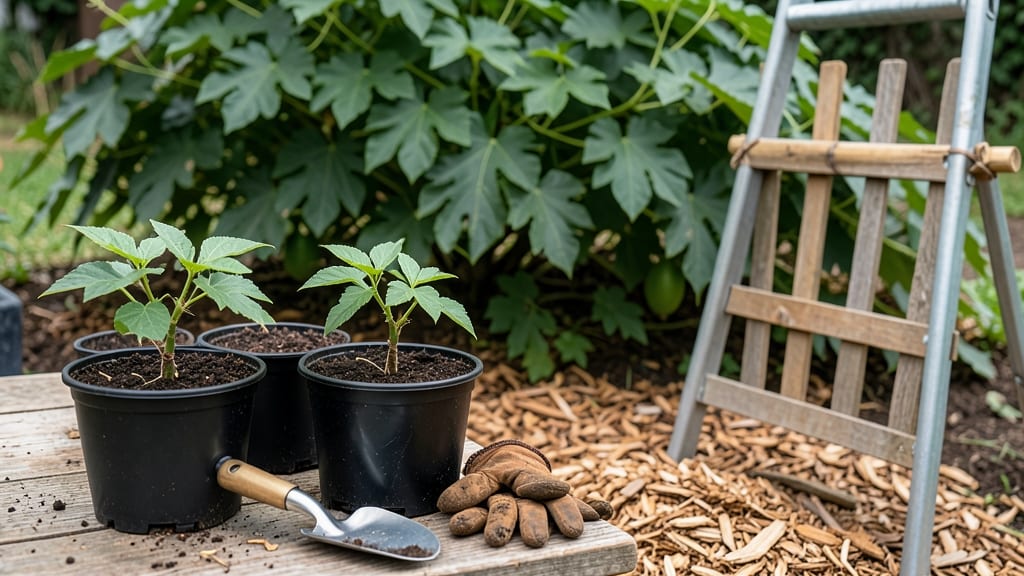
Planting passionfruit vines transforms a sunny corner into a jungle of fragrant, tropical blooms—and you’ll taste your first fruit in just six months. 🌿 I’ve grown both purple and yellow varieties in my zone 9 garden, and the key to success starts with the right spot: full sun, well-draining soil, and a sturdy trellis.
Skip these basics, and you’ll end up with leggy vines that struggle to fruit. The secret isn’t fancy equipment—it’s matching the vine’s needs to your climate. Purple passionfruit thrives in warmer zones (8-11), while yellow varieties handle slightly cooler areas (7-10).
Start with healthy cuttings or young plants from a nursery, and you’ll avoid the heartbreak of slow growth or disease. Even in containers, these vines reward patience with vibrant, edible flowers and sweet, tangy fruit by midsummer.
Once planted, keep the soil moist but never soggy—these tropical vines hate wet feet. A 5-foot trellis gives them space to climb while keeping fruit accessible, and regular pruning after harvest keeps them productive.
The first year focuses on rooting and growth; by year two, you’ll be harvesting enough to share with neighbors. Whether you’re growing in-ground or in a large pot, passionfruit vines adapt surprisingly well.
Just remember: patience is key—these aren’t fast growers, but the payoff of fresh, homegrown passionfruit makes every season of waiting worth it.
📚 In This Guide
- What you need
- Instructions
- Tips and common mistakes
- Wrapping up and next steps
What you need
- ● Passionfruit seeds or cuttings: 10–20 organic seeds (from fresh, ripe passionfruit) or 5–10 healthy vine cuttings (4–6 inches long, with 2–3 nodes)
- ○ Well-draining potting mix: 5–10 gallons (for containers) or amended garden soil (pH 6.0–7.5). Optional: Perlite or vermiculite (10–20% mix) for aeration.
- ● Containers (if not planting in-ground): 5–10 gallon pots (with drainage holes) or Large fabric grow bags (for better root health).
- ● Support structure: Trellis, fence, or sturdy stakes (6–10 feet tall) to guide vines.
- ● Fertilizer: Balanced 10-10-10 fertilizer (1 tbsp per plant, monthly) or Organic compost (aged manure or worm castings).
- ● Mulch: Straw or wood chips (2–3 inches thick) to retain moisture.
- ● Pruning shears: Sharp, sterilized tools for trimming.
- ● Watering can or hose: With a gentle spray nozzle.
- ● 🌿 Test your soil: Passionfruit hates soggy roots—amend heavy clay with sand or coconut coir.
- ● 🔥 Start seeds indoors: 8–10 weeks before last frost (if in a cooler zone) for a head start.
- ● ✨ Pollinate by hand: Use a small brush to transfer pollen if bees are scarce (especially in containers).
Step-by-step instructions for planting passionfruit vines
Here's the foolproof method I've used to establish thriving passionfruit vines in both warm climates and containers.
🌱 Step 1: Select the Right Variety for Your Climate
Passionfruit thrives in USDA zones 8-11, but with the right approach, you can grow them in cooler zones too. Purple passionfruit (Passiflora edulis) handles cooler nights better than yellow varieties (Passiflora edulis flavicarpa), which need consistent temperatures above 60°F. For zones 7 and cooler, choose hardier varieties like Passiflora caerulea (blue passionfruit) or grow in containers you can move indoors in winter.
If you're planting outdoors, pick a sheltered, sunny spot with at least 6-8 hours of direct sun. Passionfruit vines need warmth to set fruit, so avoid cold drafts or windy locations. I always test the spot for a full week first—if it drops below 50°F at night, it's too risky for tropical passionfruit.
🪴 Step 2: Prepare the Planting Site or Container
Passionfruit vines need well-draining soil—they rot quickly in soggy conditions. For in-ground planting, amend the soil with 2-3 inches of compost and mix in sand or perlite if your native soil is heavy clay. The hole should be twice as wide as the root ball but only as deep—planting too deep suffocates the roots.
For containers, use a large pot (at least 15 gallons) with drainage holes. I fill mine with a mix of 50% potting soil, 30% compost, and 20% perlite. Place a 3-inch layer of gravel at the bottom to prevent root rot. Passionfruit vines grow 15-25 feet long, so choose a sturdy container or trellis system—this plant won’t stop climbing once established.
☀️ Step 3: Plant and Provide Support Early
Set the vine in its prepared spot, then backfill with soil while gently pressing down to remove air pockets. Water deeply right after planting to settle the roots—this prevents transplant shock. Install a strong trellis or fence immediately, even if the vine is small. Passionfruit vines twine clockwise, so I attach them with soft ties and guide the growth direction from day one.
Here's the thing—passionfruit vines won’t fruit without support. If you wait until they're established to add a trellis, you'll struggle with heavy fruit later. I use powder-coated metal trellises because they last years and won’t rust when wet. Space plants 8-10 feet apart if growing multiple vines to allow airflow and prevent disease.
💧 Step 4: Water and Fertilize for First-Year Growth
Passionfruit vines need consistent moisture but hate soggy roots. Water deeply 2-3 times per week until the plant is established (about 6 months). You’ll know it’s time when the vine starts producing new leaves regularly. Let the top 2 inches of soil dry out between waterings—this prevents root rot while keeping the plant hydrated.
Feed with a balanced fertilizer (10-10-10) every 4-6 weeks during the growing season. I switch to a low-nitrogen, high-phosphorus formula (5-10-10) when flowers appear to encourage fruiting. Avoid high-nitrogen fertilizers—they promote leafy growth at the expense of fruit. Mulch with 2-3 inches of organic mulch to retain moisture and regulate soil temperature.
⏰ Step 5: Prune and Protect for Year-Round Success
Prune in late winter or early spring before new growth begins. Remove weak, crossing, or diseased branches to improve airflow. I also cut back any leggy growth to encourage bushier, more productive vines. Passionfruit vines are semi-deciduous, so don’t panic if they drop leaves in winter—they’ll regrow in spring.
In cooler climates, bring container-grown vines indoors before temperatures drop below 40°F. Place them near a south-facing window or under grow lights until spring. If growing outdoors in marginal zones, cover vines with frost cloth on cold nights. With proper care, you’ll see first flowers in 6-8 months and fruit soon after.
Tips & tricks for thriving passionfruit vines
A few simple strategies will help you avoid the common pitfalls that keep passionfruit vines from producing fruit. These are the lessons I learned after watching my first vines struggle—don't make my mistakes!
Climate Testing: Before committing to a planting spot, monitor nighttime temperatures for a full week. Tropical varieties like purple passionfruit (Passiflora edulis) need consistent warmth above 60°F—any dip below 50°F at night will stress the plant. I use a minimum-maximum thermometer to track temperatures for at least 7 days before planting. If your nights regularly drop below 50°F, container growing with winter protection becomes essential.
Soil Science: The 50-30-20 soil mix for containers (potting soil, compost, perlite) is perfect, but for in-ground planting, focus on drainage. If your native soil is heavy clay, mix in sand or perlite to create air pockets—this prevents root rot, which is passionfruit's biggest killer. I test soil drainage by digging a hole, filling it with water, and checking how long it takes to drain. If water lingers more than 2 hours, you need to amend the soil.
Trellis Timing: Install your trellis or fence immediately after planting, even if the vine is tiny. Passionfruit vines grow aggressively and need support from day one to develop strong stems. I use powder-coated metal trellises because they last years and won't rust when wet. The clockwise twining habit means you'll need to guide growth direction from the start—don't wait until the vine is established, or you'll struggle with heavy fruit later.
Watering Wisdom: The "deeply 2-3 times per week" guideline works best when you water in the morning. This gives roots time to absorb moisture before evening evaporation. I check soil moisture by sticking my finger 2 inches deep—if it feels dry, that's your cue to water. Overwatering is the silent killer of passionfruit vines, so always let the top 2 inches dry out between waterings, especially in containers where drainage is critical.
Pro Tips for Plant Passionfruit
- A few simple strategies will help you avoid the common pitfalls that keep passionfruit vines from producing fruit. Th...
- Climate Testing: Before committing to a planting spot, monitor nighttime temperatures for a full week. Tropical varie...
- Soil Science: The 50-30-20 soil mix for containers (potting soil, compost, perlite) is perfect, but for in-ground pla...
Frequently asked questions
Got questions about growing passionfruit?
You’re not alone! Here are the most common queries—and straightforward answers—to help you cultivate this tropical delight with confidence.
What’s the best climate for growing passionfruit?
Passionfruit thrives in USDA Zones 8-11 with warm summers (60–90°F) and mild winters. In cooler zones (7 or below), grow them in containers and bring them indoors during frost. If you’re in Zone 6 or colder, opt for hardier varieties like ‘Panama Red’ or grow them under glass.
How long does it take for passionfruit vines to bear fruit?
With ideal conditions, passionfruit vines can produce fruit in 12–18 months, but patience is key! The first year focuses on establishing roots and vines. Prune aggressively in early spring to encourage fruiting. Pro tip: Use a trellis or fence to support the vines—this speeds up growth by improving airflow and sunlight exposure.
Why aren’t my passionfruit vines producing fruit?
Common culprits include:
- Insufficient sunlight: Passionfruit needs 6+ hours of direct sun daily. Move potted plants to sunnier spots or trim nearby shade sources.
- Poor pollination: Hand-pollinate with a small brush if bees are scarce. Male and female flowers must be present on the same vine.
- Over-fertilizing: Too much nitrogen = leafy growth, not fruit. Switch to a low-nitrogen, high-phosphorus fertilizer (like 5-10-10) when buds form.
- Cold stress: Temperatures below 50°F can damage flowers/fruit. Use row covers in early spring or fall.
Can I grow passionfruit from store-bought fruit?
Yes! Save seeds from ripe passionfruit, rinse them, and dry them for 2–3 days. Plant them ½ inch deep in well-draining soil. Germination takes 2–4 weeks in warm conditions (70–80°F). Warning: Store-bought seeds may not be true to the parent plant’s traits—opt for grafted or nursery-propagated vines for consistency.
What can I plant near passionfruit to improve growth?
Passionfruit benefits from companion plants that repel pests or attract pollinators. Try:
Companion Plant
Benefit
Marigolds
Deters nematodes and aphids.
Basil
Improves flavor and repels flies.
Nasturtiums
Traps aphids and adds color.
Avoid planting near:
Fennel or dill (can stunt growth).
Keep soil rich in organic matter (compost or aged manure) and mulch heavily to retain moisture.
Wrapping up and next steps
Growing your own passionfruit is a rewarding journey that yields delicious, tropical treats in just six months—and with the right climate-zone prep, you’re well on your way! 🌱 From selecting the perfect variety to nurturing your vines with care, every step brings you closer to a bountiful harvest.
Now that you’re armed with the know-how, why not take the next step? Grab your gloves, pick a sunny spot, and let your passionfruit adventure begin—your taste buds (and future smoothies!) will thank you.
Pro tip: Share your progress with fellow gardeners or tag us—we love seeing your green thumbs in action! 📸