
Landscaping
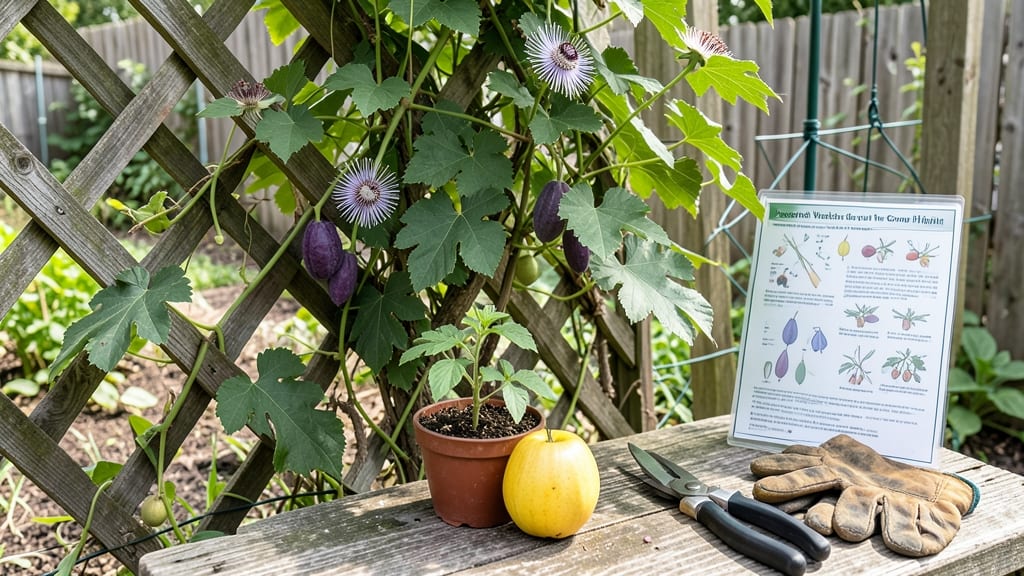
Choosing the right passionfruit starts with matching the plant to your climate and space. 🌿 Purple passionfruit (Passiflora edulis) thrives in warm zones, while blue passionfruit (Passiflora caerulea) handles cooler summers—both need strong vines to climb.
I learned the hard way that seed-grown plants take years to fruit, so I now opt for grafted varieties for faster harvests. Look for healthy vines with glossy leaves and no yellowing or spots—those are red flags for disease. Roots should be white and firm, not mushy or brown.
Self-pollinating types like 'Sweet Granadilla' are perfect for small gardens, while cross-pollinating varieties need a second plant nearby for fruit set. Once planted, you’ll taste the difference in just a few months. The first ripe fruits will be fragrant and slightly soft to the touch, with vibrant color.
A well-chosen vine means fewer pests, more fruit, and less frustration down the road. For best results, source plants from reputable nurseries specializing in tropical fruits. They’ll often carry disease-resistant varieties and provide care tips tailored to your region.
Start with just one or two plants to test what works best in your garden.
📚 In This Guide
- What you need
- Instructions
- Tips and common mistakes
- Wrapping up and next steps
What you need
- ● Passionfruit vines: Healthy, mature vines (preferably Passiflora edulis or Passiflora ligularis varieties). Look for vines with green or purple foliage and no signs of pests/disease.
- ● Fruits: 3–5 passionfruits per vine (depending on size). Aim for medium to large fruits (2–4 inches in diameter) for optimal flavor and yield.
- ○ Gloves (optional but recommended): Lightweight gardening gloves to protect your hands from thorns and sap.
- ● Pruning shears: Sharp, sterilized shears (alcohol wipe before/after use) for trimming dead or overgrown vines.
- ○ Magnifying glass (optional): Helps inspect fruit skin texture and vine details for early signs of disease.
- ○ pH test kit (optional): Soil pH should be 6.0–7.5 for optimal vine health. Test annually if growing your own.
- ● Notebook & pen: To log vine health observations (e.g., fruit color changes, pest activity).
- ● Basic botany knowledge: Familiarity with passionfruit anatomy (e.g., corolla, ovary, fruit stages).
- ● Weather awareness: Passionfruits ripen best in warm, sunny climates (60–85°F). Avoid selecting fruit after frost or extreme heat.
- ● Patience: Passionfruits take 60–90 days to ripen post-flowering. Don’t rush—wait for natural cues!
- ● Local market knowledge (if buying): Check seasonal availability in your region (e.g., summer–fall in tropical/subtropical areas).
How to choose passionfruit: ripeness cues and vine health checklist
Finding the perfect passionfruit means trusting your senses—here’s how to spot the best ones every time.
🌿 Step 1: Examine the Fruit’s Shape and Size
Passionfruit should feel heavy for their size, signaling juicy flesh inside. Look for a slightly oblong shape with a smooth, taut skin—wrinkled or shriveled fruit means it’s overripe or dried out. The ideal fruit is about 2-3 inches long, though size varies by variety (yellow passionfruit tend to be slightly larger than purple).
Gently squeeze the fruit—it should yield slightly, like a ripe peach, but not feel mushy. If it feels hard as a rock, it’s underripe; if it’s soft and squishy, it’s past its prime. This is where your touch matters most, so don’t skip the squeeze test!
☀️ Step 2: Check the Color and Skin Texture
Ripe passionfruit develop a vibrant, even color—deep purple for purple varieties or golden yellow for yellow passionfruit. Avoid fruit with dull, patchy coloring or green patches, as these indicate immaturity. The skin should also have a slight sheen, not a chalky or dry appearance.
Run your thumb over the skin—it should feel slightly waxy but not sticky. If the skin feels rough or powdery, the fruit is likely overripe. Here’s the thing: the color isn’t the only clue. A fruit that’s fully colored but still hard isn’t ready, while one that’s fully colored and yields to gentle pressure is perfect.
🌱 Step 3: Inspect the Stem and Base
The stem end of a passionfruit should look fresh, with no signs of mold, bruising, or a dried-out appearance. A slightly woody stem is normal, but if it’s shriveled or blackened, the fruit may have been harvested too early or stored poorly. Give it a sniff—ripe passionfruit have a sweet, floral aroma near the stem.
Check the base for any soft spots or leaks. If the fruit feels damp or sticky at the bottom, it’s likely fermenting inside. This is a red flag—discard it immediately. A dry, intact base means the fruit was handled carefully and is still fresh.
💧 Step 4: Test for Ripeness with a Gentle Tap
Hold the passionfruit in one hand and tap it lightly with your knuckles. A ripe fruit will sound hollow but not empty—like a well-filled balloon. An underripe fruit sounds dull, while an overripe one might feel hollow and mushy inside. This trick works best when combined with the squeeze test from Step 1.
If you’re unsure, place the fruit on a counter and give it a gentle roll. A ripe passionfruit will roll smoothly but not bounce excessively. Overripe fruit may feel sluggish or wobble oddly due to internal fermentation. Trust your ears and your instincts—this is how you avoid disappointment!
✂️ Step 5: Evaluate Vine Health for Long-Term Picks
If you’re selecting fruit from a vine, inspect the plant itself for signs of vitality. Healthy vines have glossy, dark green leaves with no yellowing or brown spots. The tendrils should be strong and flexible, not brittle or dried out. Weak vines often produce underripe or flavorless fruit.
Look for new growth at the tips of the vines—this means the plant is still active and producing energy for fruit development. Avoid vines with excessive whitefly or spider mite activity, as these pests weaken the plant and reduce fruit quality. A thriving vine is your best guarantee for consistently delicious passionfruit.
Tips & tricks for perfect passionfruit selection
Mastering passionfruit selection is all about trusting your senses—and these pro tips will help you pick the juiciest, most flavorful fruit every time.
The Weight Factor: In Step 1, when checking shape and size, remember that weight is your secret weapon. A passionfruit that feels noticeably heavy for its size (about 2-3 inches long) is packed with juicy pulp inside. I learned this the hard way after buying several that felt light and ended up being dry and mealy. The heavier it is, the more liquid gold you'll find inside!
Color Consistency Check: For Step 2, focus on even color—deep purple or golden yellow—without any green patches. Here's what nobody tells you: even if the fruit looks fully colored, gently press your thumb on it. If it doesn't yield slightly, it's not ripe yet. The color should match the firm-but-slightly-yielding texture like clockwork.
Stem and Base Inspection: In Step 3, that sweet floral aroma near the stem is your final quality check. If you can't smell anything sweet, the fruit likely wasn't ripe when harvested. For the base, look for any dampness or stickiness—this is a clear sign fermentation has started inside. I've seen too many people ignore this and end up with fruit that's basically passionfruit jam in disguise.
The Tap Test Revealed: When you tap the fruit in Step 4, think of it like checking a drum—you want that "thwack" that sounds hollow but full, not empty. The rolling test is equally important: a ripe passionfruit should roll smoothly without bouncing. I've used this trick at farmers' markets to spot the best fruit from yards away, and it never fails to impress!
Pro Tips for Choose Passionfruit
- Mastering passionfruit selection is all about trusting your senses—and these pro tips will help you pick the juiciest, most flavorful fruit every time.
- The Weight Factor: In Step 1, when checking shape and size, remember that weight is your secret weapon.
- Color Consistency Check: For Step 2, focus on even color—deep purple or golden yellow—without any green patches.
Frequently asked questions
Got questions about picking the perfect passionfruit? You’re not alone! Here are answers to the most common queries to help you shop like a pro.
How do I know if a passionfruit is ripe?
A ripe passionfruit should feel heavy for its size and yield slightly when gently squeezed. Look for a deep purple or golden-yellow skin (depending on variety) with no green patches. If it’s too firm or has a dull color, it’s not ready yet!
Can I eat passionfruit that’s not fully ripe?
Yes, but it won’t be as sweet or juicy. Unripe passionfruit can be hard and bland, but you can ripen them at room temperature for 2–3 days. For best flavor, wait until they’re fully ripe—patience pays off!
What should I look for in a healthy passionfruit vine?
Healthy vines have vibrant green leaves (no yellowing or spots) and thick, woody stems. Avoid vines with wilting foliage, pests, or mold. If buying potted plants, check the soil—it should be moist but not soggy.
Where’s the best place to buy passionfruit?
For freshness, local farmers' markets or specialty grocers are ideal. If shopping online, choose reputable sellers with recent harvest dates and reviews. Avoid gas-station produce—it’s often overripe or underripe!
Why is my passionfruit turning mushy?
Overripe passionfruit becomes soft and seedy inside. If this happens, use it immediately in smoothies or desserts. To slow ripening, store them in the fridge (not freezer) and eat within 3–4 days.
Can I grow passionfruit from a store-bought fruit?
Yes! Save the seeds, dry them, and plant them in well-draining soil. However, store-bought seeds may not produce true-to-type fruit. For better results, buy a grafted vine from a nursery.
Wrapping up and next steps
Choosing the perfect passionfruit is all about balancing ripeness and vine health—two simple yet powerful cues! 🌱 Whether you’re growing your own or picking from a market, remember: a slightly wrinkled, fragrant skin and vibrant green or purple hue are your best friends.
Plus, healthy vines mean a sweeter, more abundant harvest.
Now that you’re armed with these tips, why not plant your own vine? Start small with a few seeds or cuttings, and soon you’ll be enjoying homegrown passionfruit year after year. Happy growing! 🌟