
Diseases
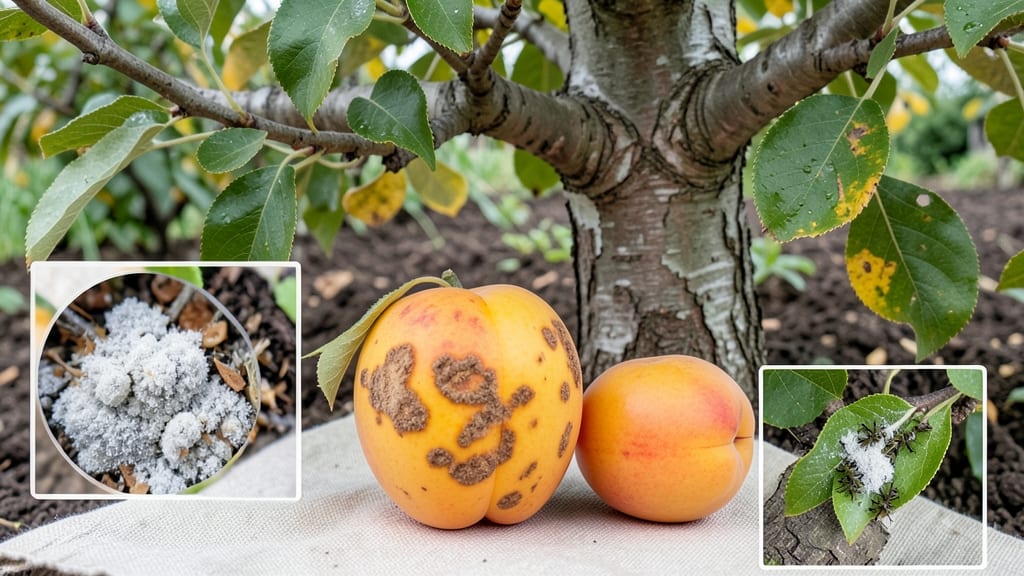
Brown spots on apricot fruit are the last thing you want to see after months of waiting for harvest. 🌱 I've battled this exact problem three seasons running—until I discovered the simple, apricot-specific fixes that actually work.
The good news? You can salvage this year's crop and protect next year's with just three targeted steps.
Most of those ugly brown spots come from brown rot fungus, which thrives in wet conditions and spreads like wildfire once it gets a foothold. You'll notice small, circular spots that grow fuzzy and sunken over time, often starting near the stem.
Bacterial spots look similar but stay water-soaked and ooze when pressed. The key difference? Fungal spots develop a white, powdery mold in humid weather.
Here's the fix: remove infected fruit immediately, prune branches 6 inches below infected areas, and apply a copper fungicide spray every 7-10 days during wet periods.
For organic gardeners, a baking soda solution (1 tbsp per gallon of water with a drop of dish soap) works surprisingly well when sprayed preventatively. The goal? Stop the spread before it ruins your entire harvest.
This method works whether you're dealing with backyard trees or commercial orchards. The secret is acting fast—once the fungus takes hold, even chemical treatments struggle to save the fruit. With these steps, you'll keep your apricots looking sweet and your tree healthy for years to come.
Root Causes of Apricot Spots
Brown spots on apricots aren’t just cosmetic—they’re often a sign of underlying stress or infection. Understanding the why behind these blemishes helps you tackle the problem at its source. Below, we break down the most common culprits, from environmental factors to microbial invaders, with clear explanations and actionable insights.
Fungi are the #1 cause of brown spots on apricots, thriving in warm, damp conditions. Two primary offenders stand out:
🍄 Monilinia laxa (Brown Rot) – The Stealthy Spoiler
This aggressive fungus attacks both flowers and fruit, causing:
- Dark, sunken spots that expand rapidly (often with a fuzzy gray mold).
- Leathery, mummified fruit clinging to branches post-harvest.
- Cankers on branches, which release spores to infect next season’s fruit.
Why it happens:
- Wet springs (rainy blooming periods) create the perfect fungal buffet.
- Poor airflow in orchards (dense canopies, overcrowded trees) traps moisture.
- Wounds from hail, birds, or pruning give fungi an entry point.
💡 Pro Tip: Prune infected branches during dry weather and sterilize tools with 70% alcohol to prevent spread.
🍅 Cladosporium or Alternaria – The Mild-Mannered Stainers
Less destructive than brown rot but still annoying, these fungi cause:
- Small, scattered brown spots with halos (yellowish rings).
- Superficial discoloration that doesn’t penetrate deep into the fruit.
Why it happens:
- High humidity (80%+ for prolonged periods) encourages spore germination.
- Overhead irrigation splashes spores onto fruit, acting like a fungal taxi service.
- Nutrient imbalances (excess nitrogen) weaken fruit skin, making it easier for fungi to latch on.
🌡️ Key Trigger: Spots worsen in hot, humid summers (think: 85°F+ with sticky air).
Not all brown spots are fungal—sometimes, it’s Mother Nature playing tricks.
☀️ Sunburn: The Overzealous UV Scorcher
- Symptoms: Pale brown, leathery patches (often on sun-exposed sides of fruit).
- Why it happens:
- Water stress (drought or poor irrigation) makes fruit more susceptible.
- Hail or wind damage exposes inner tissue to sunlight, accelerating browning.
🎯 Prevention: Use shade cloth during peak sun (11 AM–3 PM) or apply white reflective mulch around trees.
💧 Water Stress: The Drought or Flood Dilemma
- Symptoms: Irregular brown patches (often near the stem) or cracked, shriveled fruit.
- Why it happens:
- Overwatering (poor drainage) triggers anaerobic conditions, suffocating roots and stressing fruit.
- Sudden rain after drought causes split pits or bacterial entry points.
🔥 Quick Fix: Maintain 1–1.5 inches of soil moisture and avoid wetting fruit during irrigation.
Insects and mites don’t always leave obvious holes—they can cause indirect browning by:
- Feeding on sap (e.g., aphids, scale insects), weakening fruit and inviting fungal infections.
- Scratching skin (e.g., fruit flies, mites), creating entry points for pathogens.
🕷️ Common Culprits:
| Pest | Damage Signs | Why It Leads to Spots |
|---|---|---|
| Apricot Fruit Fly | Tiny entry holes, brown oozing spots | Larvae inject bacteria; fruit rots internally. |
| Spider Mites | Stippled, bronze-colored skin | Weakens cells; fungi hitchhike on wounds. |
| Scale Insects | Sticky residue (honeydew), sooty mold | Honeydew attracts fungi like Cladosporium. |
👨🍳 Solution: Use row covers early in season or apply neem oil (fungicidal + pesticidal) during bloom.
Brown spots can also signal mineral imbalances, particularly:
- 🟠 Calcium Deficiency → Blossom end rot (brown, leathery patches near the stem).
- Why? Poor calcium uptake (common in alkaline soils or drought stress) disrupts cell walls.
- 🟢 Magnesium Deficiency → Interveinal chlorosis (yellowing between veins) that turns brown.
- Why? Magnesium is key for chlorophyll production; without it, fruit can’t photosynthesize efficiently.
💡 Soil Test Tip: Check pH (6.0–7.0 ideal) and calcium levels—amend with gypsum or lime if deficient.
Even perfect fruit can develop spots after picking due to:
- Bruising from rough handling → oxidation (browning where cells burst).
- Ethylene gas exposure (from ripe fruit stored together) → accelerated ripening spots.
- Temperature fluctuations (e.g., storing in cold, humid conditions) → chill injury (gray-brown, water-soaked patches).
⏰ Storage Fix: Keep apricots at 32–34°F and 90% humidity—never refrigerate unripe fruit!
Fixing Apricot Spots Naturally
Now that you know what’s causing those unsightly brown spots on your apricots, it’s time to take action! Whether it’s fungal infections, sunburn, or storage issues, these practical solutions will help you restore your fruit’s health—and prevent future problems.
Let’s dive into targeted fixes for each common cause, along with easy prevention tips to keep your apricots looking fresh.
If your apricots are covered in fuzzy brown spots or mold, fungal diseases like Monilinia (brown rot) or Colletotrichum (anthracnose) are likely to blame. Here’s how to tackle them:
🔥 Remove Infected Fruit Immediately
- Step 1: Pick up any apricots with brown spots and discard them in the trash (not the compost).
Fungal spores spread easily, and tossing infected fruit prevents cross-contamination. - 💡 Pro Tip: Check the tree or storage container for spores—wipe down surfaces with a 1:10 bleach-water solution (1 part bleach to 10 parts water) to kill lingering spores.
🌡️ Apply Fungicide (Organic or Chemical)
- Option 1 (Organic): Use a copper-based fungicide (like copper sulfate) or a baking soda spray (1 tbsp baking soda + 1 tsp dish soap + 1 gallon water).
Spray every 7–10 days during wet seasons. - Option 2 (Chemical): For severe infections, sulfur or potassium phosphite fungicides work well. Follow label instructions for application timing. - ⏰ Best Time: Apply fungicide before symptoms appear (preventative) or at the first sign of spots.
🌿 Improve Airflow & Sanitize Tools
- Thin out branches to reduce humidity and improve airflow around fruit.
- Sterilize pruning tools with rubbing alcohol between uses to avoid spreading spores.
🎯 Prevention for Next Season
- Prune trees in late winter to remove dead wood where fungi hide.
- Mulch properly—keep mulch 6+ inches away from the trunk to prevent moisture buildup.
- Harvest promptly—don’t let fruit overripe on the tree.
If the brown spots are dry, cracked, or sunken (not fuzzy), sunburn is likely the culprit. Apricots are sensitive to intense sunlight, especially in hot climates.
👨🍳 Provide Shade for Young Fruit
- Use shade cloth (30–50% coverage) over young apricot trees during peak sun hours (10 AM–4 PM).
- Plant near taller trees (like pecan or walnut) to naturally filter sunlight.
💧 Water Deeply & Consistently
- Deep watering (1–2 inches per week) helps apricots develop thicker skins that resist sun damage.
- Avoid overhead watering—wet fruit + sun = more burn risk.
🍎 Harvest at Peak Ripeness
- Pick apricots when they’re firm but slightly soft to the touch. Overripe fruit on the tree is more prone to sun damage.
🌡️ Store Properly After Harvest
- Keep apricots in a cool (32–40°F), humid (90–95%) environment (like a fridge) to slow down sunburn progression.
- Avoid washing until ready to eat—moisture speeds up spoilage.
If brown spots appear after harvest, storage conditions are likely the issue. Apricots are delicate post-pick!
⏰ Handle with Care
- Don’t wash until ready to eat—excess moisture speeds up mold growth.
- Use a single layer in storage containers to prevent bruising (which leads to browning).
🧊 Store Correctly
- Refrigerate immediately (apricots ripen fast at room temp).
- Use a paper towel in the container to absorb excess moisture.
- Avoid ethylene-producing fruits (like apples or bananas) nearby—they speed up ripening and spoilage.
✨ Extend Shelf Life with These Tricks
- Freeze for long-term storage: Pit apricots, slice, and freeze on a tray before bagging.
- Use a humidity-controlled veggie drawer—apricots prefer 90–95% humidity.
No matter the cause, these habits will keep your apricots spot-free:
- Monitor trees weekly for early signs of spots or fungal growth.
- Rotate fungicides if using chemicals to prevent resistance.
- Pick fruit at the right stage—neither underripe nor overripe.
- Clean up fallen fruit immediately to reduce fungal spread.
By following these steps, you’ll not only save your current crop but also protect future harvests from brown spots. Happy growing! 🌱🍑
Frequently asked questions
Can I still eat apricots with brown spots?
It depends on the cause! If the spots are from fungal infections (like brown rot), discard them immediately—they can spread spores and may be unsafe. For sunburn or minor bruising, cut out the affected area and eat the rest. Always wash fruit before eating, even if the spots look harmless.
Why do my apricots get brown spots even when I water them regularly?
Overwatering or poor drainage can cause water stress, leading to brown patches. Apricots need 1–1.5 inches of water per week—check soil moisture 2 inches deep before watering. If your soil is heavy clay, amend with compost to improve drainage and reduce fungal risks.
How do I tell if brown spots are from fungus or sunburn?
Fungal spots are usually fuzzy, sunken, or moldy (especially in humid weather), while sunburn appears as dry, leathery patches on sun-exposed sides. Press a spot: if it oozes or smells musty, it’s likely fungal. Sunburn spots stay dry and crispy.
Will copper spray harm bees or other pollinators?
Yes, copper fungicides can be harmful to bees and beneficial insects. Apply sprays only during late afternoon when bees are less active, or use organic alternatives like neem oil or baking soda. For best results, combine copper with row covers during bloom to protect pollinators.
Can I save next year’s apricots if my tree already has brown spots?
Start with late-winter pruning to remove infected branches, then apply a pre-bloom fungicide (like copper or sulfur). Thin fruit clusters to improve airflow, and avoid overhead watering. These steps can reduce fungal spread by 70–90% for the next harvest.