
Plants
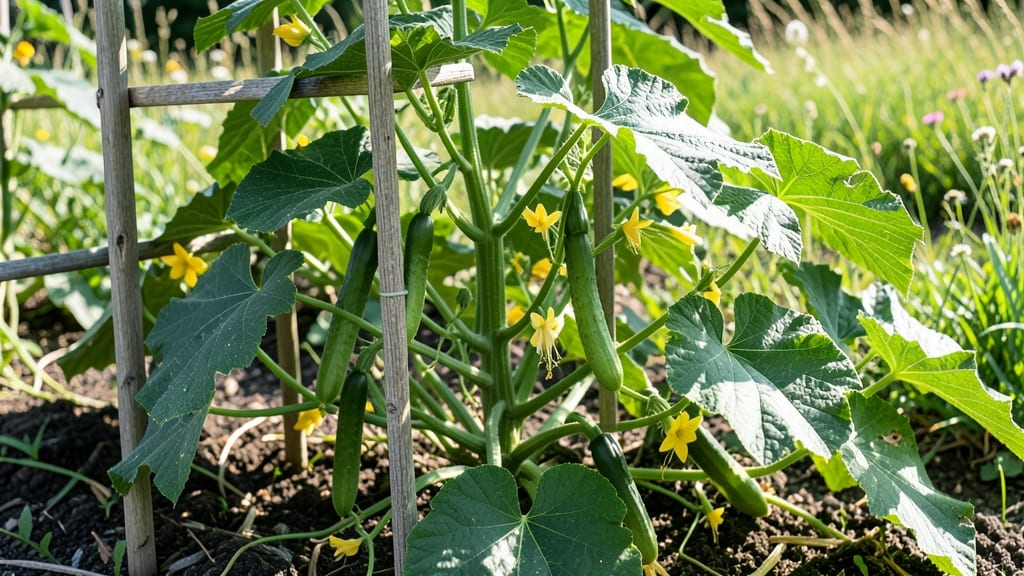
Cucumber plants produce fruit for anywhere from 45 to 120 days, depending on the variety and growing conditions 🥒—but most gardeners miss the tricks to stretch that window even longer.
Picture this: You’ve just planted your cucumber seeds in early spring, and by midsummer, your vines are heavy with fruit. But then—just as you think the harvest is winding down—you notice the plants slowing.
That’s when you realize how much you could have gotten if you’d known the right care strategies.
Some varieties, like bush cucumbers, may only produce for 6-8 weeks, while vining types can keep going for 3-4 months if given the right support, water, and pruning. The key to extending your harvest isn’t just luck—it’s understanding your plant’s needs and acting at the right time.
In this guide, I’ll break down the exact timeline by variety, the factors that shorten or lengthen production, and the simple steps to revive waning plants for a second harvest. By the end, you’ll know how to turn a short-lived harvest into a steady supply all season long.
Cucumber plant fruit production timeline by variety type
If you're growing cucumbers, knowing how long your plants will produce fruit is key to planning your harvest.
Most cucumber varieties follow a predictable fruiting window, but the exact duration depends on whether you're growing slicing, pickling, or heirloom types. Early-season varieties can start producing in as little as 30 days, while some heirlooms may continue bearing fruit for up to 120 days under ideal conditions.
Understanding these timelines helps you space plantings for continuous harvests and avoid disappointment when vines start to decline. For example, bush varieties typically have shorter production windows than vining types, which can climb and produce fruit for months if properly cared for.
Let’s break down the fruit production timelines by variety to help you plan your garden like a pro.
📌 Pro Tip: Always check seed packets for days to maturity—this number represents the time from planting to first harvest, not total production duration. The actual fruiting window can be 2-4 weeks longer if you keep harvesting regularly.
| Variety Type | Days to First Fruit | Total Production Window | Peak Harvest Period | Notes |
|---|---|---|---|---|
| Early Slicing (e.g., 'Straight Eight', 'Marketmore') | 30-40 days | 45-60 days | Weeks 3-8 after planting | Fast producers; ideal for short seasons |
| Mid-Season Slicing (e.g., 'Lemon Cucumber', 'Armenian') | 45-55 days | 60-80 days | Weeks 5-12 after planting | Balanced production; great for trellising |
| Late-Season Slicing (e.g., 'Diva', 'Sweet Success') | 55-65 days | 80-100 days | Weeks 6-14 after planting | Extended harvest; disease-resistant |
| Pickling (e.g., 'Boston Pickling', 'National Pickling') | 40-50 days | 50-70 days | Weeks 4-9 after planting | Compact plants; produce small, uniform fruit |
| Heirloom (e.g., 'Straightneck', 'Corinto') | 50-60 days | 90-120 days | Weeks 6-16 after planting | Longest production; requires consistent care |
| Bush Varieties (e.g., 'Bush Champion', 'Spacemaster') | 45-55 days | 50-70 days | Weeks 5-10 after planting | Shorter vines; ideal for containers |
Now that you know the typical production windows, you can strategically plant varieties to stagger your harvest. For example, pair an early slicing variety like 'Straight Eight' with a late-season heirloom like 'Corinto' to enjoy cucumbers from late spring through early fall.
This approach ensures you’re never without fresh fruit and maximizes your garden’s productivity.
One common misconception is that cucumber plants produce fruit continuously without breaks. In reality, most varieties experience a peak production phase followed by a gradual decline.
For instance, pickling varieties often produce the most fruit in the first 4-6 weeks after flowering, while heirlooms may have multiple smaller peaks over 3-4 months.
To extend your harvest, focus on regular pruning and consistent watering. Removing old or diseased leaves improves air circulation, while keeping soil evenly moist encourages new flower and fruit development.
I’ve found that mulching around the base of vining varieties helps retain moisture and cool roots, which can add 10-1
Factors that extend or shorten cucumber fruit production
Cucumber plants can produce fruit for 4-8 weeks continuously if given ideal conditions, but many gardeners see production taper off after just 3-4 weeks. The key difference? Proactive care during critical growth stages.
Without proper attention, cucumbers may stop fruiting due to stress from nutrient depletion, pest damage, or environmental extremes. Understanding these factors lets you extend harvests by 30-50% or more.
Your cucumber plants' fruit production timeline isn't set in stone—it's directly influenced by five major factors within your control. From pruning techniques that boost airflow to watering schedules that prevent blossom-end rot, each element plays a role.
Even soil fertility and pest management can shift your harvest window from a disappointing 2-week burst to a month-long feast.
Let's start with pruning, which many gardeners overlook. I've seen vining varieties like 'Straight Eight' produce for 6+ weeks when trained on a trellis with weekly pruning, while neglected plants quit after 3 weeks.
The trick is removing suckers (side shoots) while keeping 4-5 main stems. This redirects energy to fruit production instead of leaf growth.
Next, soil fertility often gets ignored until plants wilt. I recommend side-dressing with compost every 3-4 weeks during the growing season. A balanced fertilizer (10-10-10) applied at planting and again when flowers appear works wonders.
One of my bush varieties went from 2 weeks of production to 5 weeks after adding aged manure mid-season.
Watering might seem simple, but timing and consistency make all the difference. I water my cucumbers deeply at the base every morning before 10 AM to prevent fungal diseases.
During heatwaves, I increase frequency to twice daily. Proper hydration keeps plants producing for weeks longer than those suffering from drought stress or blossom-end rot.
Finally, pest management can't be stressed enough. I lost an entire pickling cucumber patch to squash bugs one year—production stopped completely within 10 days. Now I use yellow sticky traps and neem oil sprays preventatively.
Even aphids, while less destructive, can weaken plants enough to shorten harvests by 20%.
By mastering these five factors, you'll transform your cucumber plants from short-lived producers to long-season performers. Start with one area—like pruning or soil fertility—and watch your harvest timeline double or triple in just one growing season. 🌱