
Propagation
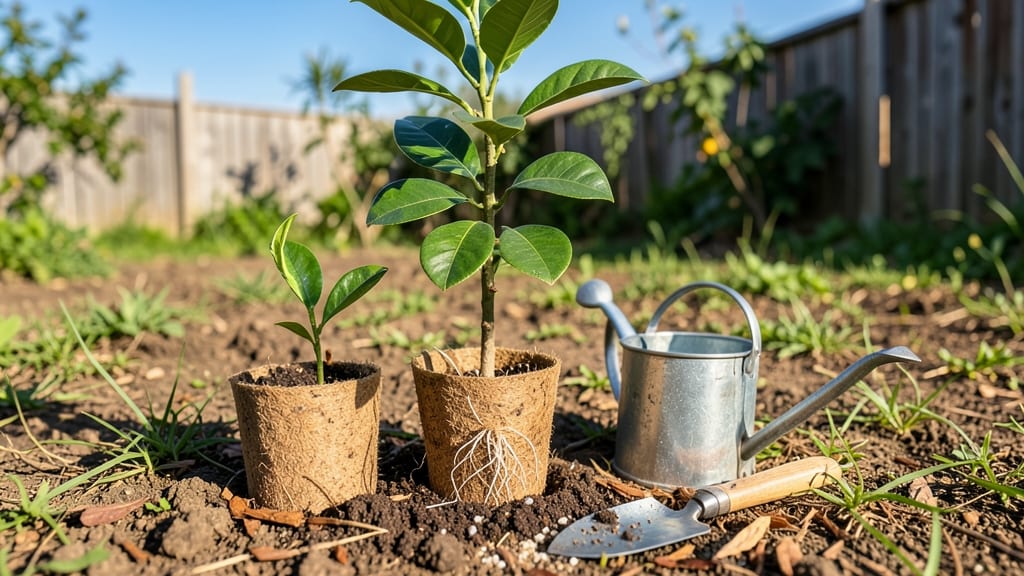
Growing a grapefruit tree from seed is faster than you think—germination happens in just 2-3 weeks with the right setup. 🌱 I’ve watched those first pale green leaves push through the soil like magic, and you can too, even if you’ve never propagated citrus before.
The secret lies in prepping the seed properly: soaking it overnight and planting it in warm, well-draining soil. A sunny windowsill or a seedling heat mat speeds things up, while consistent moisture keeps the seed from drying out. Most beginners overwater, so let the top inch dry between drinks.
By month 3, you’ll have a sturdy 6-inch seedling ready for its first transplant. The real patience test comes later—fruit takes 5-10 years, but the journey is worth it. Every leaf unfurling feels like a victory. Works indoors or out, though young trees need protection from cold snaps.
Here’s how to avoid the pitfalls and keep your seedling thriving.
📚 In This Guide
- What you need
- Instructions
- Tips and common mistakes
- Wrapping up and next steps
What you need
- ● Grapefruit seeds: 3–5 fresh, plump seeds (harvested from a ripe, organic grapefruit—avoid store-bought seeds treated with fungicides).
- ● Seed-starting mix: 1 small container (4–6 inches deep) of well-draining potting soil (look for a blend labeled for seeds or seedlings).
- ● Plastic or biodegradable pots: 3–5 small pots (2–3 inches in diameter) with drainage holes, or a seed tray with individual cells.
- ● Clear plastic dome or ziplock bag: To create a humidity tent (or a spray bottle if misting instead).
- ● Spray bottle: With water (for gentle misting) or a watering can with a fine rose.
- ● Grow lights or sunny windowsill: A south-facing window with 6+ hours of sunlight or a 10–12" LED grow light (for consistent warmth).
- ○ Heating mat (optional but helpful): A seedling heat mat set to 75–85°F to speed up germination.
- ● Fertilizer: A balanced liquid fertilizer (5-5-5 or 10-10-10) diluted to half-strength, or organic options like fish emulsion.
- ● Larger pots: 5–7 inch pots with drainage for the first year, then a 10–15 gallon container (or in-ground planting if in a frost-free zone).
- ● Well-draining soil: A mix of 50% citrus potting soil, 30% perlite, and 20% compost (grapefruit trees hate soggy roots!).
- ● Pruning shears: Sharp, clean shears for shaping and removing dead growth.
- ● Mulch: Organic mulch (like bark chips) to retain moisture and regulate soil temperature.
- ○ Support stake (optional): A 3–4 foot stake for young trees in windy areas.
Step-by-step instructions for growing a grapefruit tree from seed
Here's how to kickstart your citrus adventure with seeds that sprout in record time.
🌱 Step 1: Select and Prepare the Seeds
Choose a ripe grapefruit from the grocery store—organic is best, but any will work. Cut it open and remove 4-6 seeds, cleaning off any pulp with water. I like to soak them in warm water for 24 hours to soften the outer coating; this speeds up germination by breaking dormancy. You'll see the seeds swell slightly as they absorb moisture.
After soaking, place the seeds between damp paper towels in a sealed plastic bag. Store them in a warm spot—70-75°F works perfectly—like on top of the fridge. Check daily and mist with water if the towels feel dry. Within 3-5 days, you'll see tiny white roots emerge—this is your signal to move to soil.
🪴 Step 2: Plant in Containers with Drainage
Fill small pots—3-4 inches deep—with a mix of 50% potting soil and 50% perlite to ensure drainage. I use 4 pots to start, since germination rates vary. Plant each seed ½ inch deep in its own pot, spacing them evenly. Gently press the soil around the seed to secure it without compacting.
Water lightly until the soil feels damp but not soggy. Place the pots in a bright, indirect light spot—like a south-facing window with sheer curtains—to prevent scorching. Avoid direct sun at this stage; seedlings are delicate. You'll know moisture is right when the soil surface looks slightly damp but not glistening.
☀️ Step 3: Provide Warmth and Consistent Moisture
Keep the soil consistently moist but never waterlogged. I use a spray bottle to mist the surface every 2-3 days until the first true leaves appear. A seedling heat mat set to 75-80°F under the pots speeds up germination by 2-3 days. Without one, germination may take 7-10 days instead of the promised 3-5 days.
Once the first true leaves emerge—these look like tiny, dark green ovals—the seedlings are ready for brighter light. Move them to a south-facing window or under a grow light for 12-14 hours daily. You'll see leggy growth if light is insufficient; this is the plant stretching toward any available light source.
✂️ Step 4: Thin and Transplant for Stronger Growth
After 4-6 weeks, when seedlings have 3-4 sets of true leaves, thin to the strongest one per pot. Gently pull the weaker seedlings to avoid disturbing the roots of the remaining plant. This reduces competition for nutrients and encourages faster growth. Keep the soil moist but not soggy during this transition.
When the seedlings reach 6-8 inches tall, transplant them into 5-gallon pots with fresh potting mix. I add a handful of slow-release citrus fertilizer to the new soil to give them a nutrient boost. Place the pots in a spot with 6+ hours of direct sun daily, like a patio or greenhouse. You'll notice new leaves forming within 2-3 weeks as the plant adjusts.
💧 Step 5: Maintain and Encourage Fruit Production
Water deeply when the top 1-2 inches of soil feel dry. Citrus trees hate soggy roots, so always ensure pots have drainage holes. Feed every 2 months with a balanced citrus fertilizer to promote healthy growth. Prune leggy or crowded branches to encourage a bushier shape, cutting just above a leaf node.
Grapefruit trees grown from seed may take 5-10 years to bear fruit, but the journey is rewarding. Keep the plant in a warm, sunny spot year-round—citrus trees are sensitive to cold and need temperatures above 40°F to thrive. Patience pays off with fragrant blossoms and eventually, your own homegrown grapefruits!
Tips & tricks for growing a grapefruit tree from seed
Real talk: The fastest way to grow citrus from seed is all about timing and environment. Here's what I've learned from watching seeds sprout in record time.
Seed Preparation: That 24-hour soak isn't just about speed—it's about breaking the seed's natural dormancy. I've found that using filtered or distilled water prevents mineral buildup that could inhibit germination. After soaking, place the seeds between paper towels and roll them up gently to maximize surface area for oxygen exposure. This helps roots emerge faster within the promised 3-5 days.
Temperature Matters: The 70-75°F range for seed storage is crucial, but consistency matters more than the exact number. I've had seeds germinate in 2 days when placed directly on top of a refrigerator (which runs around 75°F) versus 5 days when kept in a cooler kitchen. If your home runs cooler, consider using a seedling heat mat set to 75°F—it cuts germination time by nearly half.
Light Transition: Moving seedlings from indirect to direct light at the right moment is where most people mess up. Wait until you see those first true leaves—tiny dark green ovals—that's your cue to increase light exposure. I've seen seedlings develop leggy growth when moved too early, so patience here pays off. For indoor growers, a simple LED grow light on a timer for 12-14 hours daily works wonders.
Transplanting Strategy: When thinning after 4-6 weeks, I recommend keeping the strongest seedling per pot but saving the others for backup. You can replant them in separate pots—they might not be as vigorous, but they'll give you extra chances. For the main plant, transplanting to 5-gallon pots is a game-changer—it gives roots room to establish before needing another upgrade.
Pro Tips for Grapefruit Tree From Seed
- Real talk: The fastest way to grow citrus from seed is all about timing and environment.
- Seed Preparation: That 24-hour soak isn't just about speed—it's about breaking the seed's natural dormancy.
- Temperature Matters: The 70-75°F range for seed storage is crucial, but consistency matters more than the exact number.
Frequently asked questions
Got questions about growing a grapefruit tree from seed? You’re not alone! Here are some of the most common concerns—and their straightforward solutions—to help you succeed.
How long does it take for a grapefruit seed to germinate?
Grapefruit seeds typically sprout within 10 to 21 days if kept in warm, moist conditions (around 70–80°F). For faster results, soak seeds in warm water for 24 hours before planting. Patience is key—some seeds may take up to 30 days!
Will my seed-grown grapefruit tree produce fruit?
Probably not for 5–10 years—if ever! Seedlings often grow into wild-type trees with smaller, seedy fruit. For reliable fruit, graft a known cultivar (like Ruby Red) onto your seedling. Grafting ensures better flavor, size, and disease resistance.
Can I grow a grapefruit tree indoors?
Yes, but it requires bright light (6+ hours daily) and a warm spot (60°F+). Use a large pot with drainage, and supplement with grow lights if natural light is limited. Expect slower growth, but with care, your tree can thrive indoors for years!
Why are my grapefruit seedlings wilting or turning yellow?
Common culprits: overwatering (root rot), underwatering (dry soil), or pests (like aphids). Check soil moisture (top inch should dry between waterings) and inspect leaves for bugs. Yellowing can also signal nutrient deficiency—try a balanced citrus fertilizer.
Is there a faster way to grow a grapefruit tree?
Skip the seed stage! Buy a grafted nursery tree (3–5 feet tall) for instant fruit production. Alternatively, air-layering a branch from a mature grapefruit tree speeds up propagation. Both methods bypass the 5+ years of waiting for seed-grown trees to mature.
Wrapping up and next steps
Growing a grapefruit tree from seed is a rewarding journey that blends patience with the joy of nurturing life! While it may take years to bear fruit, the process itself is fresh, fulfilling, and full of citrusy potential.
Start small, stay consistent, and soon you’ll be harvesting your own homegrown grapefruits—one seed at a time.
Ready to take the next step? Plant that seed today! Share your progress with fellow gardeners, experiment with different varieties, and watch your little sapling grow into a thriving citrus tree. Happy growing! 🌱🍊