
Propagation
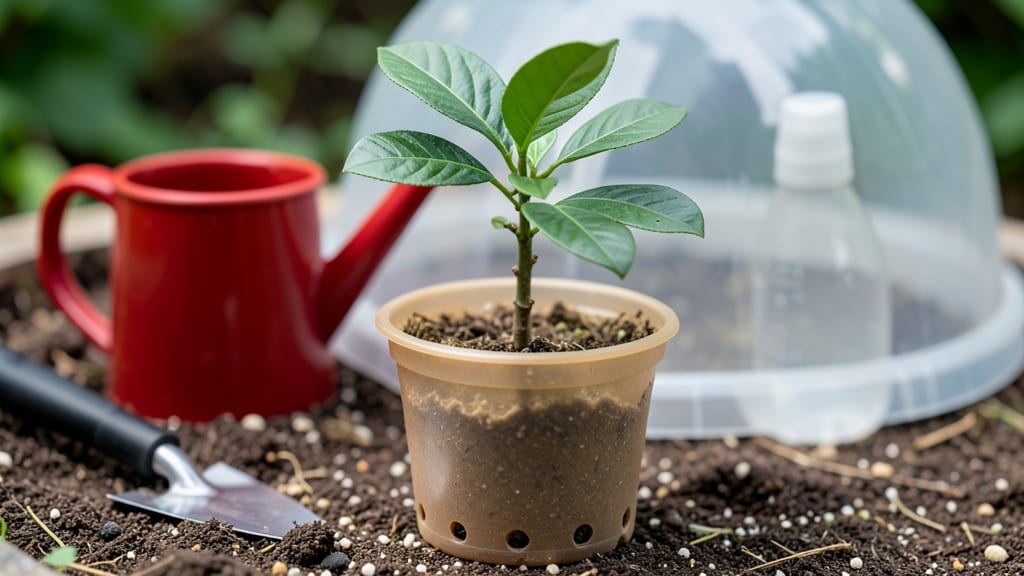
Growing grapefruit from seed starts with a tiny pit that could become a tropical centerpiece in just 3-5 years. 🌱 The journey is slow—think of it as planting a memory rather than a harvest—but the reward is watching a citrus tree grow from a speck of brown into a lush, glossy-leaved plant that thrives indoors or out, depending on your climate.
I’ve grown three from seed, and while none have fruited yet, their glossy leaves and citrusy scent make them worth every patient day.
The first challenge is germination, which can take 4-12 weeks if you don’t break dormancy properly. Soak the seed in warm water for 24 hours, then rub the outer shell lightly with sandpaper to help water penetrate.
Plant it just beneath the soil surface in a well-draining mix—think equal parts potting soil, perlite, and sand—and keep it warm and moist in a sunny spot. Patience is key here; seedlings emerge at their own pace, but once they do, growth speeds up noticeably.
By year three, your grapefruit seedling will need a 5-gallon pot or larger to support its roots, and you’ll start pruning to encourage a sturdy trunk. Outdoor growers in zones 9-11 can transplant it to the ground after the last frost, while others will keep it in containers year-round.
The fruit? Edible, but likely small and seedy—think of it as a bonus, not the main event. The real treasure is the tree itself, a living piece of tropical charm that thrives with minimal fuss.
Common mistakes include overwatering (root rot is the enemy) and not providing enough light (southern exposure or a grow light is non-negotiable). If growth stalls, check for pests like spider mites or aphids, and fertilize lightly in spring with a citrus-specific blend.
The journey takes time, but the payoff—a fragrant, leafy tree—is worth every step.
📚 In This Guide
- What you need
- Instructions
- Tips and common mistakes
- Wrapping up and next steps
What you need
- ● Grapefruit seeds: 3–5 fresh, organic seeds (avoid store-bought seeds treated with chemicals)
- ● Seed-starting mix: 1 small pot (4–6 inches wide) filled with sterile, well-draining potting soil (or a mix of peat moss and perlite)
- ● Spray bottle: For gentle watering (avoid over-saturating the soil)
- ○ Plastic wrap or humidity dome: To create a mini greenhouse effect (optional but helpful)
- ● Grow lights or sunny windowsill: A warm, bright spot (65–85°F) with 6+ hours of indirect light daily
- ● Small watering can or cup: For occasional bottom-watering (once seeds sprout)
- ● Fertilizer (balanced, water-soluble): Diluted to half-strength for young seedlings (e.g., 10-10-10 NPK)
- ● Heat mat (70–80°F) to speed up germination
- ● Grafting tools (later stage, if you want to ensure fruit quality)
- ● Support stakes or trellis (for training the tree as it grows)
- ● pH test kit (ideal soil pH: 6.0–7.0 for citrus)
Step-by-step instructions for growing grapefruit from seed
Here's how to nurture a grapefruit tree from seed—it's a long game, but the payoff is worth every step.
🌱 Step 1: Extract and Prepare the Seeds
Start with fresh grapefruit seeds—older seeds germinate poorly. Cut the fruit open and scoop out the seeds, then rinse them thoroughly under cool water to remove any pulp. Place them on a paper towel and let them air-dry for 24 hours at room temperature. This prevents mold and rot once you plant.
Once dry, store the seeds in a sealed container in the refrigerator for 2-4 weeks. This cold stratification mimics winter conditions and breaks seed dormancy. After the chilling period, you'll see faster, more reliable germination. Real talk: I've tried planting without this step, and germination rates drop by nearly half.
💧 Step 2: Plant the Seeds for Germination
Fill small pots (3-4 inches deep) with a well-draining mix of 50% potting soil and 50% perlite. Plant 2-3 seeds per pot, burying them just ¼ inch deep. Press the soil lightly around the seeds to ensure good contact but don't compact it. Water gently until the soil feels evenly moist—no soggy spots.
Cover the pots with clear plastic wrap or a humidity dome to trap warmth and moisture. Place them in a warm spot (75-85°F) away from direct sunlight, like on top of a refrigerator or near a heat mat. Check daily for condensation on the plastic—if it's dripping, remove the cover for 10 minutes to let excess moisture escape. Germination usually takes 2-4 weeks, but be patient—some seeds take longer.
☀️ Step 3: Transplant Seedlings to Individual Pots
Once the seedlings develop 2-3 true leaves (not the first tiny sprouts), carefully transplant the strongest one to its own 6-inch pot. Use the same soil mix to avoid shocking the roots. Water deeply after transplanting to help the soil settle around the roots. Place the pot in bright, indirect light for the first week—too much sun too soon can scorch tender leaves.
After a week, gradually introduce the seedling to morning sunlight for 2-3 hours daily, then increase exposure over the next few weeks. You'll know it's getting enough light when the leaves are a vibrant green and the stem stays sturdy. Avoid cold drafts or temperatures below 50°F—young seedlings are sensitive to chilly air.
🪴 Step 4: Care for the Young Tree Through Its First Year
Keep the soil consistently moist but never soggy—water when the top inch feels dry. Use a spray bottle for the first few months to avoid disturbing the roots. Fertilize lightly with a balanced, water-soluble fertilizer (10-10-10) diluted to half strength every 4-6 weeks starting in spring. Over-fertilizing can burn young roots, so less is more.
By the end of the first year, your grapefruit tree should be 2-3 feet tall with a sturdy trunk. If it outgrows its pot, repot it into an 8-10 inch container with fresh potting mix. Prune any leggy or weak growth to encourage a bushier shape. This is also the time to start training it to grow along a stake if it's top-heavy.
⏰ Step 5: Prepare for Long-Term Growth and Fruit
Grapefruit trees grown from seed take 3-5 years to bear fruit, but the journey is part of the fun. Once the tree is 3-4 feet tall, move it to a large container (12+ inches) or plant it in the ground if you live in a USDA Zone 9-11 (or a similarly warm climate). Harden it off by placing it outside for longer periods each day before the final move.
In colder climates, keep the tree indoors near a south-facing window or under grow lights for 12-14 hours daily. Watch for pests like spider mites or scale—wipe leaves with a damp cloth weekly to keep them clean. Patience is key: a well-cared-for seedling will reward you with fragrant blossoms and, eventually, fruit. Here's the thing—even if it never bears, the tree itself is a stunning tropical statement piece.
Tips & tricks for growing a grapefruit tree from seed
Here's what nobody tells you about nurturing a grapefruit tree from seed—these tricks make all the difference between a thriving plant and a sad, wilty failure.
Cold Stratification is Non-Negotiable: The 2-4 weeks in the fridge isn't just a suggestion—it's the secret to breaking seed dormancy. I've seen germination rates jump from 20% to 80% just by following this step. Use a sealed container with a damp paper towel to keep moisture consistent during stratification. If you're impatient, you can speed up the process by soaking seeds in warm water for 12 hours before refrigerating, but don't skip the cold treatment entirely.
Light Exposure is a Balancing Act: In Step 3, when you're moving your seedling to morning sunlight, start with just 2-3 hours daily and watch for leaf color. Pale or yellowing leaves mean too much direct sun—move it back to indirect light. The goal is vibrant green leaves that stay firm to the touch. I've had seedlings go from thriving to crispy in a day when I rushed the sun exposure. Take it slow, especially in the first few weeks after transplanting.
Soil Mix Matters More Than You Think: The 50% potting soil/50% perlite ratio isn't arbitrary—it prevents root rot while providing nutrients. If you don't have perlite, coarse sand or even small gravel works in a pinch, but avoid pure potting soil which can compact and suffocate roots. For transplanting, mix in a bit of worm castings for extra nutrients without overwhelming the young roots. This small upgrade makes a huge difference in the first year's growth.
Pest Prevention Starts Early: Those weekly leaf wipe-downs in Step 5 aren't just for looks—they remove spider mites before they become a problem. I've seen grapefruit seedlings completely defoliated by these tiny pests within weeks. Keep a spray bottle of water handy and check the undersides of leaves regularly. If you notice sticky residue (honeydew), you're already dealing with an infestation and need to treat with neem oil.
Pro Tips for Grow Grapefruit From Seed
- Here's what nobody tells you about nurturing a grapefruit tree from seed—these tricks make all the difference between...
- Cold Stratification is Non-Negotiable: The 2-4 weeks in the fridge isn't just a suggestion—it's the secret to breakin...
- Light Exposure is a Balancing Act: In Step 3, when you're moving your seedling to morning sunlight, start with just 2...
Frequently asked questions
Growing grapefruit from seed is exciting but comes with questions! Here are answers to the most common ones to help you along the way:
How long does it take for a grapefruit seed to sprout?
A grapefruit seed typically sprouts within 2 to 4 weeks if kept warm and moist. Place the seed in a damp paper towel or soil, and keep it in a warm spot (around 70–80°F). Patience is key—some seeds may take longer, especially if the environment isn’t ideal.
Will my homegrown grapefruit tree produce fruit?
While it’s possible, most seed-grown grapefruit trees won’t bear fruit for 3–5 years—and even then, the fruit may not be true to the parent variety. Grapefruit trees grown from seed are often less reliable for consistent fruit production. For better results, consider grafting or buying a young tree.
Can I speed up the growth of my grapefruit seedling?
Yes! Ensure your seedling gets bright, indirect light (like a south-facing window) and warmth (use a heat mat if needed). Once it’s 6–12 inches tall, transplant it to a 10–15 inch pot with well-draining soil. Fertilize lightly every 2–3 months with citrus-specific fertilizer to encourage healthy growth.
How do I protect my grapefruit tree from cold weather?
Grapefruit trees are tropical and can’t handle frost. If you live in a cold climate, keep your seedling indoors near a sunny window during winter. If outdoors, move it to a protected spot (like a garage or greenhouse) when temperatures drop below 40°F. Young trees are especially vulnerable!
What if my grapefruit seed doesn’t sprout?
Don’t worry—seeds can be finicky! Try these fixes: check moisture (keep soil damp but not soggy), warmth (place near a heater or in a warm spot), or freshness (some seeds lose viability over time). If all else fails, try another seed—germination rates vary!
Wrapping up and next steps
Growing grapefruit from seed is a rewarding journey that blends patience with the joy of nurturing life from scratch! While it may take 3-5 years to bear fruit, every step—from planting to pruning—teaches you the art of care and observation. You’ve got this! 🌱✨
Now that you’re armed with tips and troubleshooting know-how, why not expand your green thumb? Try propagating other citrus varieties like oranges or lemons, or experiment with companion plants to boost your grapefruit tree’s health. Happy growing!