
Trees
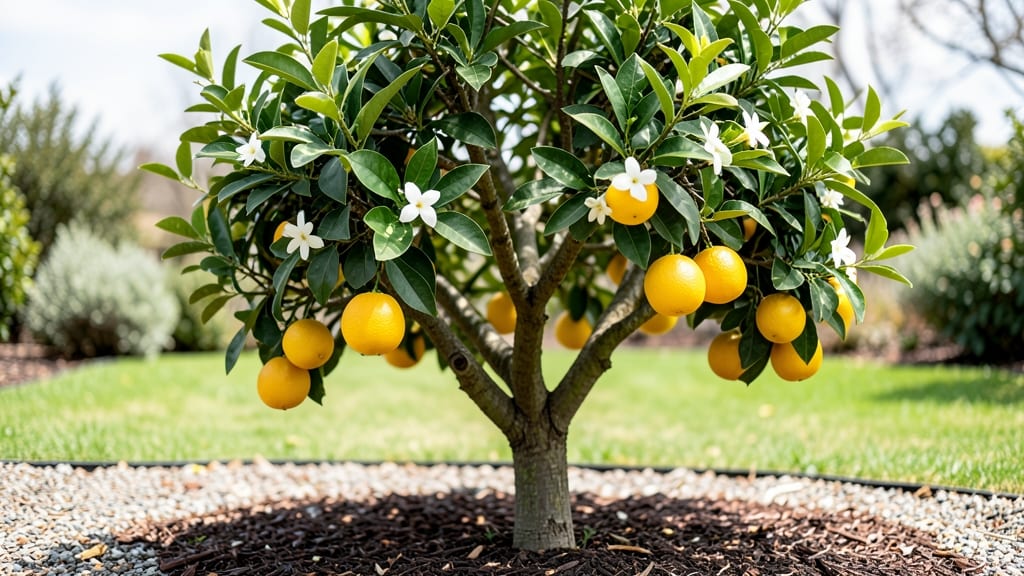
Growing a grapefruit tree with fruit right on the branches is a dream you can turn into reality—even in USDA Zone 9b or warmer.
Imagine plucking fresh, tangy grapefruits straight from your backyard tree—no grocery store required. Growing grapefruit trees at home isn’t just rewarding; it’s a tropical escape in your own yard, where 🍊 trees thrive year-round with the right care.
From planting in January or February to harvesting sweet fruit between October and December, every step matters. Whether you’re a beginner or a seasoned gardener, this guide covers soil, sunlight, watering, and pruning so your tree grows strong and productive.
Learn how to nurture your grapefruit tree from sapling to fruit-bearing giant, troubleshoot common issues, and enjoy homegrown citrus that’s juicier and fresher than anything you’ll find in a store.
How to plant grapefruit trees: essential steps for success
Growing a grapefruit tree in your backyard transforms your space into a citrus paradise. These trees thrive in warm climates but require careful planning to establish strong roots and vigorous growth.
The key to success lies in selecting the right soil type, understanding climate requirements, and mastering proper planting techniques.
Grapefruit trees prefer well-draining soil with a slightly acidic to neutral pH (6.0-7.0). Sandy loam soils work best, but amending heavy clay with compost can improve drainage. Choose a location with full sun exposure—at least 6-8 hours of sunlight daily—to ensure optimal fruit production and tree health.
Step-by-Step Planting Guide for Grapefruit Trees
-
Step 1: Choose the Right Variety
Select a cold-hardy variety like 'Ruby Red' or 'White Marsh' if you live in USDA Zones 9-11. For warmer climates, consider 'Duncan' or 'Oroblanco'. Dwarf varieties are ideal for containers.
-
Step 2: Prepare the Planting Site
Dig a hole twice as wide as the root ball but no deeper. Mix the removed soil with compost or well-rotted manure to improve fertility and drainage.
-
Step 3: Plant at the Correct Depth
Place the tree so the graft union (visible bump near the base) sits 2-3 inches above soil level. This prevents root rot and ensures proper airflow.
-
Step 4: Space Trees Properly
Standard trees need 15-20 feet between plants, while dwarf varieties require only 8-10 feet. Proper spacing ensures airflow and reduces disease risk.
-
Step 5: Water Thoroughly After Planting
Apply 10-20 gallons of water to settle the soil and remove any air pockets. Mulch around the base with 2-3 inches of organic mulch to retain moisture.
-
Step 6: Protect Young Trees
Use tree guards or frost cloth in colder months to shield tender new growth. Avoid heavy pruning in the first year to encourage root establishment.
When planting, avoid disturbing the root ball excessively to prevent transplant shock. If planting in containers, use a large pot (at least 15-gallon size) with drainage holes. Grapefruit trees are sensitive to cold, so protect them from frost and strong winds during their early years.
After planting, monitor the tree for signs of stress, such as yellowing leaves or wilting. Adjust watering as needed—deep watering once weekly is ideal, but increase frequency during hot, dry spells. Fertilize lightly with a balanced citrus fertilizer (6-6-6 NPK) every 4-6 weeks during the growing season.
Grapefruit trees can take 3-5 years to bear fruit, but proper planting sets the stage for a productive, healthy tree. With the right soil conditions, sunlight exposure, and careful spacing, your grapefruit tree will reward you with juicy, homegrown fruit for decades.
For best results, plant in late winter or early spring when the risk of frost has passed. This timing allows the tree to establish roots before the heat of summer.
Patience and attention to detail during planting will pay off with a thriving grapefruit tree that produces abundant fruit year after year.
🌱
Grapefruit tree care: watering, pruning & pest control tips
Once your grapefruit tree is planted, consistent care ensures a bountiful harvest. The key to thriving trees lies in three pillars: proper watering, strategic pruning, and vigilant pest control.
Each plays a critical role in fruit production and tree longevity. Let’s break down the essentials so your tree flourishes year-round.
Watering is where many gardeners trip up—overwatering or underwatering both stress the tree. Grapefruit trees need deep but infrequent watering, especially during their first year.
Mature trees develop deep roots that handle drought better than shallow, frequent watering. Pair this with the right timing to maximize efficiency and fruit quality.
⚠️ callout-warning
Overwatering leads to root rot, while underwatering causes fruit drop. Always check soil moisture 2 inches deep—water only when dry. Morning watering prevents fungal diseases by allowing foliage to dry before nightfall. 💧
Pruning might seem intimidating, but it’s essential for air circulation and fruit production. Focus on removing dead or diseased branches first, then thin out crowded areas to let sunlight reach the center.
The best time to prune is late winter or early spring, just before new growth begins. Never prune during the harvest season, as this stresses the tree.
Pests like aphids, scale insects, and citrus leaf miners can devastate your tree if unchecked. Start with neem oil or insecticidal soap for minor infestations.
For severe cases, introduce beneficial insects like ladybugs or consult a local nursery for targeted solutions. Regularly inspect leaves and fruit for early signs of trouble.
Harvesting is the sweet reward of your efforts! Grapefruits are ripe when they’re fully colored and slightly soft to the touch. Use a sharp knife to cut stems, leaving a small portion attached to the fruit.
Avoid pulling—this can damage the tree. Harvest in morning hours when temperatures are cooler to preserve freshness.
Seasonal care adjusts with the weather. In summer, increase watering frequency but reduce fertilizer to prevent leaf burn. Fall is the time to mulch heavily to protect roots from winter chill, even in mild climates.
With these tips, your grapefruit tree will thrive and reward you with juicy fruit for years. 🌳