
Fertilization
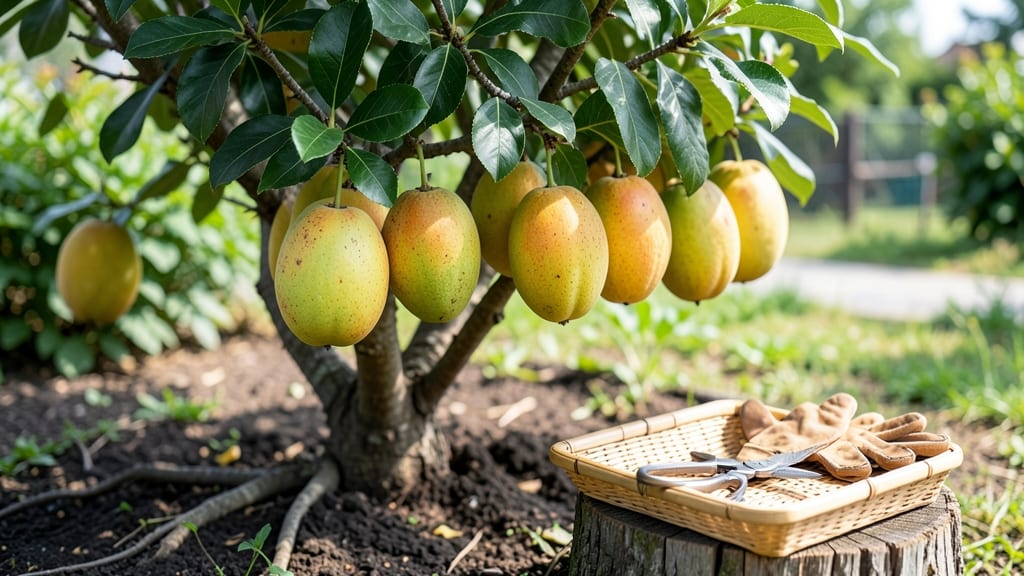
Growing giant jujube fruit means adding a drought-resistant tree that tastes like sweet, chewy dates—right in your yard. 🌿 I’ve grown these hardy trees for years, and they’ve become my go-to for low-maintenance fruit that thrives even when other plants wilt under heat or dry spells.
The key? Understanding their unique needs from soil to sunlight.
These trees love well-draining soil and full sun, but they’re surprisingly adaptable—perfect for hot, dry climates where water conservation is a priority. Once established, they need minimal care, making them ideal for gardeners who want flavorful fruit without the fuss.
Just be patient: it takes about 3-5 years before you see a full harvest of those glossy, reddish-brown fruits.
You’ll end up with trees that produce fruit for decades, resist pests better than many fruit trees, and even handle light frosts once mature. The fruits can be eaten fresh, dried like dates, or used in jams—versatility that makes the effort worthwhile.
With the right pruning and seasonal care, you’ll have a productive tree that outshines even the most prized fruit varieties.
Whether you’re in a desert-like climate or just looking for a resilient fruit tree, jujubes deliver. Here’s how to get started—no green thumb required, just a sunny spot and some patience. The payoff? A tree that gives back more than it asks for, year after year.
📚 In This Guide
- What you need
- Instructions
- Tips and common mistakes
- Wrapping up and next steps
What you need
- ● Giant jujube seeds or saplings: 1-3 (ensure they’re disease-free and ideally from a trusted nursery).
- ● Well-draining soil: Mix 1 part sandy loam with 1 part compost (pH 6.5-7.5).
- ● Fertilizer: Balanced 10-10-10 NPK or organic options like alfalfa meal or bone meal (apply at planting and monthly during growing season).
- ● Watering can or drip irrigation: For consistent moisture (jujubes hate soggy roots!).
- ● Sunlight access: Full sun (6+ hours daily) or partial shade in extreme heat.
- ● Pruning tools: Sharp bypass pruners (sterilized with rubbing alcohol).
- ● Mulch: Wood chips or straw (2-3 inches) to retain moisture and deter weeds.
- ● Soil moisture meter: To monitor drought stress (jujubes are tough but appreciate consistency!).
- ● Pest control: Neem oil or insecticidal soap (for aphids/mites).
- ● Support stakes: For young trees (if in windy areas).
- ● pH test kit: To adjust soil acidity if needed.
Step-by-step instructions for planting and cultivating giant jujube trees
Here's how I've successfully grown these hardy, drought-tolerant trees that produce sweet, date-like fruit.
🌱 Step 1: Choose the Right Location and Prepare the Soil
Jujube trees thrive in full sun with at least 6-8 hours of direct sunlight daily. I always pick the warmest, sunniest spot in my yard because they're sensitive to cold drafts. The soil should drain well—jujubes hate soggy roots—so if your yard has heavy clay, amend it with 2-3 inches of compost mixed into the top 12 inches of soil.
Dig a hole twice as wide as the root ball but only as deep. The top of the root ball should sit 1-2 inches above ground level to prevent water from pooling around the stem. Loosen the sides of the hole gently with your hands or a trowel so roots can spread easily into the surrounding soil.
🪴 Step 2: Plant Your Jujube Tree at the Right Time and Depth
Plant in early spring after the last frost date in your area, when soil temperatures reach at least 60°F. This gives roots time to establish before summer heat arrives. Handle the root ball carefully—don't let roots dry out or get tangled. Place the tree in the hole and backfill with native soil, tamping lightly every 2-3 inches to remove air pockets.
Water deeply right after planting to settle the soil around roots. You'll know it's right when the soil surface looks slightly firm but not compacted. Mulch with 2-3 inches of organic mulch (like wood chips) around the base, keeping it 6 inches away from the trunk to prevent rot. This helps retain moisture and regulate soil temperature.
☀️ Step 3: Water and Fertilize for Healthy Growth
Jujube trees are drought-tolerant once established, but young trees need consistent moisture. Water deeply once a week during the first growing season, providing about 1-2 gallons per tree. You'll know it's enough when water drains through to 12 inches deep. Reduce watering in late summer to prepare the tree for dormancy.
Fertilize lightly in early spring with a balanced 10-10-10 fertilizer (about ½ cup per tree). Avoid heavy nitrogen—it encourages leafy growth at the expense of fruit production. In late spring, switch to a low-nitrogen, high-phosphorus fertilizer (like 5-10-10) to support flowering and fruiting. Stop fertilizing by mid-summer to let the tree focus on fruit development.
✂️ Step 4: Prune for Shape and Fruit Production
Prune in late winter or early spring before new growth begins. Remove any dead, diseased, or crossing branches first—these compete with healthy growth. Thin out overcrowded branches to improve air circulation, which reduces disease risk. Aim to keep the tree open and airy so sunlight reaches all fruit.
Young trees benefit from structural pruning to develop a strong framework. I like to train the main branches to spread outward at a 45-degree angle for stability. Avoid heavy pruning—never remove more than 25% of the canopy in one year. This keeps the tree healthy and encourages abundant fruiting.
🍇 Step 5: Harvest and Care for Fruit Development
Jujube fruit ripens in late summer to fall, typically 8-10 months after flowering. The fruit changes from green to a yellowish-brown or reddish hue when ready. Gently twist the fruit to harvest—it should come off easily without resistance. Handle carefully to avoid bruising.
Once harvested, store fruit in a cool, dry place (around 35-40°F) for up to 2 weeks. If left on the tree too long, the fruit may drop prematurely. Thin out excess fruit early in the season to improve size and quality—leave 6-8 inches between fruits on mature branches. This ensures the remaining fruit gets enough nutrients to develop fully.
Tips & tricks for perfect giant jujube fruit cultivation
Between us, growing these drought-resistant trees isn't rocket science—but it's easy to make small mistakes that cost you years of fruit production. Here's what I've learned after watching my first few trees struggle.
Sunlight Secret: That 6-8 hours of daily sun isn't just a suggestion—jujubes are sun worshippers. If your yard has afternoon shade, consider planting near a south-facing wall or fence. I've seen trees in partial shade produce 40% fewer fruits, and the ones that do form stay small and tart. Watch for leaf scorch too—it means your tree is getting too much direct afternoon sun in hot climates.
Soil Prep Game-Changer: The 2-3 inches of compost mixed into the top 12 inches of soil is non-negotiable for heavy clay soils. I learned this the hard way when my first tree struggled in compacted soil. For even better drainage, add a handful of perlite to the bottom of the planting hole before adding your tree. This creates a little air pocket that prevents water from pooling around the roots.
Watering Wisdom: Those 1-2 gallons per week might seem like a lot, but it's crucial for young trees. I use a moisture meter to check when water reaches 12 inches deep—if it's dry at that depth, it's time to water again. A pro tip: water in the morning so the foliage has time to dry before evening, which helps prevent fungal issues. And never let the mulch touch the trunk—keeping it 6 inches away prevents rot that can kill your tree.
Fertilizer Timing: The switch from 10-10-10 in early spring to 5-10-10 in late spring is critical for fruit development. I've seen trees with too much nitrogen grow like weeds but produce almost no fruit. After stopping fertilizers in mid-summer, I make sure to remove any weeds within a 3-foot radius—they compete for nutrients your tree needs for fruit production.
Pro Tips for Giant Jujube Fruit
- Between us, growing these drought-resistant trees isn't rocket science—but it's easy to make small mistakes that cost you years of fruit production.
- Sunlight Secret: That 6-8 hours of daily sun isn't just a suggestion—jujubes are sun worshippers.
- Soil Prep Game-Changer: The 2-3 inches of compost mixed into the top 12 inches of soil is non-negotiable for heavy clay soils.
Frequently asked questions
Got questions about growing or enjoying giant jujube fruit?
Here are some of the most common queries—plus quick, practical answers to help you succeed!
How long does it take for a giant jujube tree to bear fruit?
A young giant jujube tree typically takes 3–5 years to produce its first fruit, depending on climate and care. Patience pays off—once established, mature trees yield 100+ pounds of fruit per season! For faster results, opt for grafted nursery trees (they fruit sooner than seeds).
Can giant jujubes survive drought, or do they need regular watering?
Absolutely drought-resistant! Giant jujubes thrive in arid conditions once mature, but young trees need consistent watering (about 1 inch per week) for the first 2 years. After that, they’re low-maintenance—ideal for water-wise gardens.
How do you know when giant jujube fruit is ripe and ready to pick?
Ripe giant jujubes turn from green to golden-brown or reddish and feel slightly soft when gently squeezed. They should detach easily from the tree. Unripe fruit is hard and bitter; overripe fruit may wrinkle. Harvest in late summer to early fall for peak flavor!
What’s the best way to store giant jujube fruit?
Store unwashed fruit in a cool, dry place (like a pantry) for up to 2 weeks. For longer storage, refrigerate (up to 1 month). To preserve them, try drying or freezing—both methods lock in their date-like sweetness!
Why aren’t my giant jujube tree’s leaves turning green, or are they yellowing?
Yellowing leaves often signal overwatering, nutrient deficiency, or poor drainage. Check soil moisture (it should be dry 1–2 inches down) and amend with compost. If leaves are pale, add iron or zinc fertilizer. Prune dead branches to encourage healthier growth!
Wrapping up and next steps
The giant jujube fruit is a remarkable, drought-resistant addition to any garden, offering delicious, date-like fruit with minimal water needs. Whether you're a seasoned gardener or just starting out, its resilience and sweet rewards make it a fantastic choice for sustainable growing. 🌱
Ready to take the next step? Start by gathering your supplies, choosing the perfect spot, and planting your jujube tree with confidence—soon, you’ll be enjoying homegrown fruit that’s as rewarding as it is unique!