
Fertilization
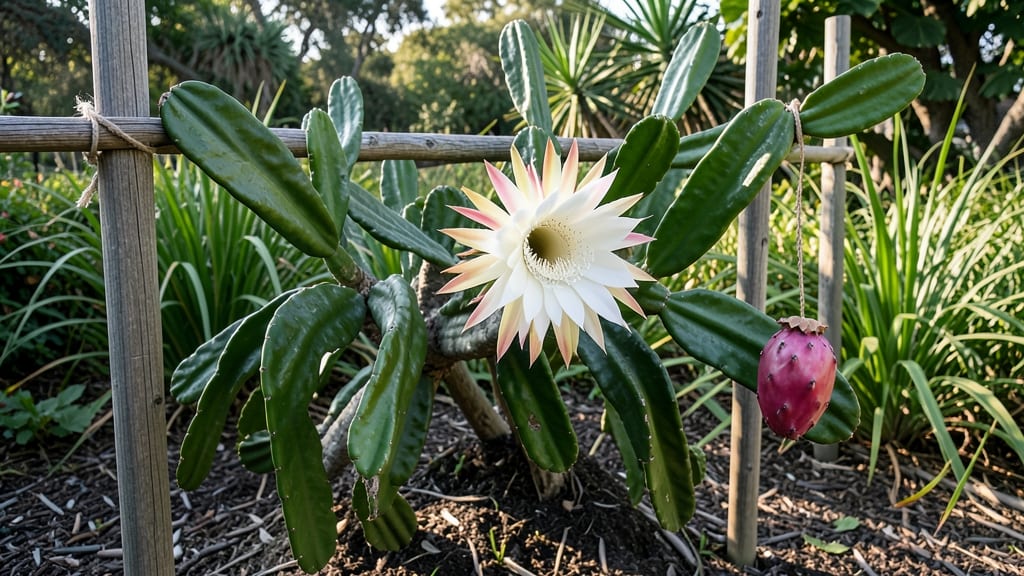
Growing giant dragon fruit means turning your patio into a tropical jungle in just 12 months—and the first harvest will be worth every inch of vine. 🌿 I’ve watched these vines climb trellises like jungle explorers, their massive, heart-shaped fruits ripening from green to magenta.
The key isn’t luck; it’s matching their tropical roots to your climate with the right soil, sunlight, and a little patience. Start with cuttings (not seeds) for faster results—these vines grow 3-4 feet per year if given room to stretch.
You’ll need a sunny spot with 6+ hours of light, well-draining soil (think cactus mix with perlite), and a sturdy trellis. Water deeply but infrequently—overwatering is the #1 killer of these drought-loving plants.
Feed them every 4-6 weeks with a balanced fertilizer once established, and watch those vines take off. By month 12, you’ll be harvesting 3-5 pound fruits that taste like a mix of kiwi and pear.
The real magic happens when you see bees buzzing around the night-blooming flowers—pollination is the secret to those monster fruits. Just don’t expect perfection; even pros lose a few to pests or weather.
But when you slice into that first giant dragon fruit, still warm from the sun, you’ll know it was worth every climb.
Here’s the twist: these vines thrive in USDA zones 9-11, but container growers in cooler climates can keep them alive indoors with grow lights. Prune aggressively in spring to encourage bushier growth, and always wear gloves—those spines are no joke.
The biggest mistake? Skipping the trellis. Without support, vines sprawl and fruit production drops. But with the right setup, you’ll be the neighbor with the tropical giant everyone admires.
📚 In This Guide
- What you need
- Instructions
- Tips and common mistakes
- Wrapping up and next steps
What you need
- ● Dragon fruit seeds: 3–5 fresh, viable seeds (harvested from a ripe fruit or purchased from a nursery). Pro tip: Soak seeds in water for 24 hours before planting to speed up germination! 💡
- ● Growing containers: 5-gallon pots (2–3) with drainage holes or
- ● A raised bed (at least 3 ft wide × 4 ft long) with well-draining soil.
- ● Potting mix: 1 bag (1.5–2 cubic feet) of cactus/succulent mix (or DIY: 60% potting soil + 30% perlite + 10% compost).
- ● Fertilizer: Balanced liquid fertilizer (10-10-10 or 20-20-20, 1 gallon).
- ● Organic options: Worm castings (1 lb) or fish emulsion (1 quart).
- ● Trellis or support: A sturdy bamboo stake (6–8 ft tall) or a DIY wooden frame for vines to climb.
- ● Pruning shears: Small, sharp pair for trimming vines and removing dead leaves.
- ● pH test kit: To monitor soil acidity (ideal range: 6.0–7.5).
- ● Mulch: Straw or wood chips (1–2 bags) to retain moisture and suppress weeds.
- ● Grow lights (LED, full-spectrum) for indoor starters or early seedlings.
- ● Humidity dome or plastic wrap to create a greenhouse effect during germination.
- ● Slow-release fertilizer tablets for convenience.
- ● Drip irrigation system or soaker hose for efficient watering.
- ● Compost tea (1 gallon) for a nutrient boost during flowering.
Step-by-Step instructions for growing giant dragon fruit vines
Here’s how to nurture a dragon fruit vine from seed into a thriving, fruit-bearing plant in just one year.
🌱 Step 1: Start Seeds Indoors in Warmth
Dragon fruit seeds need warmth to germinate—aim for 75-85°F soil temperatures. Plant 2-3 seeds per 4-inch pot (you’ll thin later) in sterile seed-starting mix, burying them ¼ inch deep. Mist the soil lightly with warm water to keep it damp but not soggy.
Cover the pots with plastic wrap to retain humidity, then place them in a warm, bright spot (like a sunny windowsill or under a grow light). Check daily for condensation—if it’s gone, mist again. Germination takes 2-4 weeks, so patience is key. Once sprouts appear, remove the plastic wrap immediately to prevent mold.
☀️ Step 2: Transplant Seedlings to Larger Pots
When seedlings reach 3-4 inches tall (about 6-8 weeks after sowing), transplant the strongest one to a 5-gallon container with well-draining cactus/succulent mix. Dragon fruit vines hate soggy roots, so add perlite or coarse sand to improve drainage. Water deeply after transplanting to settle the soil.
Place the pot in bright, indirect light (like an east-facing window) for the first week to avoid shock. After that, move it to full sun (6+ hours daily) to encourage sturdy growth. You’ll see new leaves emerge within 1-2 weeks—this signals the plant is adapting well.
🪴 Step 3: Train the Vine on a Trellis or Cage
Dragon fruit vines grow 10-20 feet tall, so they need support early. Install a 6-foot trellis or tomato cage near the pot and gently guide the main stem upward as it grows. Use soft plant ties to secure the vine without crushing it.
Prune side shoots (suckers) that form at the base to focus energy on the main vine—this ensures stronger, faster growth. Once the vine reaches the top of the trellis, trim the tip to encourage bushier growth. You’ll notice new branches forming within 2-3 weeks of pruning.
💧 Step 4: Fertilize and Water for Fruit Production
After 3-4 months, switch to a balanced, water-soluble fertilizer (like 10-10-10) diluted to half-strength. Feed every 4-6 weeks during the growing season (spring and summer) to promote flowering. Dragon fruit plants need moderate watering—keep the soil evenly moist but never waterlogged.
Reduce watering slightly when buds form (about 6-8 months after planting). Stress from slightly drier soil triggers flowering. You’ll see pink or white night-blooming flowers appear in late summer—this is your cue that fruit will follow in 3-4 months.
⏰ Step 5: Overwinter and Prepare for Harvest
If growing indoors, reduce watering in winter and keep the plant in bright light (supplement with a grow light if needed). Dragon fruit vines are semi-dormant in cooler months, so they’ll grow slowly. Prune any dead or yellowing leaves to keep the plant healthy.
Harvest fruit when it fully ripens on the vine—this usually takes 3-4 months after flowering. The skin will turn bright pink or red, and the fruit will feel slightly soft when gently squeezed. Cut the fruit from the vine with clean pruners, leaving a small stem attached. Store at room temperature for 1-2 weeks or refrigerate for longer shelf life.
Tips & tricks for growing towering dragon fruit vines
These simple strategies will help you avoid common pitfalls and nurture a healthy dragon fruit vine that thrives year after year.
Soil Temperature Secret: Use a seedling heat mat set to maintain 75-85°F soil temperatures during germination—this mimics tropical conditions and speeds up the process. I place mine under my grow lights for consistent warmth. If you don't have a heat mat, try placing pots on top of your refrigerator (not inside) for gentle radiant heat.
Transplanting Technique: When moving seedlings to their 5-gallon containers in Step 2, water the original pots thoroughly the day before transplanting. This keeps roots intact and reduces shock. Gently squeeze the pot sides to loosen the root ball before transferring—you'll notice the roots hold together better and establish faster in their new home.
Pruning Insight: In Step 3, focus on removing suckers that grow within 6 inches of the base—these compete with your main vine for nutrients. I prune these aggressively while keeping the first 3-4 main branches to create a strong framework. This method gives me bushier growth and more fruit-bearing branches within just 6 months.
Flowering Trigger: The slight water reduction at 6-8 months is crucial for flowering. I actually let the top inch of soil dry out completely between waterings during this period. The stress signals the plant it's time to focus on reproduction rather than growth. You'll start seeing those beautiful night-blooming flowers within 2-3 weeks of this adjustment.
Pro Tips for Giant Dragon Fruit
- These simple strategies will help you avoid common pitfalls and nurture a healthy dragon fruit vine that thrives year after year.
- Soil Temperature Secret: Use a seedling heat mat set to maintain 75-85°F soil temperatures during germination—this mimics tropical conditions and speeds up the process.
- Transplanting Technique: When moving seedlings to their 5-gallon containers in Step 2, water the original pots thoroughly the day before transplanting.
Frequently asked questions
How long does it take for a giant dragon fruit plant to bear fruit?
A healthy giant dragon fruit (Hylocereus undatus) vine typically takes 18–24 months from seed to first fruit—but if you start with a grafted plant, you might see fruit in as little as 12–18 months. Patience is key! Ensure your vine gets full sun (6+ hours daily), well-draining soil, and consistent moisture to speed up fruiting. Pro tip: Prune aggressively in early spring to encourage new growth and earlier blooms.
Can giant dragon fruit survive cold weather? What’s the safest temperature range?
Giant dragon fruit is tropical and thrives in 70–90°F (21–32°C). It can tolerate brief dips to 40°F (4°C), but frost will kill the plant. If you live in a cooler climate, grow it in containers and move it indoors during winter or use a greenhouse. Mulch heavily in fall to protect roots. Warning: Even light frost can damage leaves, so monitor forecasts!
Why aren’t my dragon fruit flowers pollinating? How can I help?
Dragon fruit flowers are self-pollinating but need a little help. Use a soft paintbrush or cotton swab to transfer pollen from one flower to another. Alternatively, hand-pollinate at night when flowers are open (they close by morning!). Bonus: Attract native bees by planting nearby flowers like hibiscus or bougainvillea—they’ll do the work for you!
What’s the best fertilizer for giant dragon fruit? Organic or synthetic?
Use a balanced, low-nitrogen fertilizer (like 10-10-10 or 8-3-9) during growing season (spring–summer), switching to a potassium-rich blend (e.g., 5-10-10) when buds form. Organic options like composted manure or fish emulsion work well too! Feed every 4–6 weeks and flush soil with water monthly to avoid salt buildup. Pro tip: Avoid high-nitrogen fertilizers—they promote leafy growth over fruit!
What are the most common pests for giant dragon fruit, and how do I treat them?
Watch for mealybugs, scale insects, and spider mites. Treat infestations early with:
- Neem oil (spray weekly for 2–3 weeks)
- Insecticidal soap (safe for edible plants)
- Horticultural oil (for stubborn scale)
Can I grow giant dragon fruit in a pot? What’s the ideal container size?
Yes! Use a large container (15+ gallons) with drainage holes and a mix of cactus/succulent soil + perlite. Ensure the pot is at least 2 feet wide to support root growth. Choose a lightweight material (like fabric or plastic) for easy moving. Pro tip: Add a trellis or sturdy stake to guide vines upward and save space.
Wrapping up and next steps
Growing your own giant dragon fruit is a rewarding adventure that blends patience, care, and a touch of tropical magic! 🌱 By following the right fertilization techniques and meeting your vine’s needs, you’ll soon be harvesting vibrant, sweet fruits in just 12 months.
Whether you’re a beginner or a seasoned gardener, this guide gives you the tools to succeed—so roll up your sleeves and let nature do the rest!
Ready to take the next step? Start with a single seed today, and in no time, you’ll be watching your dragon fruit vine climb, bloom, and thrive. Happy growing! 🌟