
Fertilization
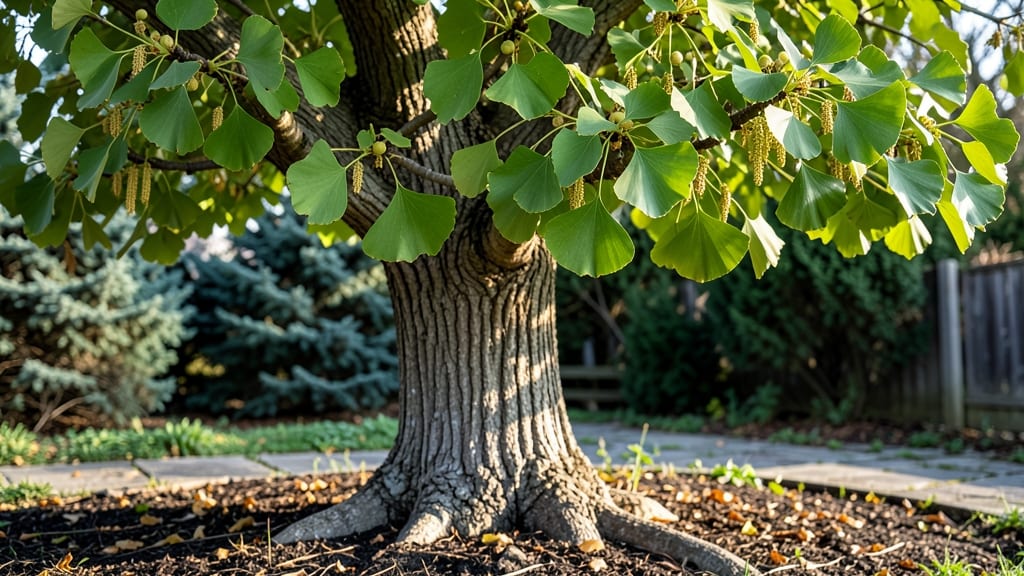
Growing ginkgo biloba fruit means planting a living fossil that thrives in your yard while producing seeds with centuries of medicinal promise. 🌱 The key is patience—these trees take 20-30 years to bear fruit, but once they do, the harvest offers both ornamental value and potential health benefits.
The real work starts with soil prep: ginkgos love well-draining, slightly acidic soil (pH 6.5-7.5) and full sun. I’ve seen them survive in poor soil, but rich, loamy earth produces healthier fruit and fewer pest issues. Plant bare-root trees in early spring for best results.
When fruit appears, expect plump, yellow seeds that smell like gym socks when ripe—a natural deterrent for pests. The seeds themselves are edible (when properly prepared) and have been used in traditional medicine for memory support. Just don’t let them pile up—they rot quickly and create a stinky mess.
This tree’s cold-hardiness makes it perfect for northern climates, but even in warmer zones, it handles drought and urban pollution surprisingly well. The trade-off? You’ll need space—mature ginkgos reach 30-50 feet tall. Worth it for the shade and those rare, ancient-looking seeds.
📚 In This Guide
- What you need
- Instructions
- Tips and common mistakes
- Wrapping up and next steps
What you need
- ● Ginkgo biloba seeds or saplings: 2–4 seeds (for planting) or
- ● 1–2 nursery-grown saplings (3–5 feet tall, cold-hardy zone 3–9)
- ● Well-draining soil: 60% loamy soil (sandy or clay-loam works best)
- ● 30% organic compost (for nutrients and drainage)
- ● 10% perlite or coarse sand (to prevent waterlogging)
- ● Planting container or garden space: Containers: 2–3 large pots (15–20 gallons each) with drainage holes
- ● Garden bed: Full sun exposure (6+ hours/day) with space for mature tree (30–50 feet wide)
- ● Watering tools: Garden hose with adjustable nozzle or watering can (1–2 gallons capacity)
- ○ Drip irrigation kit (optional but recommended for large gardens)
- ● Fertilizer: Balanced organic fertilizer (10-10-10 ratio) or slow-release granules (e.g., Alfalfalfa meal)
- ● Epsom salt (1 tbsp per gallon of water, monthly in early spring)
- ● Mulch: 3–4 inches of organic mulch (wood chips, straw, or pine bark)
- ● Pruning tools: Bypass pruners (for small branches)
- ● Loppers (for thicker stems)
- ● Safety gloves (to protect from sap and thorns)
- ● Soil pH tester: To ensure pH is between 6.5–7.5 (ginkgos prefer slightly acidic to neutral soil).
- ● Seed stratification kit: If germinating seeds (requires cold stratification for 60–90 days).
- ● Tree support stakes: For young saplings in windy areas (3–4 stakes + soft ties).
- ● Pest control: Neem oil spray (for aphids or spider mites)
- ● Insecticidal soap (mild, non-toxic option)
- ● Growth monitor: A simple ruler or measuring tape to track seedling height (fun for kids!).
Step-by-Step instructions for growing ginkgo biloba trees
This ancient tree thrives with minimal fuss—just follow these straightforward steps for healthy, productive plants.
🌱 Step 1: Select and Prepare the Planting Site
Ginkgo biloba performs best in full sun with at least 6 hours of direct light daily, though it tolerates partial shade in hotter climates. Choose a location with well-draining soil—this tree despises soggy roots. If your soil is heavy clay, amend with 2-3 inches of compost mixed into the top 12 inches of soil before planting.
Dig a hole twice as wide as the root ball but only as deep. The top of the root ball should sit 1-2 inches above ground level to prevent water pooling around the trunk. Ginkgos grow slowly at first, so give them 20-30 feet of space between trees to avoid future root competition.
🪴 Step 2: Plant the Ginkgo Biloba Tree
Remove the tree from its container and loosen any circling roots gently with your fingers—this encourages outward growth. Place the root ball in the hole, backfilling with native soil as you go. Firm the soil lightly around the edges with your hands, creating a slightly raised berm around the perimeter to direct water toward the roots.
Water deeply immediately after planting to eliminate air pockets and settle the soil. You’ll know it’s right when water drains freely through the hole—no standing water should remain. Mulch with 2-3 inches of organic mulch (like wood chips) over the root zone, keeping it 6 inches away from the trunk to prevent rot.
☀️ Step 3: Establish Watering and Fertilization Routines
Water once weekly for the first two growing seasons, providing 10-15 gallons per tree each time. Check soil moisture by inserting your finger 2 inches deep—water when it feels dry. After the tree establishes, reduce watering to once every 2-3 weeks unless experiencing drought conditions. Ginkgos are drought-tolerant once mature but need consistent moisture early on.
Apply a balanced 10-10-10 fertilizer in early spring, using ½ pound per inch of trunk diameter. For a young tree, that’s roughly 1-2 tablespoons per year. Avoid high-nitrogen fertilizers—they promote leafy growth at the expense of fruit production. Stop fertilizing by mid-summer to allow the tree to harden off before winter.
✂️ Step 4: Prune and Monitor for Health
Prune in late winter or early spring before new growth begins. Remove dead, diseased, or crossing branches first, then thin the canopy to improve air circulation. Ginkgos naturally grow upright, so minimal pruning is needed—focus on structural shaping rather than heavy cuts. Sterilize pruning tools with 70% rubbing alcohol between cuts to prevent fungal spread.
Watch for aphids or scale insects on new growth, which are common early pests. Spray with neem oil if you spot sticky residue (honeydew) on leaves. The tree’s distinctive fan-shaped leaves turn golden in fall—a sign of good health. If leaves yellow prematurely, it may indicate overwatering or poor drainage, not a disease.
⏰ Step 5: Prepare for Winter and Long-Term Care
Ginkgo biloba is extremely cold-hardy (USDA zones 3-9), but young trees benefit from winter mulching. Add an extra 2-3 inches of mulch in late fall to insulate roots. Avoid heavy pruning in winter—wait until spring to assess damage from frost. The tree’s woody, fleshy seeds (often called "ginkgo nuts") will appear in fall of year 15-20, so patience is key.
Harvest seeds when they turn yellow-brown and drop naturally. Wear gloves—the flesh smells foul when crushed. Store seeds in a cool, dry place for up to 3 months before planting. Mature trees produce hundreds of seeds, but only a fraction will germinate—stratify seeds in the fridge for 60-90 days before sowing to break dormancy.
Tips & tricks for growing ginkgo biloba trees
Between us, these simple tricks will help you cultivate a thriving ginkgo biloba that yields both beauty and medicinal potential.
Site Selection Wisdom: While ginkgo biloba thrives in full sun, don't overlook microclimates in your yard. The north side of a building or large trees can create partial shade that works perfectly in hotter climates. I've seen ginkgos flourish with just 4-5 hours of direct morning sun when afternoon shade protects them from intense heat. The key is avoiding soggy roots—amend heavy clay soil with 2-3 inches of compost mixed into the top 12 inches to improve drainage.
Planting Technique: When loosening circling roots in Step 2, be gentle but thorough—these roots can strangle the tree's growth if left intact. I learned this the hard way after watching a ginkgo struggle for years with restricted roots. Create that slightly raised berm around the perimeter to direct water toward the roots, but don't overdo it—just enough to create a gentle slope. This simple technique prevents water pooling while encouraging root expansion.
Watering Strategy: The 10-15 gallons weekly recommendation for young trees might seem excessive, but ginkgos need deep watering to establish strong root systems. I use a soaker hose for 20-30 minutes per tree to ensure water penetrates deeply. After the tree establishes, you can reduce to once every 2-3 weeks, but only if your soil remains consistently moist at 2 inches deep. The tree's drought tolerance comes later—prioritize moisture during those critical first two growing seasons.
Pest Prevention: Neem oil is your first line of defense against aphids and scale insects, but timing matters. Apply neem oil in early spring before pests appear, and again after you notice sticky residue (honeydew) on leaves. I've found that a 1% solution (1 tablespoon per gallon of water) works best when sprayed on both leaf surfaces. The distinctive fan-shaped leaves will turn golden in fall—a natural indicator your tree is healthy and pest-free.
Pro Tips for Fruit Ginkgo Biloba
- Between us, these simple tricks will help you cultivate a thriving ginkgo biloba that yields both beauty and medicinal potential.
- Site Selection Wisdom: While ginkgo biloba thrives in full sun, don't overlook microclimates in your yard.
- Planting Technique: When loosening circling roots in Step 2, be gentle but thorough—these roots can strangle the tree's growth if left intact.
Frequently asked questions
Got questions about growing fruit ginkgo biloba or harvesting its nuts?
Here are answers to the most common queries—from planting tips to troubleshooting—so you can cultivate this unique tree with confidence!
Can I grow ginkgo biloba from seed, or should I buy a young tree?
While you can grow ginkgo biloba from seeds (they’re edible but need stratification for 3–6 months), starting with a 2–3-year-old nursery tree is easier. Seeds may take 10+ years to produce nuts, whereas young trees bear fruit sooner. Plus, nursery trees are disease-resistant and better adapted to your climate!
How cold-hardy is ginkgo biloba, and will it survive winter?
Ginkgo biloba is one of the most cold-hardy trees, thriving in USDA Zones 3–9. It tolerates temps down to -25°F (-32°C) and even recovers from frost damage. Just avoid planting in low-lying areas where cold air pools—well-draining soil and full sun help it bounce back!
Are ginkgo nuts safe to eat, or do they need preparation?
Yes, but they’re not ready to eat fresh! Raw nuts contain ginkgotoxin, which can cause nausea. To prepare: Use a balanced, slow-release fertilizer (like 10-10-10) in early spring when new growth appears. Avoid high-nitrogen fertilizers—they promote leafy growth over nuts. For established trees, compost or organic matter works well. Pro tip: Test soil pH (ideal: 6.1–7.5) to prevent deficiencies! Common reasons include: If your tree is healthy but still not fruiting, plant a male companion nearby!
What’s the best fertilizer for ginkgo biloba trees?
Why aren’t my ginkgo trees producing nuts?
Wrapping up and next steps
Ready to cultivate your own Ginkgo biloba? This resilient tree isn’t just a stunning addition to your landscape—it’s packed with potential, from its edible nuts to its legendary medicinal benefits. 🌱 With the right soil, patience, and care, you’ll be harvesting (and possibly even savoring) its rewards in years to come.
Start small—whether it’s a single seedling or a few saplings—and let nature do the rest. Your future self (and maybe even your health!) will thank you. Happy planting! 🌳✨