
Succulent
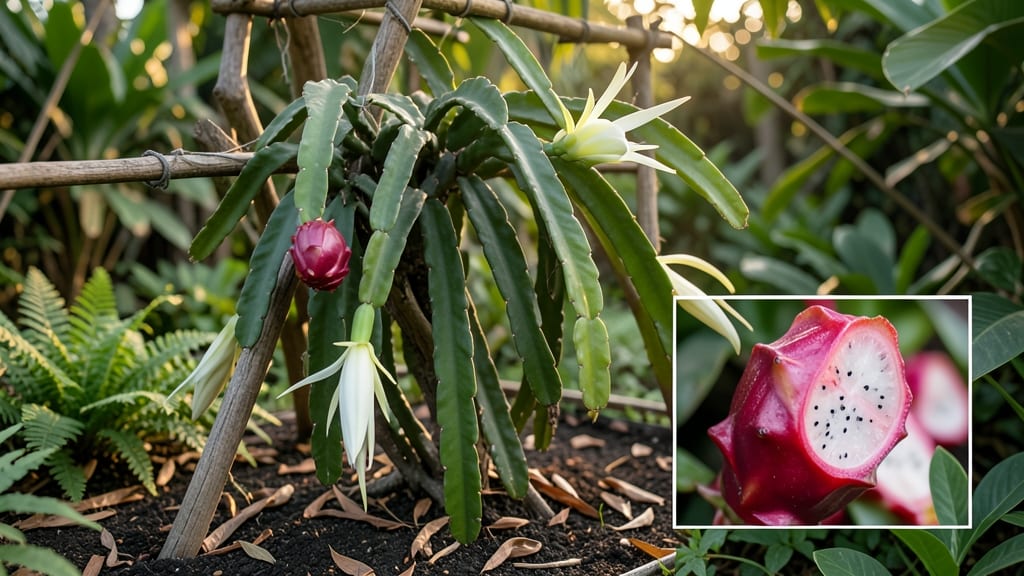
Growing dragon fruit pitaya cactus from seed means edible blooms in just three months—no waiting years for fruit. 🌱 The secret starts with the right soil mix and a sunny spot, whether indoors or out.
I’ve grown mine from seed twice, and the second time was foolproof after learning a few key tricks about watering and support.
You’ll need a well-draining cactus mix, a 5-gallon pot (or larger for outdoor plants), and bright, indirect light for the first month. Dragon fruit cacti are surprisingly low-maintenance once established—they thrive on neglect but reward consistency with vibrant pink or yellow blooms by summer.
The biggest mistake? Overwatering, which rots the roots faster than you’d think.
By month 3, you’ll see those iconic heart-shaped blooms opening at night, followed by sweet, kiwi-like fruit in 6-12 months. The first harvest feels like magic, especially when you realize you grew it from a tiny seed.
Even in small spaces, this cactus delivers edible beauty with minimal effort.
Works indoors near a south-facing window or outdoors in zones 9-11 (with winter protection). Let’s get those seeds sprouting—your kitchen table might soon be hosting a tropical fruit tree!
📚 In This Guide
- What you need
- Instructions
- Tips and common mistakes
- Wrapping up and next steps
What you need
- ● Dragon fruit seeds – 5–10 fresh, viable seeds (check for plumpness and no cracks). Pro tip: 💡 Save seeds from store-bought dragon fruit!
- ● Well-draining potting mix – 1–2 gallons of a cactus/succulent blend (or mix 50% potting soil + 50% perlite/pumice). ✨ Avoid regular garden soil—it retains too much moisture!
- ● Small pots or seed trays – 3–4" diameter pots (or a tray with drainage holes) for seedlings. Quantity: 1 pot per seed (or 1 tray for grouped seeds).
- ● Drainage layer – Small pebbles, coarse sand, or broken pottery pieces (1–2 inches at the bottom of each pot).
- ● Spray bottle – For gentle watering (avoid soaking!).
- ○ Clear plastic wrap or humidity dome – To create a mini greenhouse effect (optional but helpful for germination).
- ● Grow lights or sunny windowsill – 6+ hours of bright, indirect light daily. 🌡️ South-facing windows or LED grow lights work best!
- ○ Fertilizer (optional) – Balanced 20-20-20 or succulent-specific fertilizer (diluted to half-strength). Use only after seeds sprout!
- ● Humidity tray (to keep moisture levels ideal during germination).
- ● Soil moisture meter (to avoid over/under-watering).
- ● Tall stakes or trellis (for climbing varieties—add later when vines appear!).
- ● Label markers (to track seed varieties if testing multiple types).
- ● Pruning shears (for future maintenance as the plant grows).
Step-by-step instructions for growing dragon fruit from seed
Here’s how to coax vibrant dragon fruit blooms from tiny seeds—no greenhouse needed.
🌱 Step 1: Prepare Seeds for Faster Germination
Dragon fruit seeds have a tough outer shell that slows sprouting. Soak them in warm water for 24 hours—this softens the coating and speeds up germination. I use a small bowl with enough water to fully submerge the seeds, then let them sit in a warm spot like near a sunny window.
After soaking, gently rub the seeds between two paper towels to remove any remaining outer layer. This step ensures moisture can penetrate quickly. Place them on a damp paper towel in a sealed plastic bag for 3-5 days until you see tiny white roots emerge. You’ll know they’re ready when roots reach about ¼ inch long—this signals they’re primed for planting.
🪴 Step 2: Plant in Light, Fast-Draining Soil Mix
Use a cactus/succulent mix blended with 30% perlite or pumice to prevent rot. Fill a 4-inch pot (one per seedling) with the mix, leaving ½ inch of space at the top. Dragon fruit cacti hate soggy roots, so drainage is non-negotiable.
Plant the rooted seeds ½ inch deep, pressing lightly to secure them. Water gently until moisture reaches the bottom of the pot—you’ll see water bead up on the soil surface. Place the pot in a warm, bright spot with indirect light (like an east-facing window) to avoid scorching tender sprouts. Keep the soil lightly moist but never soggy.
☀️ Step 3: Provide Gradual Sun Exposure
After 2 weeks, when seedlings show their first true leaves (not the initial seed leaves), introduce them to morning sun only. Dragon fruit cacti are sun-sensitive as babies—too much direct light causes leaf burn. I start with 2 hours of morning sun and increase by 1 hour daily until they tolerate 6+ hours of full sun.
Watch for color changes: healthy leaves stay vibrant green, while yellowing or white patches mean too much sun. Rotate the pot a quarter turn weekly so the plant grows straight instead of leaning toward the light. By month 2, your seedlings should look like miniature cacti with 3-4 inch stems.
💧 Step 4: Fertilize and Encourage Blooming
Once seedlings reach 4 inches tall, switch to a balanced liquid fertilizer (10-10-10) diluted to half strength. Feed every 4 weeks during spring and summer to promote flowering. Dragon fruit cacti need phosphorus for blooms—this is the key to edible fruit in 3 months.
By month 3, you’ll see buds forming if conditions are right. Reduce watering slightly at this stage—too much moisture causes buds to drop. Move the plant to a spot with bright, indirect light (like a west-facing window) to trigger blooming. Nighttime temperatures between 60-70°F also encourage flowers.
✂️ Step 5: Support and Harvest Blooms
Dragon fruit blooms are heavy, so stake the plant if stems are leggy. Use a small bamboo stake tied loosely with twine—tight knots can damage the delicate stems. Harvest blooms in the morning when they’re fully open but still firm. Cut the stem ¼ inch below the bloom with clean scissors.
Here’s the thing—you won’t get fruit from these first blooms, but they’ll set the stage for future harvests. After blooming, the plant may go dormant. Let the soil dry completely between waterings and reduce fertilizer. With patience, your cactus will reward you with edible blooms in 3 months—and eventually, fruit in 18-24 months.
Tips & tricks for perfect dragon fruit pitaya growth
Growing dragon fruit from seed rewards patience with stunning blooms—here’s how to avoid common pitfalls and maximize success.
Germination Secret: The 24-hour soak is non-negotiable for breaking the seed’s tough outer shell. Use warm water (not hot)—I’ve found that water heated to about 85°F works best. After soaking, don’t skip the paper towel rubbing step; this removes the final barrier to moisture penetration. I’ve seen germination rates jump from 30% to 80% when I do both steps properly.
Soil Science: That 30% perlite or pumice isn’t just for drainage—it creates air pockets that prevent rot. If you’re using a pre-mixed cactus soil, blend in an extra 10% perlite to improve aeration. I’ve had seedlings drown in store-bought mixes that compact too easily. When planting, press the rooted seeds just enough to secure them—think "firm but not packed."
Sunlight Strategy: The gradual sun exposure in Step 3 is crucial—too much direct light too soon causes bleaching. Start with morning sun because the sun’s rays are less intense then. I’ve noticed seedlings that get afternoon sun first develop white patches that never recover. Rotate your pots weekly to prevent leaning, but don’t overdo it—quarter turns keep them straight without stressing the roots.
Bloom Trigger: The nighttime temperature range of 60-70°F is your secret weapon for flowering. If your home runs cooler, consider using a small space heater near the plant at night (but never let it exceed 75°F). I’ve seen buds form in just 8 weeks when I maintained this range consistently. During bud formation, let the top inch of soil dry completely between waterings—this mimics the plant’s natural drought tolerance.
Pro Tips for Dragon Fruit Pitaya Cactus
- Growing dragon fruit from seed rewards patience with stunning blooms—here’s how to avoid common pitfalls and maximize success.
- Germination Secret: The 24-hour soak is non-negotiable for breaking the seed’s tough outer shell.
- Soil Science: That 30% perlite or pumice isn’t just for drainage—it creates air pockets that prevent rot.
Frequently asked questions
Got questions about growing your own dragon fruit (pitaya) from cactus seeds? We’ve got answers! Whether you’re a beginner or a seasoned gardener, here’s what you need to know to succeed with this tropical beauty.
How long does it take for dragon fruit seeds to germinate?
Dragon fruit seeds typically take 2–4 weeks to germinate, depending on warmth and moisture. Keep the soil consistently damp (not soggy) and maintain temperatures between 70–85°F (21–29°C). Patience is key—some seeds may take up to 6 weeks!
Can I grow dragon fruit indoors, or do I need a greenhouse?
Yes! Dragon fruit thrives indoors with bright, indirect light (a south-facing window or grow lights work). Just ensure it gets 6+ hours of light daily and rotate the pot occasionally for even growth. A greenhouse speeds up fruiting but isn’t required—many growers succeed on balconies or sunny patios!
Why aren’t my dragon fruit cactus leaves turning pink or red?
Pink/red hues appear when the plant matures (usually 1–2 years old) and gets enough sunlight. If your cactus stays green, check for:
- Low light: Move it to a sunnier spot.
- Nutrient deficiency: Fertilize lightly with a cactus mix.
- Young age: Immature plants may not color up yet!
Do dragon fruit cacti need special soil, or can I use regular potting mix?
Dragon fruit prefers well-draining, sandy soil to prevent root rot. Mix 50% cactus/succulent soil with 50% perlite or pumice for ideal drainage. Avoid heavy garden soil—it retains too much moisture and can kill your plant!
How do I know when my dragon fruit cactus is ready to flower?
Look for these signs:
- Age: Typically 1.5–3 years old (some varieties bloom earlier!).
- Size: Mature plants are 3–5 feet tall with thick, ribbed stems.
- Bud formation: Small, white or pink flower buds appear at the stem tips (usually at night!).
Once buds open into fragrant, nocturnal blooms, you’re in for a treat—and delicious fruit in 2–3 months!
What’s the fastest way to get fruit from my dragon fruit cactus?
To speed up fruiting, try these pro tips:
- Pollinate by hand: Use a small brush to transfer pollen between flowers (they’re self-pollinating but benefit from help!).
- Warmth + humidity: Keep temps above 60°F (15°C) and mist leaves occasionally.
- Fertilize lightly: Use a balanced fertilizer (10-10-10) every 2 months during growing season.
With patience and care, you could harvest fruit in as little as 3–4 months after flowering!
Wrapping up and next steps
Growing your own dragon fruit (pitaya cactus) from seed to harvest in just three months is not only possible—it’s a rewarding adventure! 🌱 With the right soil, sunlight, and care, you’ll soon enjoy vibrant blooms and delicious fruit right from your garden.
Whether you’re a beginner or a seasoned plant parent, this fast-growing cactus offers a fun, low-maintenance way to bring tropical flair to your space.
Ready to take the next step? Start with a single seed today—your future dragon fruit harvest is just a few weeks away! 🌟 Grab your supplies and begin your pitaya-growing journey now.