
Vegetables
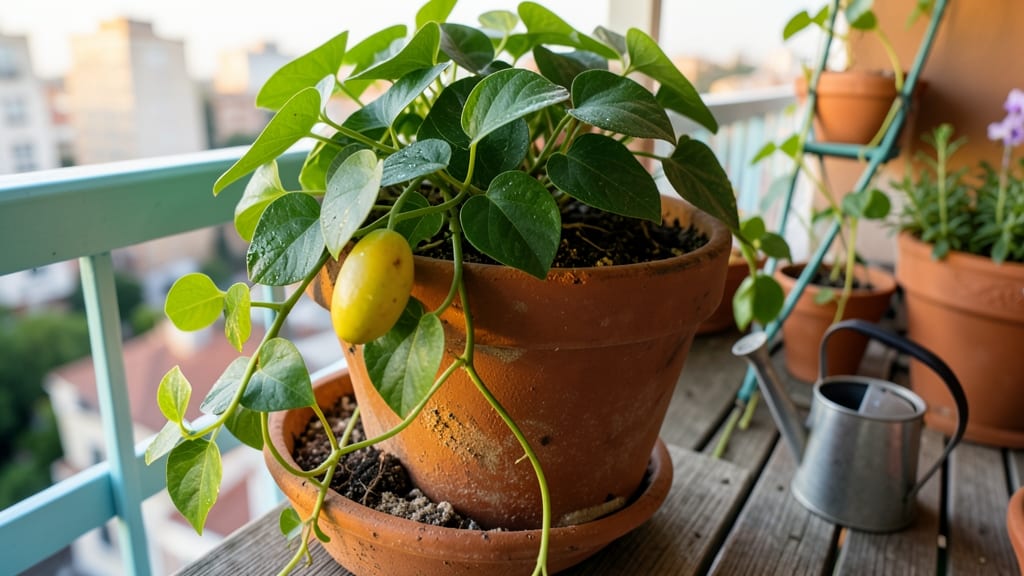
Passion fruit isn’t just one flavor—it’s a vibrant world of tangy, tropical varieties that thrive in gardens worldwide. Discover these 10 rare types, from sweet dessert varieties to hardy climates, perfect for expanding your orchard or elevating recipes.
Purple Passion Fruit (Maracuja)
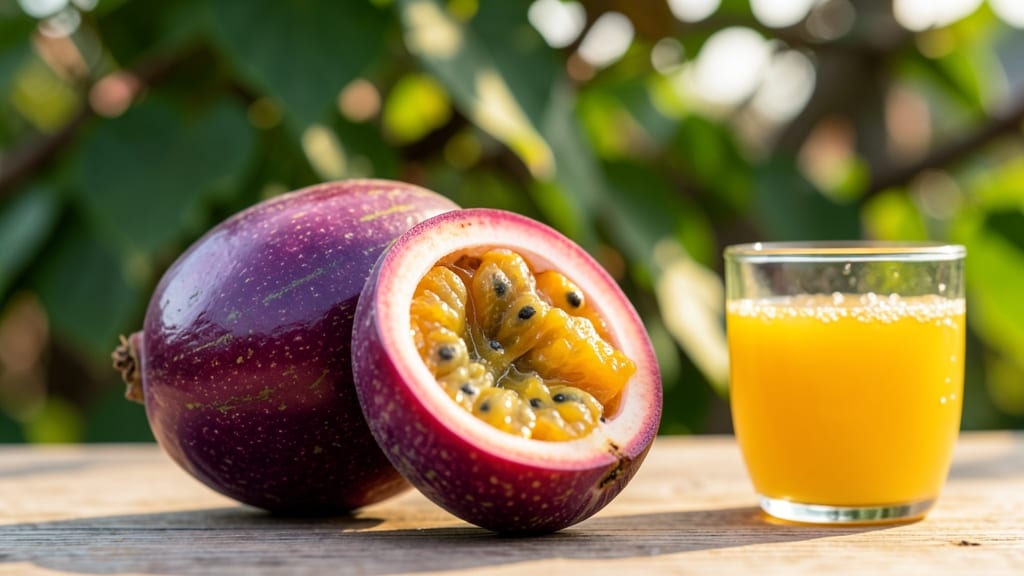
If you love a fruit that balances sweetness with zing, the purple passion fruit (Maracuja) is your go-to variety. This is the most widely grown commercial passion fruit, prized for its high vitamin C content and vibrant yellow-orange pulp that’s perfect for juices, smoothies, and desserts.
Thriving in USDA zones 8-11, this vigorous vine needs full sun (6-8 hours daily) and well-draining soil. Plant in spring after the last frost, and provide a sturdy trellis—vines can grow 15-20 feet! Harvest when the fruit turns deep purple and yields slightly to gentle pressure. For best results, hand-pollinate with a soft brush to boost fruit set.
This variety is ideal for home gardeners in warm climates or containers in cooler zones. With minimal care, you’ll enjoy a year-round harvest of this crowd-pleasing tropical fruit. 🌱
Golden Passion Fruit (Granadilla)
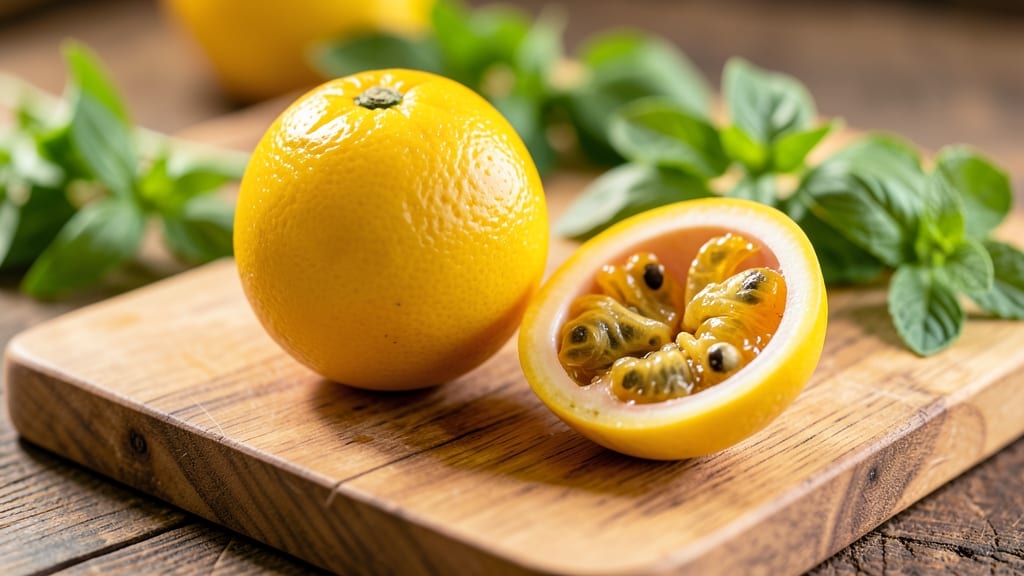
If you crave a passion fruit with zero tartness and a fragrant, honey-like sweetness, the golden passion fruit (granadilla) is your answer. Unlike its purple cousin, this variety boasts golden-yellow skin and a pulp so aromatic it’s perfect for blending into smoothies or tossing into salads—no puckering required.
Thriving in tropical climates with full sun exposure and well-draining soil, this vine produces fruit year-round when given consistent moisture and occasional pruning to encourage airflow. Its thicker skin makes it slightly more resistant to cracking than purple varieties, and the pulp’s delicate, almost floral notes make it a standout for fresh consumption.
Gardeners in warm microclimates or greenhouses will love this variety for its low-maintenance nature and high ornamental value. Just be sure to hand-pollinate the flowers for optimal fruit set—your taste buds (and smoothie bowl) will thank you. 🌻
Banana Passion Fruit (Banana Maracuja)
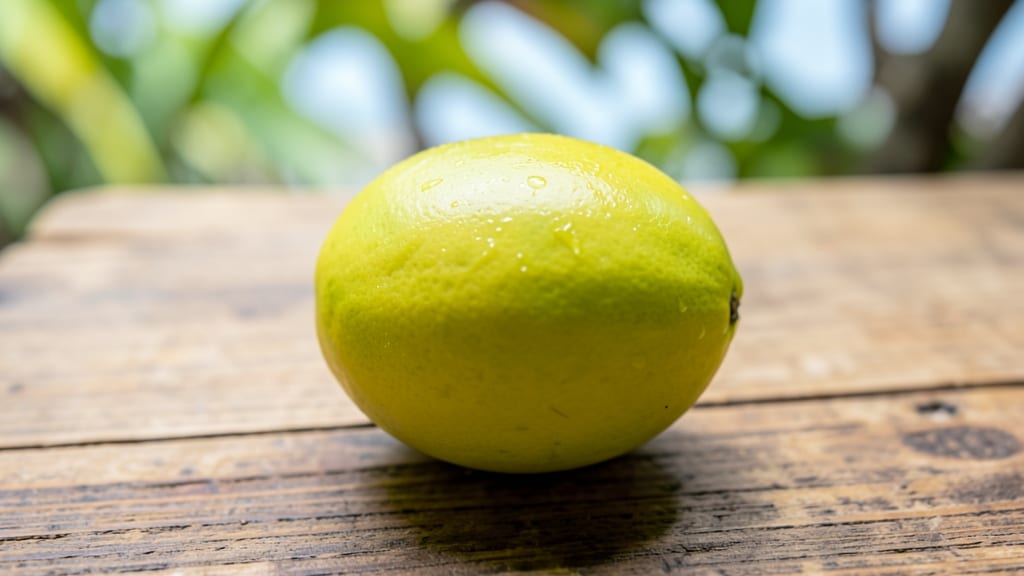
Looking for a passion fruit that tastes like dessert? The banana passion fruit delivers a banana-like sweetness with a tropical twist, making it a standout for fruit enthusiasts craving something different. Its thick, yellow-green skin and small size (about 2-3 inches) set it apart from more common varieties, while its hardy nature thrives in warmer climates with minimal fuss.
This rare variety grows best in USDA zones 10-12, where it flourishes in full sun and well-draining soil. Unlike its more delicate cousins, the thick skin protects it from pests and bruising, making it ideal for both home gardens and commercial orchards. Harvest when the fruit turns a muted yellow-green and yields slightly to gentle pressure—then enjoy fresh, in smoothies, or even fermented for a unique twist on tropical drinks.
Perfect for gardeners in subtropical and tropical regions, the banana passion fruit offers a low-maintenance, high-reward option for those who love experimenting with flavors. Its unique taste profile makes it a conversation starter at any fruit-sharing gathering. 🌻
Black Passion Fruit (Passion Fruit Noir)
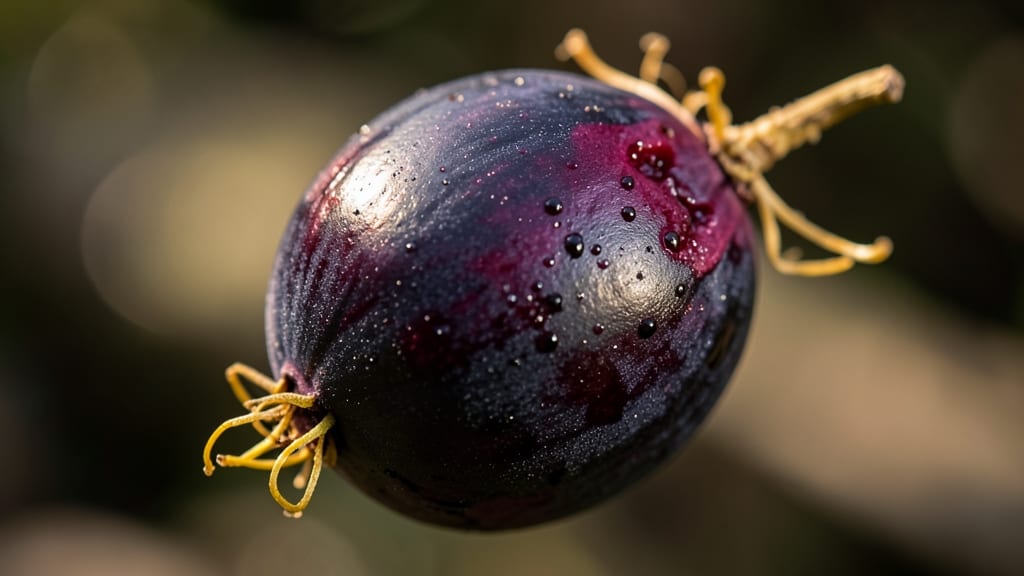
If you're looking for passion fruit that feels like a culinary treasure, Passion Fruit Noir delivers with its dramatic deep purple-black skin and pulp that tastes like a cross between fruit and dessert wine. This heirloom variety isn't just visually stunning—it's a flavor experience that sets it apart from more common varieties.
Grown on vigorous vines that thrive in USDA Zones 9-11, this passion fruit loves full sun (6+ hours daily) and well-draining soil. The fruit ripens later in the season, typically between 180-210 days after planting, so patience pays off with these striking, flavorful rewards. Its thick skin makes it slightly more resistant to bruising than other varieties, ideal for collectors or gardeners who want to showcase unique fruit.
This variety is perfect for gourmet chefs and fruit enthusiasts who want to impress with rare flavors. The wine-like sweetness makes it exceptional for syrups, jams, or even infused cocktails, while its striking appearance elevates any fruit display. 💚
Sweet Granadilla (Passiflora ligularis)
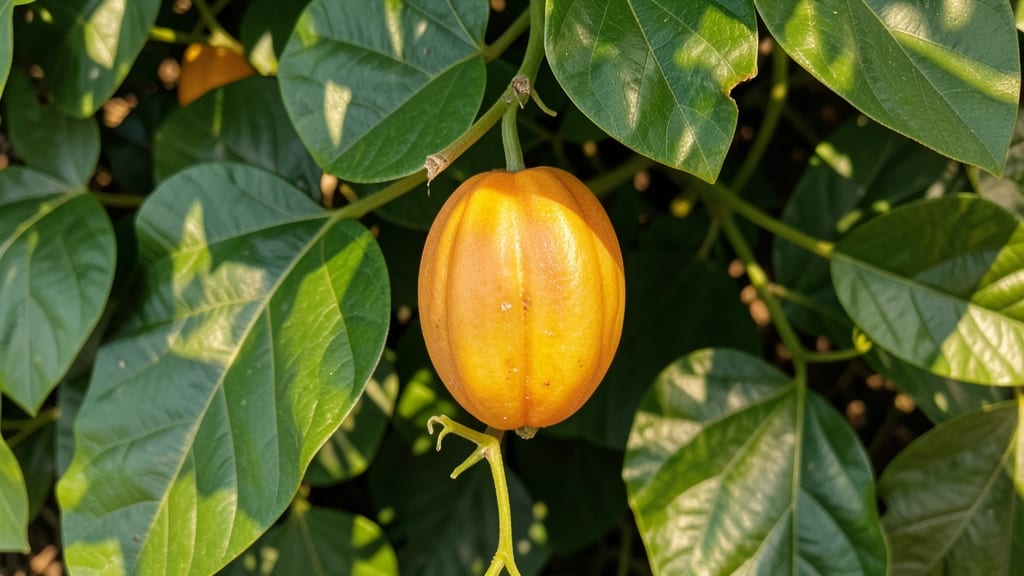
Tired of tart passion fruits? Sweet granadilla (Passiflora ligularis) delivers a milder, honey-like flavor with edible skin and seeds, making it perfect for snacking straight off the vine. Unlike its acidic cousins, this variety thrives in subtropical climates where frost is a rare threat, offering a refreshing alternative for gardeners in zones 9-11.
This vine produces yellow-skinned fruits with a jelly-like interior that’s naturally sweet—no sugar needed. The thick, waxy skin protects the fruit from pests, while the seeds add a subtle crunch. Plant in well-draining soil with morning sun and afternoon shade to prevent overheating. Prune aggressively after harvest to encourage bushier growth and more fruit in the next season.
Perfect for gardeners in warm coastal areas or greenhouses, this variety is a standout for those who want year-round harvests with minimal fuss. 🌱
Giant Granadilla (Passiflora quadrangularis)
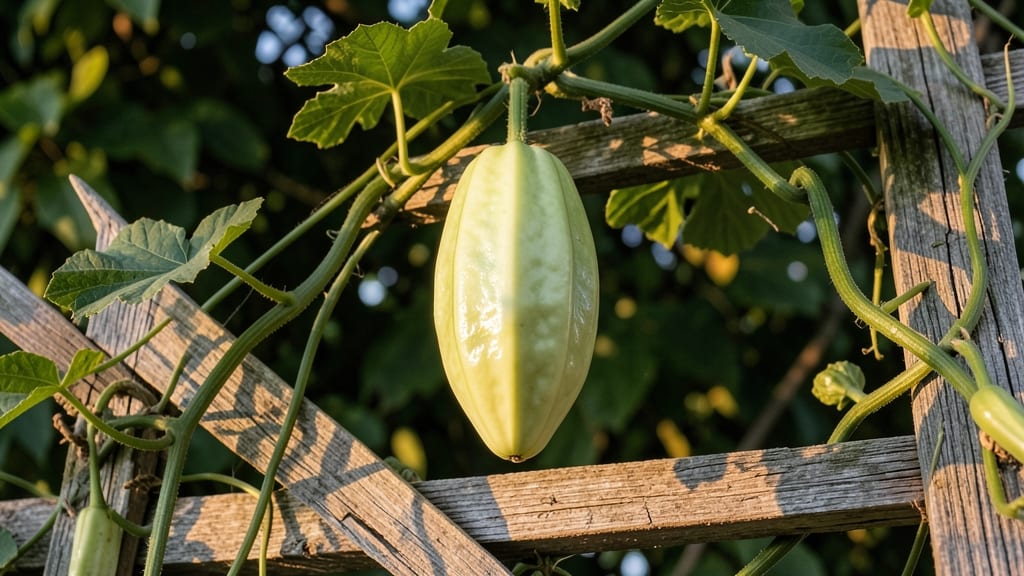
If you’ve ever wanted to grow a passion fruit vine that doubles as a conversation piece, Giant Granadilla (Passiflora quadrangularis) delivers with its foot-long cucumber-like fruits. Unlike its smaller cousins, this vine produces thick, square-stemmed fruits that can weigh up to 2 pounds—ideal for adventurous gardeners in hot, humid climates.
The fruits have a mild, custardy texture with a hint of vanilla, making them perfect for savory dishes like salads or stir-fries. Plant in full sun (6+ hours daily) with well-draining soil, and provide a strong trellis—this vine can grow 20+ feet if unchecked. Harvest when firm but yielding slightly to touch, and expect year-round production in frost-free zones (USDA 10-11).
Perfect for tropical gardeners or those seeking a bold, edible vine with ornamental value, this variety turns your garden into a mini jungle. 🌟
Red Granadilla (Passion Fruit Red)
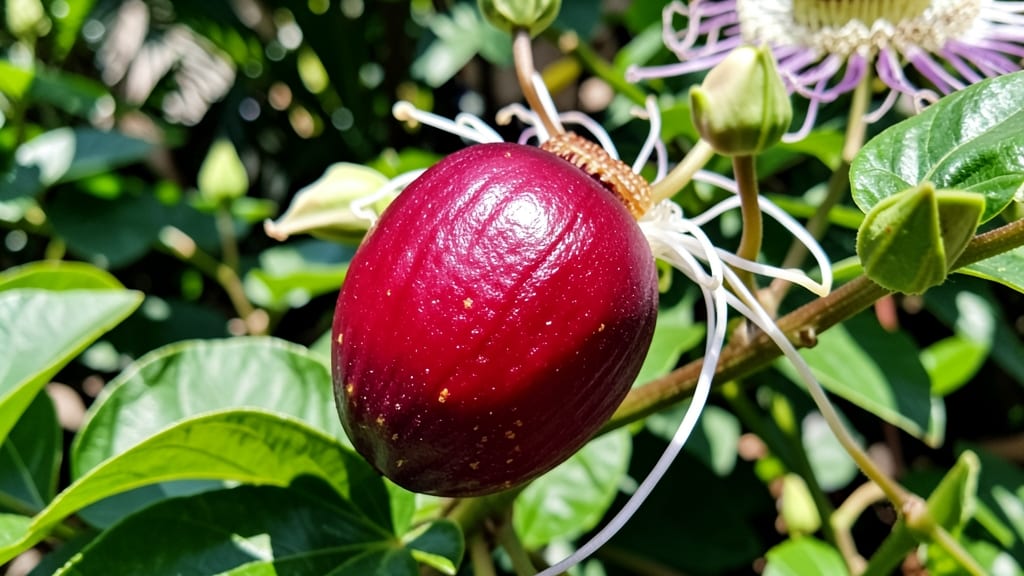
If you love bold colors and tropical drama, the Red Granadilla (Passion Fruit Red) is your garden’s new star. This striking variety boasts vibrant red-skinned fruit that’s as beautiful as it is delicious, making it perfect for both edible and ornamental gardens.
Unlike its purple or golden cousins, this variety thrives in warm microclimates like coastal gardens or sun-drenched patios, producing sweet-tangy pulp with a refreshing twist. The vines are vigorous but manageable, ideal for small-scale harvests or container growing. For best results, plant in well-draining soil with 6-8 hours of sun daily and provide a trellis to support its sprawling growth.
Urban gardeners and small-space enthusiasts will love its versatility—this passion fruit doubles as a living centerpiece while delivering a unique flavor profile. Just be patient; it typically takes 12-18 months to bear fruit but rewards you with a showstopping harvest. 🌻
Passion Fruit Hybrids (Crossbreeds)
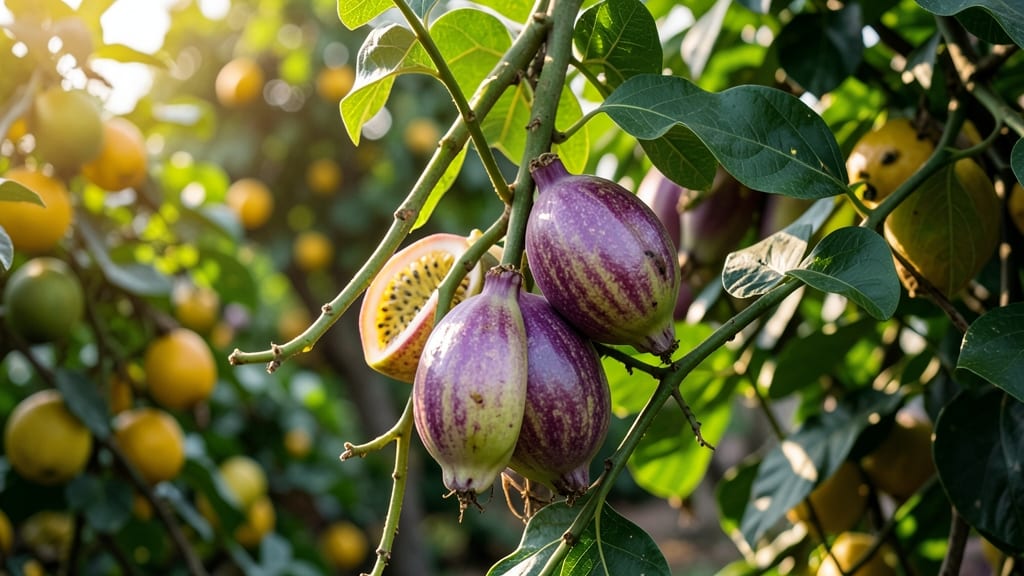
Ready to push the boundaries of your passion fruit garden? Hybrid varieties are the secret weapon for gardeners who love experimenting with bold flavors and resilient plants. These crossbreeds combine the best traits of different species—think larger fruit, disease resistance, or even extended growing seasons—making them ideal for those who want to grow beyond the basics.
Hybrids like Passiflora 'Sweetie' (a cross between edulis and ligularis) offer sweeter pulp with fewer seeds, while others, such as 'Golden Giant', boast thicker skins to resist cracking in humid climates. Many hybrids also produce fruit earlier in the season or continue yielding well into fall, giving you a longer harvest window. To maximize success, choose hybrids suited to your climate and provide strong trellises—their vigorous growth often outpaces traditional varieties.
Perfect for innovative gardeners or those with limited space, hybrids let you grow unique flavors without sacrificing hardiness. Try one this season and taste the difference! 🌟
Passion Fruit for Cold Climates (Hardy Varieties)
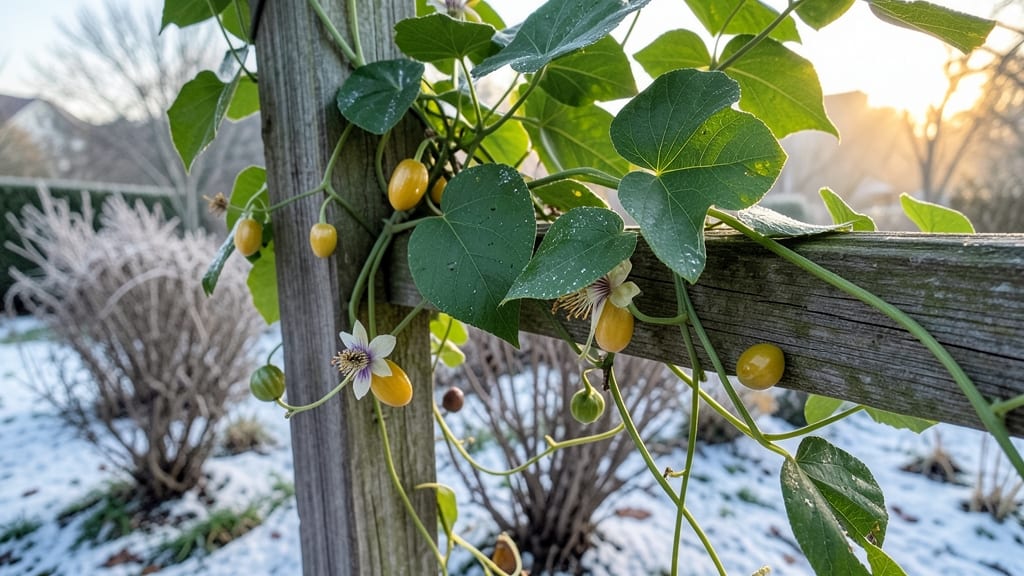
Cold climates don’t have to mean giving up on passion fruit! Varieties like Passiflora edulis 'Little Giant' are bred to thrive in USDA Zones 7-10, surviving light frosts and extending your growing season. These hardy vines produce fruit even in temperate regions, making them ideal for gardeners in areas where traditional passion fruit struggles.
To maximize success, plant in well-draining soil with full sun exposure and use a trellis to support the vigorous growth. Mulch heavily in winter to protect roots, and consider overwintering potted plants in a garage or greenhouse if frost is a concern. The fruit may be slightly smaller but retains the classic sweet-tart flavor.
Perfect for gardeners in northern states or coastal regions, these cold-tolerant varieties let you enjoy passion fruit without the tropical climate. 🌱
Passion Fruit
for Containers (Dwarf Varieties)
No yard? No problem! Dwarf Granadilla and other compact passion fruit varieties bring the tropics to your balcony or patio in just 5-gallon containers. These vines stay under 6 feet tall, making them ideal for urban gardeners who want flavor without the space.
Plant in well-draining soil with morning sun and afternoon shade to prevent leaf scorch. Use a trellis or cage to guide growth vertically, and fertilize monthly with a balanced formula. With consistent care, you’ll enjoy year-round harvests—even in small pots!
Perfect for beginners or city dwellers, these varieties prove you don’t need a sprawling garden for tropical treats. 🌱