
Vegetables
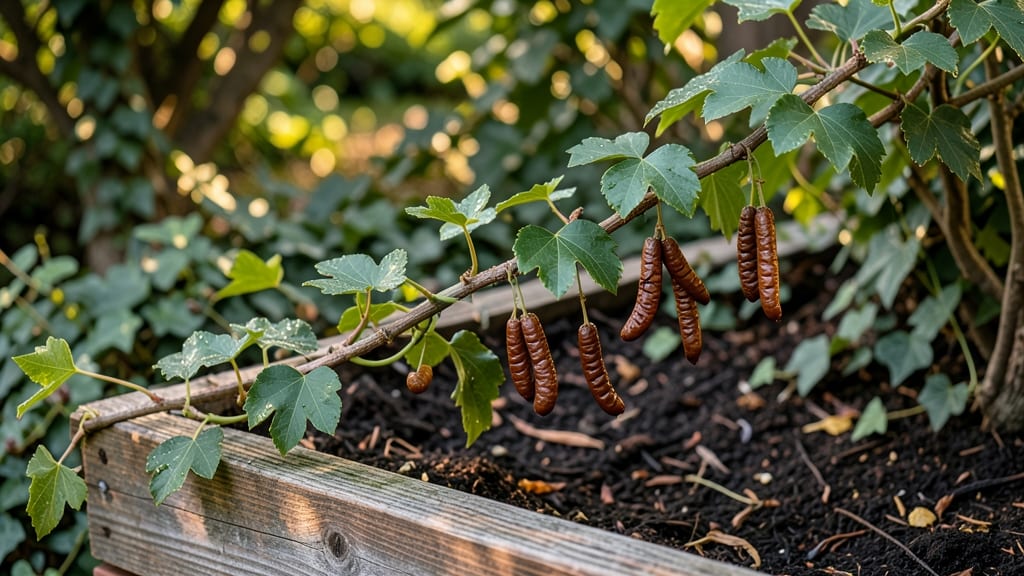
Growing akebia vine fruit means turning your trellis into a chocolate-scented, edible treasure. 🌱 This hardy climber thrives in zones 4-9, producing tart berries perfect for jams or preserves—if you can beat the birds to them.
The secret lies in patience: it takes 3-5 years before fruiting, but once established, it’s nearly indestructible.
Start with seeds or bare-root plants in early spring, giving them a sturdy trellis or fence to climb. Well-draining soil and morning sun keep it happy, though it tolerates partial shade.
Mulch helps retain moisture, and regular pruning keeps the vine manageable while encouraging fruit production. (Yes, it will sprawl if left unchecked.)
By summer, you’ll see glossy leaves and delicate flowers—then the real reward: clusters of dark purple berries. Each fruit is small but packed with flavor, though they’re best used in cooking rather than eaten fresh. The vine’s resilience makes it a low-maintenance star for adventurous gardeners.
Watch for pests like aphids or powdery mildew, but akebia rarely needs intervention. If growth stalls, check for root-bound pots or insufficient support. With the right care, your vine will reward you for years—maybe even becoming the talk of the neighborhood. Ready to grow one?
📚 In This Guide
- What you need
- Instructions
- Tips and common mistakes
- Wrapping up and next steps
What you need
- ● Akebia vine seeds (or cuttings from a mature vine for faster results): Quantity: 5–10 seeds (or 2–3 cuttings per plant)
- ● Source: Reputable nursery or online seed supplier (ensure they’re akebia quinata or akebia trifoliata)
- ● Growing containers or garden bed: Containers: 5–10 gallon pots with drainage holes (if growing indoors or in small spaces)
- ● Garden bed: Well-draining soil in a sunny to partially shaded spot (USDA Zones 5–9)
- ● High-quality potting mix or garden soil: Well-aerated, slightly acidic to neutral pH (6.0–7.0)
- ○ Optional: Amend with compost or coconut coir for moisture retention
- ● Mulch (straw, wood chips, or pine needles) to retain moisture and suppress weeds
- ● Support structure: Trellis, fence, or sturdy stakes (akebia vines can grow 20–30 feet—give them room!)
- ● Basic gardening tools: Trowel, pruners (sterilized), and gloves
- ● Watering can or hose with a gentle spray nozzle
- ● Slow-release fertilizer (balanced 10-10-10 or organic options like fish emulsion)
- ● Grow lights (if starting seeds indoors before last frost)
- ● Soil moisture meter (to monitor watering needs)
- ● Fungicide (copper-based or neem oil spray to prevent powdery mildew)
- ● Cold frame or greenhouse (for extending the growing season in cooler climates)
Step-by-step instructions for growing akebia vine fruit
Here's how to cultivate this exotic vine from seed to lush, fruit-bearing maturity—even in cooler climates.
🌱 Step 1: Start Seeds Indoors in Early Spring
Sow akebia seeds in 3-4 inch pots filled with a mix of 50% peat moss and 50% perlite. These seeds need stratification to break dormancy, so place them in a sealed plastic bag with a damp paper towel and refrigerate for 6-8 weeks. I like to mark the bag with the date so I don’t forget.
After cold treatment, plant seeds ½ inch deep in the prepared mix. Keep the soil consistently moist but never soggy—akebia seeds rot easily if overwatered. Place pots in a warm spot (65-70°F) under a grow light or in a sunny window. Germination takes 4-8 weeks, so patience is key.
☀️ Step 2: Transplant Seedlings to Outdoor Location
Once seedlings develop 3-4 true leaves (usually in late spring), harden them off by moving them outdoors for 2-3 hours daily over 10 days. Choose a permanent spot with full sun to partial shade—akebia tolerates cooler climates but thrives best where summers are warm.
Dig a hole twice as wide as the root ball but only as deep as the container. Amend the soil with compost to improve drainage, as akebia hates soggy roots. Space plants 6-8 feet apart to allow for vigorous growth—this vine can sprawl aggressively if unchecked.
🌿 Step 3: Provide Support and Prune for Fruit Production
Install a trellis, arbor, or sturdy fence at planting time—akebia needs vertical support to climb. Train young vines with soft ties or twine to guide them upward. Prune in early spring to remove weak stems and encourage strong growth toward the trellis.
After the first year, focus on shaping the vine to maximize sunlight exposure. Remove suckers growing below the main trunk, as these divert energy from fruit production. In late winter, prune back 1/3 of the previous year’s growth to stimulate new, fruiting branches.
💧 Step 4: Water and Fertilize for Optimal Growth
Water deeply once a week during the first growing season, allowing the top 2 inches of soil to dry between waterings. Once established, akebia is drought-tolerant but produces better fruit with consistent moisture. Mulch around the base with 2-3 inches of organic mulch to retain soil moisture and suppress weeds.
Fertilize in early spring with a balanced 10-10-10 fertilizer applied at ½ the recommended rate. Avoid high-nitrogen fertilizers, which promote leafy growth at the expense of fruit. Repeat fertilization in midsummer if growth slows, but reduce amounts to prevent overstimulation.
⏰ Step 5: Harvest and Prepare for Winter
Fruit appears in 3-5 years and ripens in late summer to early fall. Harvest when the pods turn from green to deep purple or black and feel slightly soft to the touch. Cut stems with pruners, leaving 1 inch of stem attached to preserve the fruit.
After harvest, clean up fallen leaves and debris to prevent fungal diseases. In colder climates (Zone 6 and below), protect young vines with 4-6 inches of mulch around the base. Mature vines are hardy to -10°F, but new growth may need winter protection in harsh winters.
Tips & tricks for growing akebia vine fruit successfully
Real talk: Growing akebia vine fruit from seed to harvest takes patience and attention to detail—but these tricks will help you avoid common pitfalls and maximize your success.
Stratification Secret: Don't skip the 6-8 week cold treatment! I learned this the hard way after trying to grow akebia without stratification—zero germination. Use a clear plastic bag so you can check moisture levels without opening it, and mark the bag with the date. The key is keeping that damp paper towel consistently moist but not dripping wet.
Germination Conditions: Those 4-8 weeks of germination can feel like forever, but consistency is everything. Place your pots under a grow light if natural light is insufficient—akebia seedlings need at least 12 hours of light daily. I keep mine in a sunny south-facing window, but supplement with a simple LED grow light for insurance. Watch for the first tiny leaves to appear, which means your seeds have finally broken dormancy.
Hardening Off: The 2-3 hour daily hardening process in Step 2 is crucial for transplant success. Start with just 1 hour on day one, then gradually increase by 30 minutes each day. Watch your seedlings carefully—they should look slightly wilted but perk up within a few hours when brought back indoors. This toughens them up for their permanent outdoor home.
Winter Protection: For Zone 6 growers and below, that 4-6 inch mulch layer around young vines is non-negotiable. I've seen akebia vines survive -10°F just fine, but new growth can get damaged in harsh winters. Add an extra layer of straw mulch after the first hard frost for added protection. In extremely cold climates, consider wrapping the base with burlap for extra insulation.
Pro Tips for Akebia Vine Fruit
- Real talk: Growing akebia vine fruit from seed to harvest takes patience and attention to detail—but these tricks will help you avoid common pitfalls and maximize your success.
- Stratification Secret: Don't skip the 6-8 week cold treatment!
- Germination Conditions: Those 4-8 weeks of germination can feel like forever, but consistency is everything.
Frequently asked questions
Got questions about growing and enjoying akebia vine fruit? You’re not alone! Here are answers to the most common queries—from planting to harvesting and beyond.
Can akebia vine fruit grow in cold climates like Zone 5 or 6?
Akebia vines are hardy and can thrive in Zones 5–9, but they need protection in winter. Mulch heavily around the base and cover young vines with burlap or straw. Established vines often resprout from the roots even after frost damage. Pro tip: Plant near a south-facing wall to maximize winter sun exposure.
How long does it take for akebia vine fruit to produce fruit after planting?
Patience is key! Akebia vines typically take 3–5 years to mature and bear fruit from seed. If you’re using cuttings or rooted plants, fruiting can happen in 1–2 years. Female vines (needed for fruit) must be pollinated by male vines—ensure both are planted nearby for success. Fun fact: The first fruits may be small, but yields improve with age!
Are akebia vine fruits edible raw, or do they need cooking?
Yes, they’re edible raw but are often better cooked! Raw fruits have a tart, citrusy flavor with a slightly crunchy texture. Cooking (e.g., jams, sauces, or stir-fries) mellows their acidity. Caution: Unripe fruits can be bitter—wait until they’re deep purple/black and slightly soft to the touch.
Why aren’t my akebia vines producing fruit, even though they’re healthy?
Lack of fruit often means missing pollinators or gender mismatch. Akebia is dioecious—male and female flowers grow on separate vines. Plant at least one male vine per 3–4 female vines to ensure pollination. If bees aren’t visiting, hand-pollinate with a soft brush. Check for: Pests (like aphids) or poor soil nutrition (add compost or a balanced fertilizer in early spring).
What’s the best alternative if akebia vine fruit is hard to grow in my area?
If your climate or space is challenging, try these similar-tasting or easy-to-grow alternatives:
- Passionfruit (Passiflora) – Tropical but can grow in containers in cooler zones.
- Kiwi (Actinidia) – Hardy, fast-growing, and produces edible fruit.
- Hardy kiwano (Cucumis metuliferus) – Cold-tolerant and fun to grow!
- Grapes (Vitis) – Perennial, productive, and versatile in cooking.
Each offers unique flavors but shares the vine-grown, fruity reward of akebia!
Wrapping up and next steps
Growing akebia vine fruit is a rewarding adventure that blends patience with the joy of nurturing an exotic plant!
With the right climate, soil, and care, you’ll soon be harvesting vibrant, sweet-tart fruits straight from your garden. 🌱 Whether you’re a seasoned gardener or a curious beginner, every seed planted today could lead to a bountiful harvest tomorrow—so why not take that first step?
Ready to dive in? Start by selecting your seeds, prepping your space, and watching your vine thrive! Grab your gardening tools, and let’s grow something extraordinary together. 🌟