
Fertilization
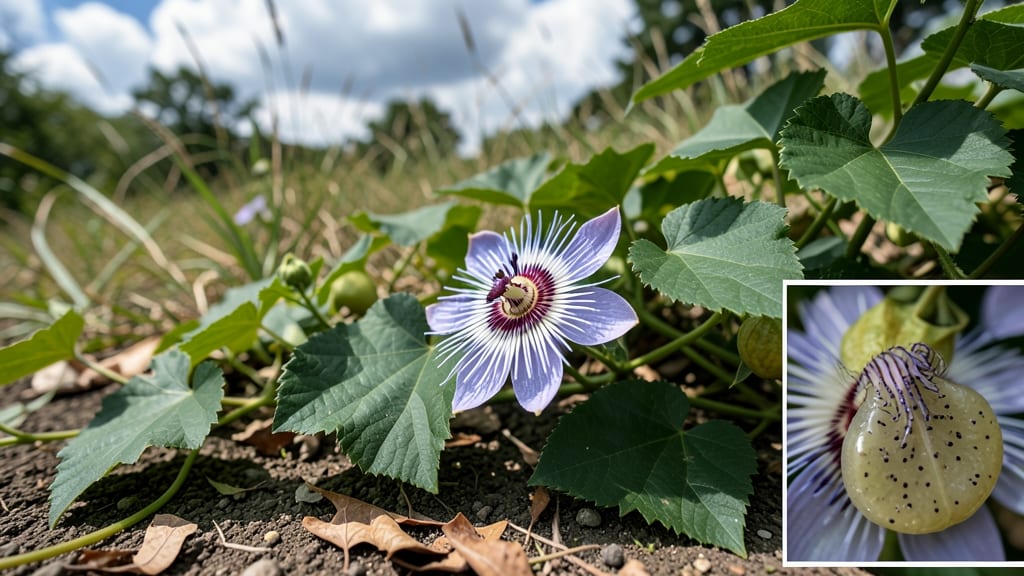
Growing Passiflora incarnata—the maypop vine—means harvesting edible fruit and supporting pollinators all in one striking, native plant. 🌿 This hardy perennial thrives in warm climates and rewards gardeners with fragrant flowers and sweet, tangy fruit that tastes like a mix of banana and pineapple.
The key is mimicking its natural habitat: rich soil, full sun, and patience while it establishes. The vine’s deep roots make it drought-tolerant once established, but young plants need consistent moisture. A well-draining soil mix with compost ensures strong growth, while regular pruning keeps it manageable—especially in small spaces.
The first year focuses on root development, but by year two, you’ll see those iconic purple flowers and, eventually, the fruit that inspired its name (the "maypop" sound when ripe fruit is stepped on).
Once mature, maypop vines produce 2-3 pounds of fruit per plant annually, perfect for jams, teas, or fresh eating. The leaves also have medicinal uses, traditionally employed for calming nerves and easing sleep.
Just be prepared for the vine’s aggressive growth—it can spread 10-15 feet in a single season if unchecked. For best results, plant in early spring after the last frost or in fall for a head start.
Pair it with trellises or fences, and watch as it transforms your garden into a pollinator paradise. The payoff? A vine that’s as useful as it is beautiful.
📚 In This Guide
- What you need
- Instructions
- Tips and common mistakes
- Wrapping up and next steps
What you need
- ● Maypop seeds (10–20 seeds) – Fresh or stored in a cool, dry place (viability drops after 1–2 years).
- ● OR Maypop cuttings (3–5 hardwood cuttings, 6–12 inches long) – Taken in late fall/winter for best rooting success.
- ● Well-draining soil mix (50% native soil + 50% compost or coconut coir) – Maypops hate soggy roots!
- ● 5-gallon pots or nursery containers (2–4) – For seedling germination or rooting cuttings.
- ● Garden trowel or transplanting spade – For digging holes (12–18 inches deep) and transplanting.
- ● Organic fertilizer (balanced 5-5-5 or compost tea) – 1–2 tbsp per plant at planting and mid-season.
- ● Mulch (straw, pine needles, or wood chips) – 2–3 inches thick to retain moisture and suppress weeds.
- ● Trellis or sturdy fence (6–10 feet tall) – Maypops are vigorous climbers and need support!
- ● Drip irrigation or soaker hose – Consistent moisture is key, especially during flowering/fruiting.
- ● Pruning shears – For shaping and controlling vine growth in early spring.
- ● Seed-starting kit (heat mat + grow lights) – For faster germination (seeds may take 30–90 days!).
- ● Rooting hormone (powder or gel) – Boosts success rate for cuttings by ~30%.
- ● Epsom salt (magnesium sulfate) – 1 tbsp per gallon of water for foliar spray (promotes flowering).
- ● Bird netting – Protects fruit from hungry birds (Maypops are a favorite! 🐦).
- ● Soil pH test kit – Ideal range: 6.0–7.0 (adjust with lime or sulfur if needed).
Step-by-step instructions for cultivating Passiflora incarnata
Growing maypop requires patience and the right conditions—here's how to nurture this striking native vine from start to fruit.
🌱 Step 1: Select and Prepare the Planting Site
Choose a location with full sun to partial shade—maypop thrives in 6-8 hours of direct sunlight daily but tolerates afternoon shade in hot climates. The vine needs space to sprawl, so allocate at least 10 feet of horizontal room or provide a sturdy trellis for vertical growth. I always test the soil first because maypop prefers well-draining, slightly acidic soil with a pH between 6.0 and 7.0.
If your soil is heavy clay or compacted, amend it with 2-3 inches of compost mixed into the top 12 inches of soil. You'll know the site is ready when the soil crumbles easily between your fingers and holds moisture without becoming soggy. Avoid low-lying areas where water pools—maypop roots rot quickly in saturated conditions.
☀️ Step 2: Plant at the Right Time and Depth
Plant maypop in early spring after the last frost date when soil temperatures reach 60°F. Dig a hole twice as wide as the root ball but only slightly deeper—maypop roots are shallow and sensitive to burial. Gently tease out any circling roots before placing the plant in the hole to encourage outward growth.
Backfill with native soil mixed with a handful of compost, then water deeply to settle everything. The key here is to avoid disturbing the roots further—maypop establishes slowly and can take 2-3 years to produce its first fruit. Mulch around the base with 2-3 inches of organic mulch to retain moisture and suppress weeds, but keep the mulch 6 inches away from the stem to prevent rot.
💧 Step 3: Water and Fertilize for Healthy Growth
Water newly planted maypop 1-2 times per week for the first month, keeping the soil consistently moist but not waterlogged. You'll see new growth within 4-6 weeks—this is your signal that the plant is rooting successfully. Once established, maypop is remarkably drought-tolerant, so reduce watering to every 2-3 weeks during dry spells, focusing on deep watering that encourages root growth.
Fertilize lightly in early spring with a balanced, slow-release fertilizer (10-10-10) applied at half-strength. Maypop doesn't need heavy feeding—too much nitrogen produces lush foliage at the expense of flowers and fruit. I always avoid fertilizing after mid-summer to encourage dormancy preparation. Watch for yellowing leaves, which signal over-fertilization or poor drainage.
✂️ Step 4: Prune and Support for Fruit Production
Prune maypop in late winter or early spring before new growth begins. Remove any dead, diseased, or crossing branches to improve airflow and sunlight penetration. I also cut back any leggy growth that exceeds the trellis or designated growing space—this redirects energy toward flowering and fruiting. Maypop vines can grow aggressively, so regular pruning keeps them manageable and prevents them from smothering nearby plants.
Install a sturdy trellis or fence for vertical support if growing in a confined space. The vine's tendrils naturally cling to structures, but providing support prevents the plant from sprawling uncontrollably. You'll notice the first flowers appear in 2-3 years, typically in late spring to early summer. These intricate, lavender blooms are followed by the distinctive maypop fruit, which ripens in late summer to fall.
🍈 Step 5: Harvest and Prepare for Dormancy
Harvest maypop fruit when it turns from green to a deep purple-black color and yields slightly to gentle pressure. The fruit is ripe and ready to eat—its sweet-tart flavor is best enjoyed fresh, though it can also be used in jams, teas, or medicinal preparations. I always wear gloves when handling the fruit, as the vine's sap can irritate skin. Harvest in the morning after the dew has dried to preserve flavor and texture.
In fall, as temperatures drop below 50°F, maypop begins its dormancy cycle. Reduce watering significantly and remove any remaining fruit or seed pods. Cut back the vine by one-third to encourage new growth in spring. Maypop is hardy in USDA zones 5-9, but in colder climates, mulch heavily around the base to protect roots from freezing temperatures.
Tips & tricks for perfect maypop cultivation
These time-tested strategies will help you coax the most from your Passiflora incarnata vine—from vibrant blooms to bountiful fruit.
Sunlight Optimization: While maypop thrives in 6-8 hours of direct sunlight, I've found that positioning it slightly east of full sun in hot climates prevents leaf scorch while still delivering enough energy for fruit production. If using afternoon shade, ensure the morning sun reaches the plant—this is when photosynthesis is most efficient. Monitor leaf color: pale yellow-green indicates insufficient light, while crispy edges signal too much direct heat.
Soil Prep Secret: The 2-3 inches of compost mixed into the top 12 inches of soil isn't just about nutrients—it's about creating the perfect crumbly texture. I always add a handful of perlite to improve drainage, especially in clay-heavy soils. Test your amended soil by squeezing a handful: it should hold its shape when pressed but break apart easily. This texture prevents both waterlogging and compaction, both of which stress maypop's delicate roots.
Watering Wisdom: Those critical first 4-6 weeks after planting are when most growers fail—either drowning the roots or letting them dry out. I use the "finger test" method: stick your finger 2 inches into the soil. If it's dry at that depth, it's time to water. For established plants, deep watering every 2-3 weeks encourages roots to grow downward where moisture persists, making the vine more resilient during drought periods. Always water at the base to prevent fungal issues on the foliage.
Pruning Strategy: When pruning in late winter, I follow the "thirds rule": cut back one-third of the previous year's growth to maintain vigor while encouraging new flowering shoots. Focus on removing any branches that cross or rub against each other—this prevents abrasions that can invite disease. The key is to prune just before new growth begins, as the plant will redirect its energy toward producing flowers rather than repairing damaged tissue.
Pro Tips for Passiflora Incarnata Maypop Fruit
- These time-tested strategies will help you coax the most from your Passiflora incarnata vine—from vibrant blooms to bountiful fruit.
- If using afternoon shade, ensure the morning sun reaches the plant—this is when photosynthesis is most efficient.
- Soil Prep Secret: The 2-3 inches of compost mixed into the top 12 inches of soil isn't just about nutrients—it's about creating the perfect crumbly texture.
Frequently asked questions
Got questions about growing and enjoying Passiflora incarnata (maypop)? Here are some of the most common ones—plus quick, practical answers to help you succeed with this fascinating native vine!
When is the best time to harvest maypop fruit?
The fruit is ready to harvest in late summer to early fall (August–October, depending on your climate). Look for a deep purple or maroon hue and a slight softness when gently squeezed. Avoid harvesting if the fruit feels rock-hard or overly mushy—this indicates under- or overripeness. Pro tip: Harvest in the morning for the best flavor!
How do I know if my maypop vine is healthy?
A healthy Passiflora incarnata vine shows vibrant green leaves, thick, woody stems, and plenty of tendrils for climbing. Watch for yellowing leaves (often a sign of overwatering or nutrient deficiency) or black spots (fungal issues). If your vine isn’t flowering, it may need more sunlight or fertilizer. Prune dead growth in early spring to encourage new, robust foliage.
Can I grow maypop in containers? What size pot should I use?
Yes! Maypop thrives in large containers (at least 15–20 gallons) with well-draining soil and plenty of space for roots to spread. Use a trellis or sturdy support to guide the vine upward. Key tip: Repot every 2–3 years to refresh soil nutrients. Just ensure your container has drainage holes to prevent root rot.
What can I do if my maypop isn’t flowering?
If your vine isn’t producing flowers (or fruit), check these fixes:
- Sunlight: Maypop needs 6+ hours of direct sun daily—move it to a sunnier spot if needed.
- Fertilizer: Use a balanced, low-nitrogen fertilizer (like 5-5-5) in spring to encourage blooms.
- Pruning: Trim back overly leggy growth in early spring to redirect energy to flowering.
- Age: Young vines (under 2 years) may not flower—be patient!
Are there edible alternatives if maypop fruit isn’t ripe?
While maypop is best when fully ripe, you can still enjoy other parts of the plant:
- Flowers: Edible and delicate-tasting—use them in salads or as garnishes.
- Leaves: Young, tender leaves can be cooked like spinach (boil to remove bitterness).
- Roots: Traditionally used in herbal teas for calming effects (harvest in fall).
Wrapping up and next steps
Growing Passiflora incarnata—the maypop vine—is a rewarding journey that blends beauty, utility, and sustainability. Whether you’re drawn to its edible fruit, medicinal benefits, or striking foliage, this native perennial offers endless possibilities for your garden or homestead.
With the right care and patience, you’ll soon enjoy its unique charm and harvests.
Ready to dive in? Start by preparing your site, gathering supplies, and planting your first slips. Before you know it, you’ll be savoring homegrown maypops or sharing their wonders with others! 🌱✨